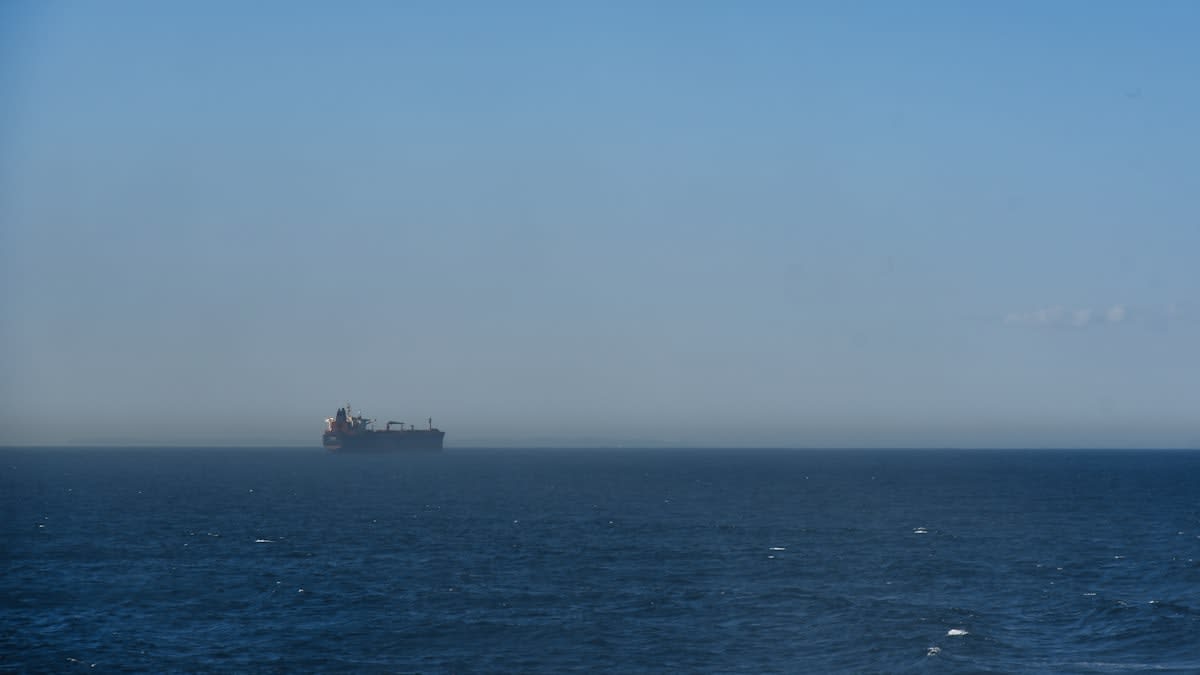
The global shipping map is lying to us. While official registries show a controlled growth of tonnage, a parallel universe of 'ghost ships' has materialized in the deep waters of the Atlantic and Pacific. These vessels, often decades old and owned by a labyrinth of shell companies in jurisdictions like the Marshall Islands or Liberia, operate entirely outside the traditional maritime ecosystem. They do not use standard insurance, they ignore traditional routing, and they frequently disable their Automatic Identification Systems (AIS) to vanish from digital screens. This isn't a temporary glitch in the system; it is the birth of a two-tier global trade economy.
Twelve months ago, the shadow fleet was viewed as a niche workaround for sanctioned entities—a few hundred rogue tankers skirting the edges of legality. Today, the scale has shifted from a tactical loophole to a systemic pillar of global energy movement. We are seeing a professionalization of this 'dark' trade. What began as opportunistic smuggling has evolved into an organized network of ship-to-ship transfers and opaque financing. The delta is staggering: the volume of oil moving via these non-compliant vessels has surged, effectively decoupling a significant portion of global supply from the regulated market.
The Mechanics of Hidden Overcapacity
How does a ship become a ghost? The process is a masterclass in corporate obfuscation. Older tankers, which would typically be sent to the scrapyards of Alang or Gadani, are instead purchased by newly formed entities with no track record. These vessels are then stripped of their legitimate Protection and Indemnity (P&I) insurance and replaced with dubious, self-funded guarantees or low-tier coverage that would collapse under the weight of a major spill. By keeping these aging hulls active, the industry has artificially inflated the global supply of tankers, creating a hidden overcapacity that official data fails to capture.
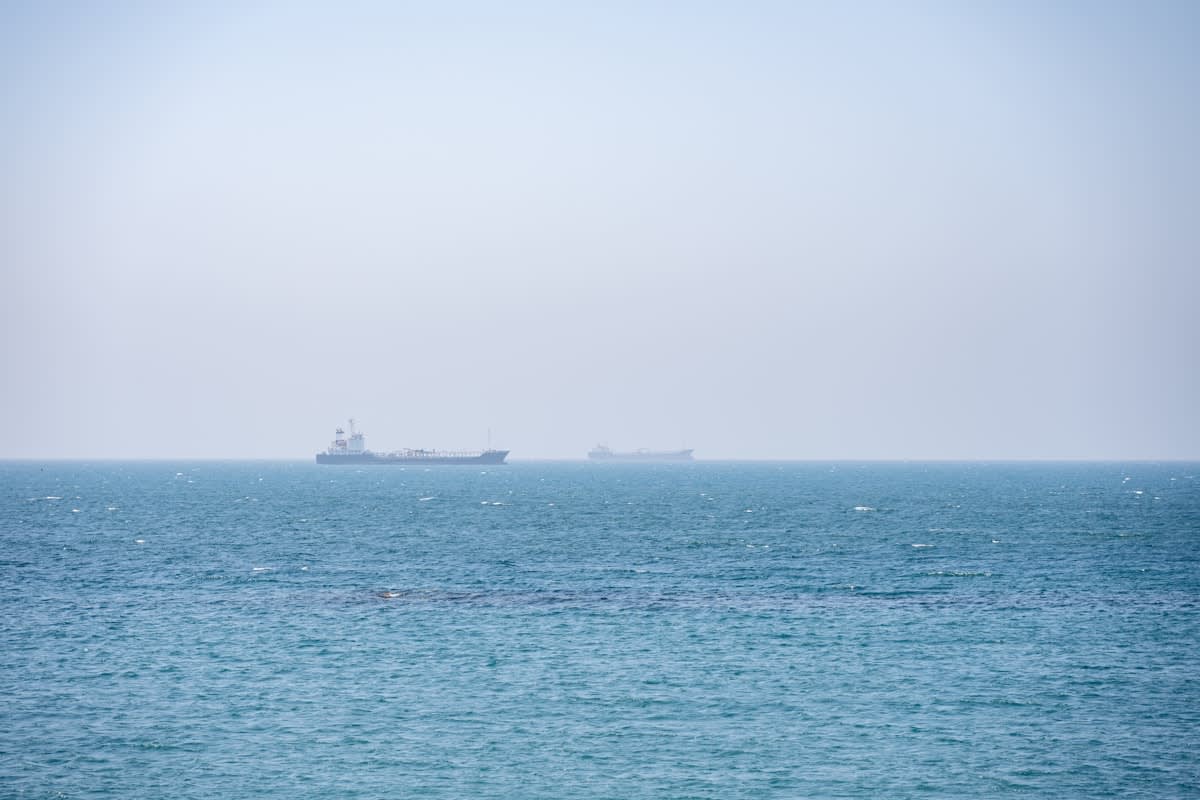
This surplus creates a distorted economic reality. In the 'light' market, ship owners invest in eco-friendly, fuel-efficient vessels to meet IMO 2030 goals. Meanwhile, the 'dark' market thrives on the cheapest possible capital: old steel and low wages. When these two worlds collide at the port, the result is a downward pressure on freight rates for everyone. Why pay a premium for a modern, compliant vessel when a shadow tanker can move the same cargo for a fraction of the cost, provided the buyer is willing to ignore the provenance of the oil?
The Economic Paradox
The shadow fleet doesn't just bypass sanctions; it bypasses the economic laws of depreciation. By ignoring safety upgrades and environmental mandates, these operators turn liabilities (old ships) into high-yield assets.
The geographic centers of this activity have shifted. We are no longer looking at isolated ports of convenience. Hubs in the UAE, Singapore, and various Mediterranean terminals have become the clearinghouses for this invisible trade. Ship-to-ship (STS) transfers in the middle of the ocean allow cargo to be blended and rebranded, effectively 'washing' the oil before it hits a major refinery. This creates a logistical buffer that makes it nearly impossible for regulators to track the true flow of tonnage.
| Feature | Compliant Fleet | Shadow Fleet |
|---|---|---|
| Average Vessel Age | 10-12 Years | 15-25 Years |
| Insurance Type | International Group (IG) P&I | Opaque/Self-Insured |
| AIS Tracking | Continuous/Transparent | Frequent 'Dark' Periods |
| Regulatory Focus | Decarbonization/Efficiency | Cost Minimization/Evasion |
Does this create a time bomb? Not necessarily if we view it through the lens of adaptation. The market is currently pricing in the risk of a catastrophic event, but the actual economic danger lies in the erosion of the maritime legal framework. If the shadow fleet becomes the dominant mode of transport for specific commodities, the incentive to maintain high safety and environmental standards vanishes. We are witnessing a race to the bottom where the most reckless operator wins the contract.
"We are seeing the emergence of a parallel maritime infrastructure. It's not just about oil anymore; it's about the creation of a trade system that is immune to traditional geopolitical leverage."— Maritime Strategy Analyst
The resilience of this system is what should fascinate us. Every time a new sanction is imposed, the shadow fleet doesn't shrink; it diversifies. We've seen a shift toward more complex ownership structures, where a single ship might be owned by a company in the BVI, managed by a firm in Dubai, and flagged in Gabon. This fragmentation makes the fleet nearly impossible to dismantle through traditional diplomatic or legal channels.
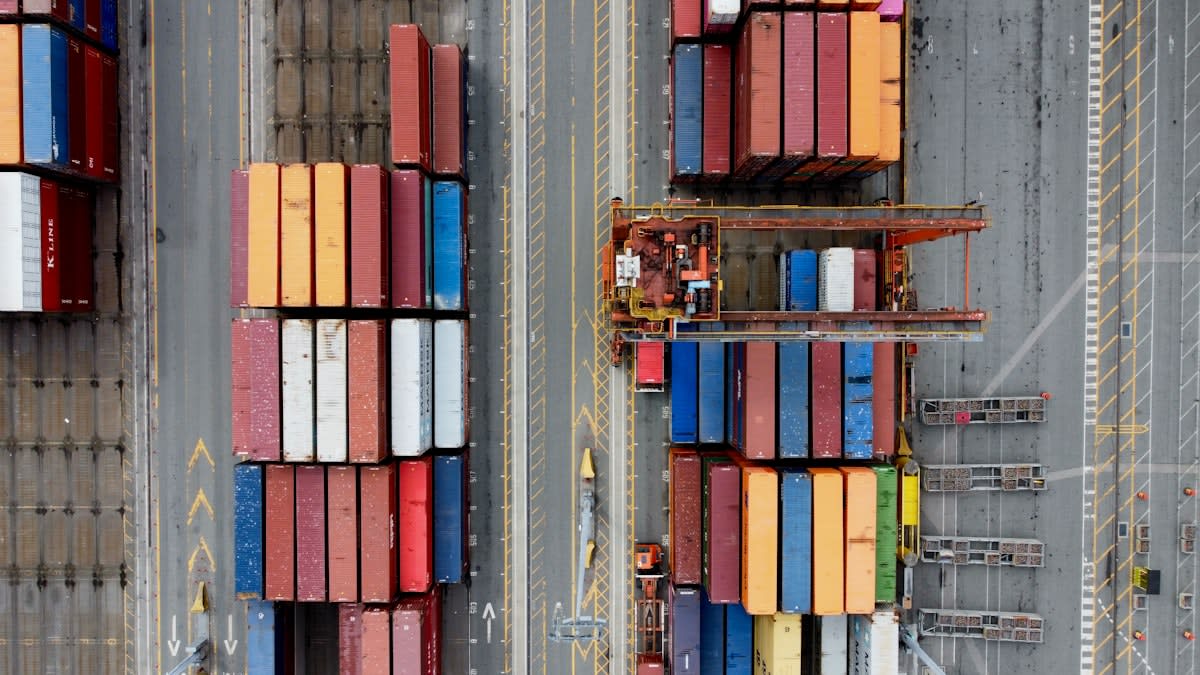
Looking ahead, the opportunity lies in the technological response. The industry is pivoting toward satellite-based AI tracking and blockchain-verified bills of lading to isolate the shadow fleet. By creating a 'digital gold standard' for compliant shipping, the legitimate market can decouple itself from the volatility and risk of the ghost fleet. The goal isn't to kill the shadow fleet—which may be impossible—but to ensure that the cost of non-compliance eventually outweighs the profit of evasion.
Estimated Growth of Non-Compliant Tanker Tonnage (2023-2024)
Executive Insight
+18.4%
YTD Growth
The final shift we must recognize is the geopolitical realignment. The ghost fleet is a tool of statecraft. It allows nations to maintain energy security in the face of extreme pressure. While the West views this as a crisis of legality, other global players view it as a triumph of resilience. The shipping overcapacity we see today is the physical manifestation of a world moving away from a single, centralized regulatory authority toward a multipolar maritime order.
In the end, the ghost fleet is a mirror reflecting the fractures in our global economic system. It reveals that as long as there is a demand for cheap, unregulated transport, the market will provide the hulls to move it. The time bomb isn't the overcapacity itself, but the assumption that the old rules of the sea still apply to everyone. The ships are there, the routes are set, and the parallel economy is open for business.