US Federal Reserve hikes interest rates by 25 basis points; first time since 2023
Source Entity
The Indian Express
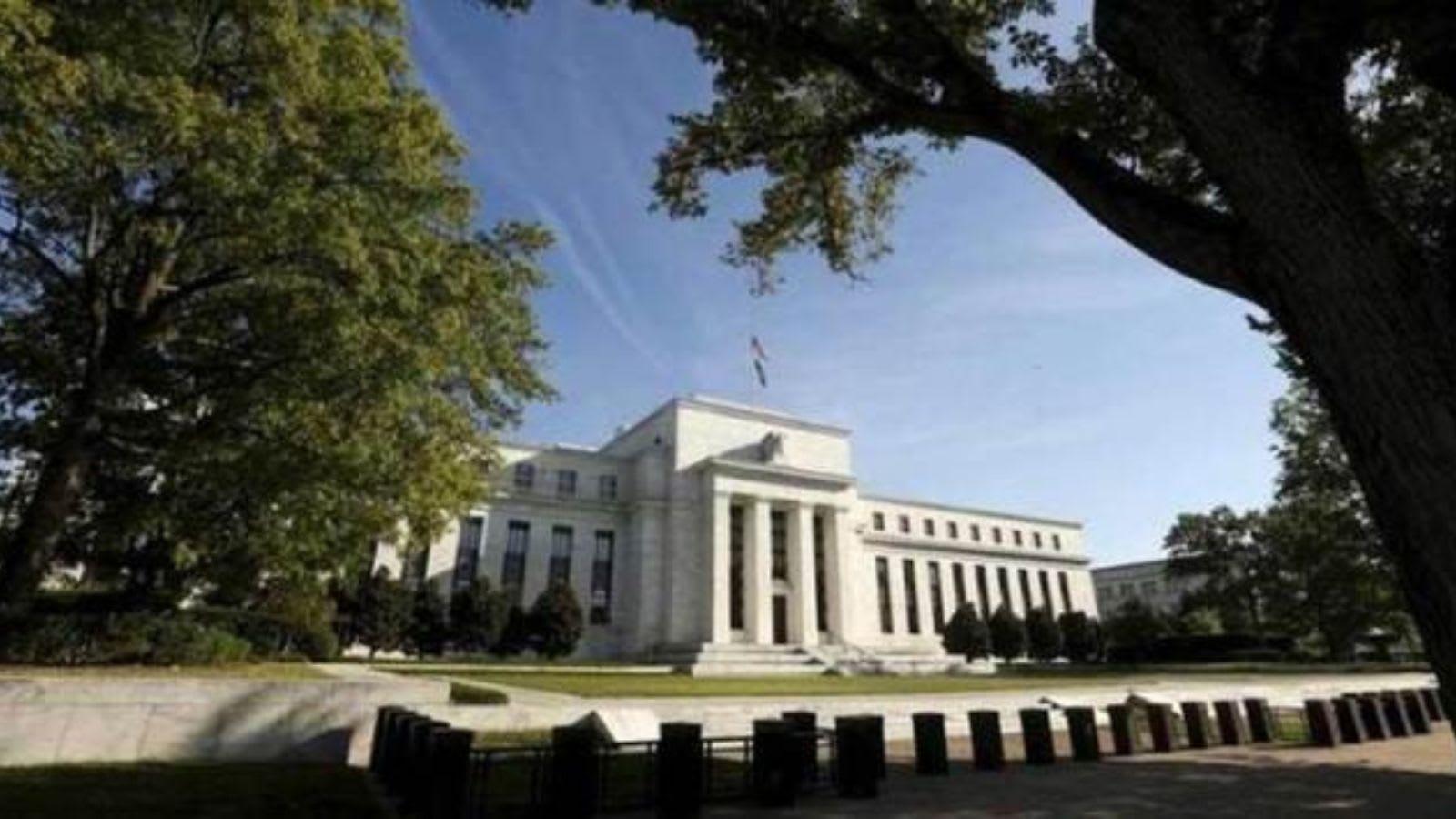
U.S. Treasury yields have climbed above 5%, signaling rising government borrowing costs and fiscal pressure. Investors are closely monitoring the Federal Reserve's upcoming policy meeting for potential interest rate hikes amid persistent inflation concerns.
The Significance of the 5% Treasury Yield Threshold
The recent climb of the U.S. 10-year Treasury yield above the 5% threshold marks a significant inflection point for the American financial landscape. For years, the bond market operated in a low-yield environment, but the current shift to 5.01%—the highest level since October 2023—fundamentally alters the fiscal math for the U.S. government. As yields rise, the cost of servicing the national debt increases, creating a budgetary strain that intensifies with every passing day these rates remain elevated.
The Federal Reserve and Policy Uncertainty
The timing of this yield spike is critical, occurring directly ahead of the Federal Open Market Committee (FOMC) meeting. Investors are operating under the weight of heightened expectations, with CME FedWatch data indicating a 92.5% probability of a quarter-point rate hike. This volatility reflects a market struggling to price in the Federal Reserve's commitment to combatting inflation, which remains stubbornly above target at 3.4% as of August.
Inflationary Pressures and Geopolitical Impact
Several macroeconomic factors are converging to drive these yields upward. The recent conflict in the Middle East has introduced significant uncertainty into the energy markets, contributing to the rise in yields, which are now roughly a full percentage point higher than pre-war levels. This geopolitical instability, combined with domestic inflationary pressures captured by the personal consumption expenditures price index, forces the Fed to maintain a hawkish stance to stabilize the economy.
Structural Shifts in Capital Allocation
Beyond traditional economic indicators, the market is grappling with a surge in corporate debt issuance. A notable driver of this activity is the massive infrastructure investment required for the artificial intelligence boom. As corporations flood the market for capital to fund AI development, the increased supply of debt exerts upward pressure on yields, further complicating the Treasury market's equilibrium.
Long-Term Implications for Fiscal Health
Looking toward the future, the persistence of these yields suggests a new era of fiscal reality. The 20-year and 30-year notes, hovering at 5.409% and 5.372% respectively, indicate that the market expects higher interest rates to remain a fixture of the financial environment for the foreseeable future. This environment forces both the government and private sector to reassess long-term project viability and debt management strategies.
Conclusion
In summary, the breach of the 5% yield level is a symptom of a complex interplay between persistent inflation, geopolitical risk, and the insatiable demand for capital driven by technological expansion. As the FOMC moves toward its decision, the bond market serves as a barometer for national fiscal health, signaling that the era of 'cheap money' has effectively concluded, replaced by a period of higher borrowing costs and necessary recalibration.
Multiple Citing Sources