Exclusive-Malaysia talks to rival airlines as it monitors AirAsia's financial health, sources say
Source Entity
Yahoo Finance
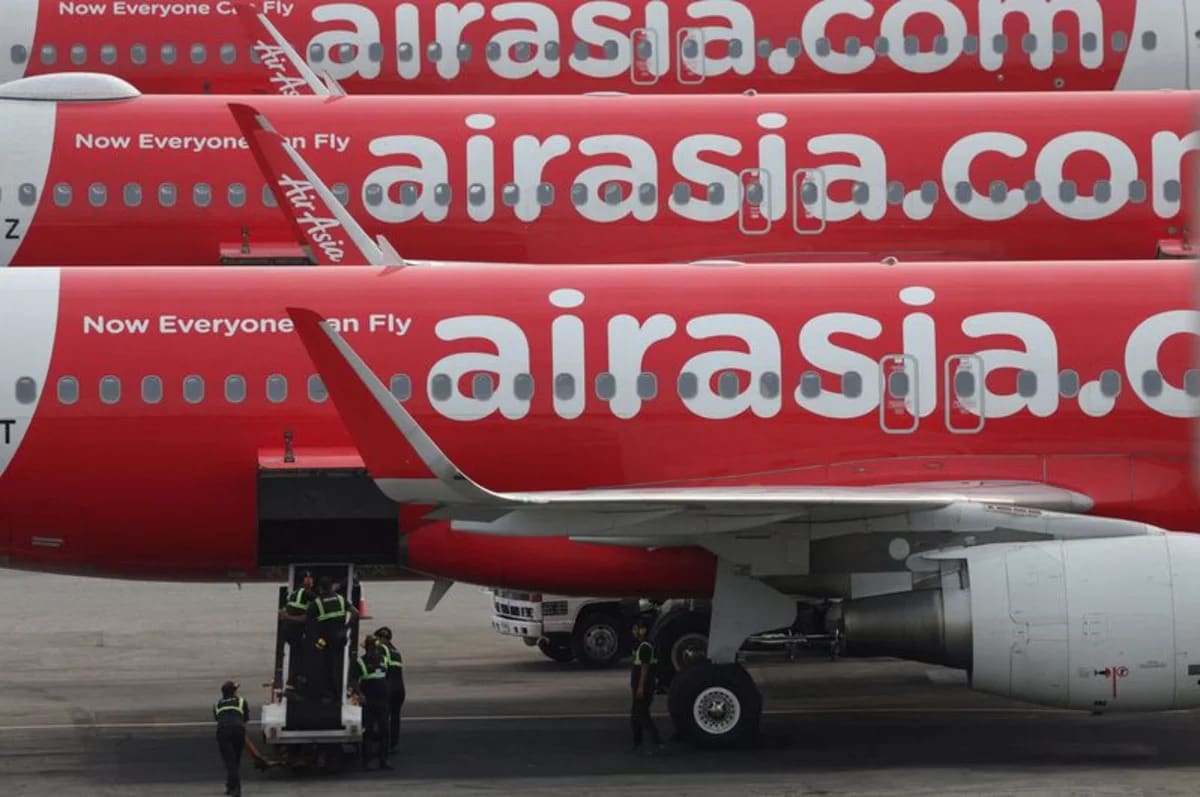
The Malaysian government is conducting contingency planning by consulting rival airlines to prepare for a potential disruption in AirAsia's domestic operations. This move follows severe financial strain on the carrier caused by a 66% spike in jet fuel costs during the second quarter.
Contingency Planning Amid Aviation Instability
The Malaysian government has initiated proactive discussions with Malaysia Airlines and Batik Air to evaluate their capacity to absorb AirAsia’s domestic market share. This strategic maneuver, described by sources as essential scenario planning, underscores the deep concern held by state authorities regarding the financial stability of Southeast Asia’s largest low-cost carrier. By engaging with key competitors, the government is signaling a desire to maintain critical domestic connectivity should the airline face an inability to continue operations.
The Impact of Geopolitical Volatility on Fuel Costs
At the heart of this financial crisis is the explosive rise in operational expenses, specifically jet fuel. The airline has reported that fuel costs surged by 66% in the second quarter compared to the previous period. These costs have been directly attributed to the U.S.-Israeli tensions involving Iran, which have disrupted energy markets and sent oil prices to an average of $183 a barrel. For a low-cost carrier model that relies heavily on razor-thin margins and high-volume traffic, such a drastic increase in fuel expenditures represents a severe threat to solvency.
Assessing Domestic Market Fragility
AirAsia has long been the backbone of affordable air travel within Malaysia, connecting urban hubs to regional destinations. The government’s inquiry into the absorption capacity of Malaysia Airlines and Batik Air highlights the potential for a significant supply gap in the aviation sector. If AirAsia were to scale back or collapse, the resulting void would necessitate a massive logistical pivot from competitors to prevent a total breakdown in domestic tourism and business travel, which remain vital to the Malaysian economy.
Regulatory Oversight and Corporate Health
Monitoring the health of a major airline is standard procedure for governments, but the intensity of the recent discussions marks a shift toward a more defensive posture. Authorities are balancing the need to ensure consumer protection with the necessity of maintaining a competitive aviation landscape. The active involvement of government officials suggests that they are not merely observing the situation but are actively preparing for the worst-case scenario in an increasingly volatile global economic climate.
Broader Implications for Southeast Asian Aviation
Beyond Malaysia, the situation serves as a cautionary tale for the regional aviation industry. As geopolitical conflicts continue to exert upward pressure on energy prices, airlines with limited cash reserves or high fuel exposure face an existential threat. The potential restructuring of the Malaysian domestic market highlights how fragile these networks are, and how rapidly state intervention becomes necessary when a dominant player faces systemic financial pressure. Future industry trends will likely focus on hedging strategies and fleet efficiency to mitigate the risks posed by such extreme fluctuations in fuel costs.