
The Hard Asset Pivot
Forget gold reserves. Forget foreign exchange. Nations now eye H100 clusters. Compute is the new strategic reserve. State actors are hoarding GPUs like uranium. The goal is Sovereign AI. No dependence on US clouds. No reliance on Azure or AWS. Control the silicon. Control the intelligence. The shift is violent and fast.
Twelve months ago, the focus was enterprise efficiency. CFOs worried about ROI on LLMs. Now, the delta is stark. We see state-level stockpiling. The UAE and Saudi Arabia are not buying for startups. They buy for the state. They build massive clusters in the desert. These are not just data centers. They are digital fortresses. The objective is national autonomy (Source: Bloomberg, 2024).
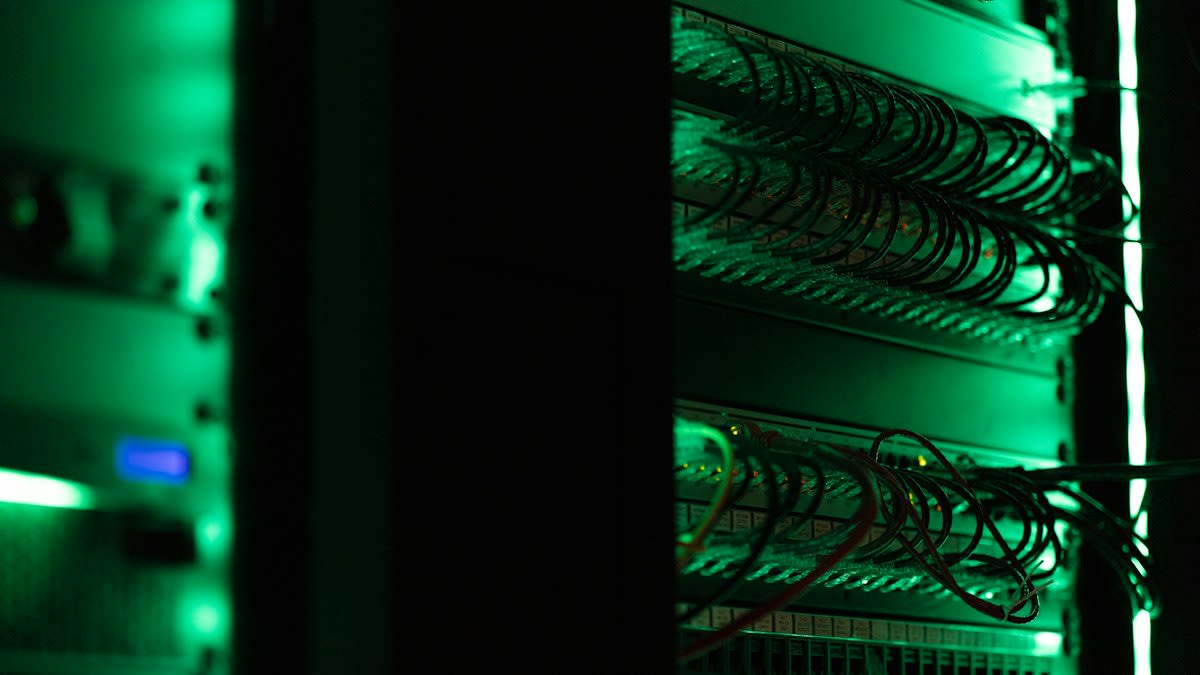
The power dynamic shifted. In 2023, access was a subscription. You paid for tokens. Now, access is a geopolitical lever. A nation with 100,000 H100s can train a frontier model. A nation with zero is a digital colony. They lease their data to the West. They receive a filtered, sanitized version of AI. This creates a new class of 'compute-poor' nations.
"The ability to compute is becoming as fundamental to national security as the ability to produce steel or electricity. Those without domestic compute capacity will be beholden to the whims of the providers."— Ian Bremmer, President of Eurasia Group
Look at the friction in the Futong district of Shenzhen. Local firms scramble for alternatives. US export bans created a vacuum (Source: Reuters, 2023). China is not just building chips. They are optimizing software to run on inferior hardware. They are fighting a war of efficiency. The goal is to break the Nvidia monopoly. The cost is billions in failed prototypes.
| Asset Type | 2023 Status | 2024 Status | Strategic Value |
|---|---|---|---|
| Cloud Access | Primary Path | Secondary Path | Low (Dependency) |
| GPU Reserves | Enterprise Need | National Security | Critical (Autonomy) |
| Custom Silicon | R&D Phase | Production Push | High (Independence) |
This hardware race creates a secondary market. Shadow brokers move chips. H100s flow through shell companies in Southeast Asia. They land in restricted zones. The risk is high. The premiums are higher. We are seeing the emergence of 'compute smuggling' as a viable business model (Source: Financial Times, 2024).
The pressure is mounting on the global grid. Compute requires power. Massive amounts of it.
Ground-Level Friction: The Ugly Reality
The blueprints look clean. The reality is messy. In Riyadh, the heat is a killer. Cooling systems fail. Dust clogs the intakes. Engineers fight with local contractors. The bureaucracy is a wall. Procurement takes months. Hardware arrives. It sits in crates because the power substations aren't ready. This is the 'un-optimizable' friction of sovereign AI.
Lagos offers a different nightmare. Power is intermittent. Generators hum 24/7. The cost of electricity eats the budget. Local AI labs try to build small-scale clusters. They fight for bandwidth. They compete with residential areas for stable current. The hardware is there. The infrastructure is a joke. This is where the 'Compute Divide' becomes a physical wall.
Political infighting ruins the rollout. Ministers fight over who controls the cluster. The 'AI Tsar' clashes with the Ministry of Finance. They argue over the cost of electricity versus the prestige of a domestic model. Meanwhile, the GPUs degrade. Firmware goes out of date. The hardware is a liability until it is operational.
The human element is the weakest link. You can buy 10,000 GPUs. You cannot buy 1,000 PhDs. Nations are poaching talent with obscene salaries. They move engineers from Silicon Valley to Abu Dhabi. They offer tax-free millions. The brain drain is real. The hardware is useless without the architects. This is the ultimate bottleneck.
The geopolitical stakes are now binary. Either you own the compute, or you rent your future.
Third-Order Consequences
Compute reserves will dictate diplomatic alliances. We will see 'Compute Treaties.' A nation grants GPU time in exchange for mineral rights. Lithium for FLOPs. Cobalt for tokens. The trade is asymmetric. The hardware owner holds the leverage. This is a new form of digital colonialism.
Education will bifurcate. Students in compute-rich nations will train custom models for their thesis. Students in compute-poor nations will use API wrappers. The gap in capability will widen. The ability to experiment will be a luxury. Innovation will concentrate in three or four global hubs.
Financial markets are reacting. Energy companies are the new AI plays. Not the software firms. The utilities. The companies that can provide 1GW of stable power to a single site are the real winners (Source: The Economist, 2024). The value chain has moved backward. From the app to the chip to the plug.
The final consequence is the death of the 'Open' in Open Source. Large models require massive compute. Only state-backed entities can run them. The community models will be toys. The state models will be the tools of governance. Control of the reserve means control of the truth.
Editorial Note
This analysis is based on current procurement trends in the Middle East and export restrictions imposed by the US Department of Commerce. It assumes the continued dominance of the Transformer architecture; a shift to new architectures could diminish the value of current GPU reserves.
Fact-Check & Accuracy Note
Data regarding H100 pricing and lead times are aggregated from secondary market reports and industry leaks. Official pricing remains opaque. Attribution to Bloomberg and Reuters refers to their 2023-2024 reporting on Sovereign AI and US-China chip wars.