‘Dangerous for our Country’: Trump slams CNN, Politico, MS NOW over White House lawsuit
Source Entity
AYUSH PANDEY
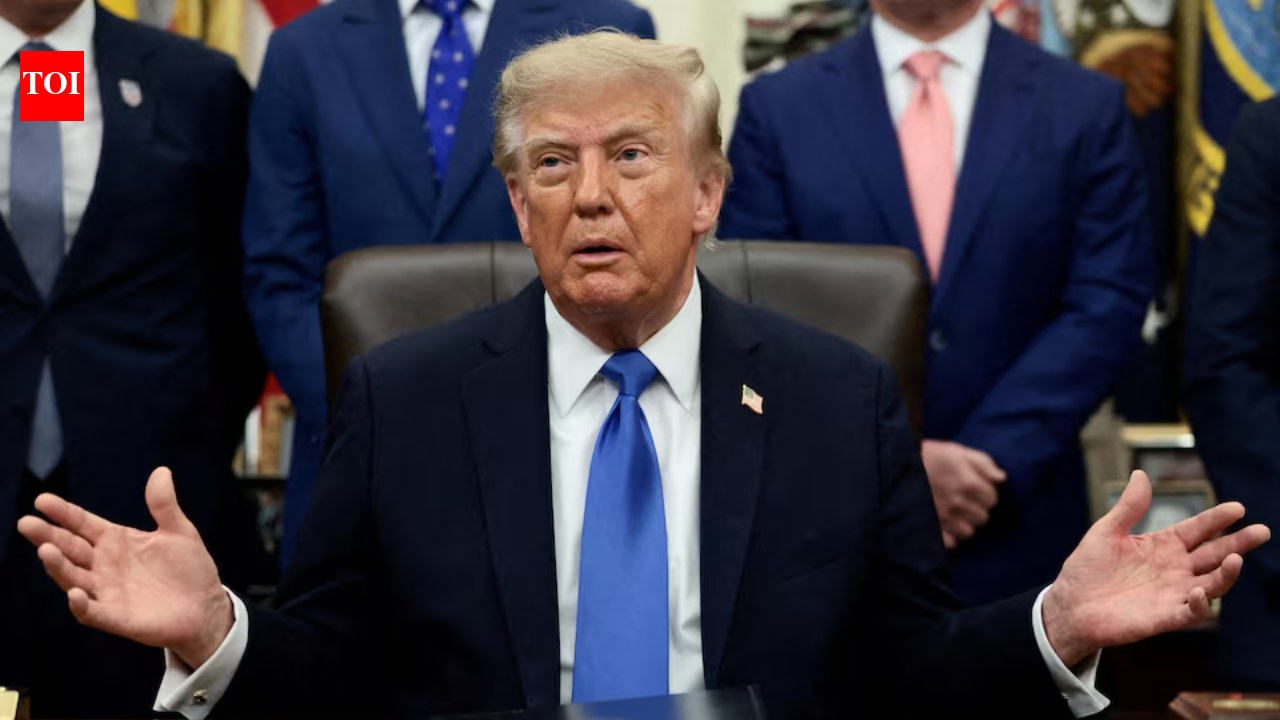
MS NOW, CNN, and Politico are suing the Trump administration after being barred from the White House. The outlets argue the ban violates the First Amendment, while the President claims the action targets 'fake news'.
The Legal Challenge to White House Press Access
In a significant escalation of tensions between the executive branch and the media, three major news organizations—MS NOW, CNN, and Politico—have announced plans to sue the Trump administration. This legal action follows a directive from President Donald Trump to bar journalists from these specific outlets from entering the White House. The conflict reached a breaking point on Saturday when reporters were actively turned away from the premises, effectively stripping them of their press credentials and preventing them from performing their traditional duties.
Constitutional Implications of the Ban
The core of the lawsuit rests on the First Amendment of the U.S. Constitution, which protects the freedom of the press. The plaintiffs argue that the administration's decision constitutes a direct assault on these fundamental principles. By restricting access to the seat of executive power, the outlets contend that the President is not merely expressing dissatisfaction with reporting, but is actively impeding the public's right to receive information about the activities of their elected leader.
The Role of the White House Press Pool
The significance of this ban is magnified by the structure of the White House press pool. This system, which involves rotating coverage between networks like ABC, CBS, CNN, Fox, and NBC, is designed to ensure that the public has a consistent stream of information regarding presidential activity. With the television pool suspending coverage in solidarity or as a result of these logistical disruptions, there is an immediate risk that the public will be deprived of critical, real-time reporting on government affairs.
Executive Justification vs. Media Accountability
President Trump has defended the move by citing "cumulative stories" produced by the outlets, characterizing their work as "corrupt," "out of control," and a "threat to national security." While the President maintains that he "cherishes" a free press, he draws a sharp distinction between legitimate journalism and what he labels as "fake news." This rhetorical strategy frames the administrative ban as a defense against biased coverage rather than an attack on the institution of the press itself.
Historical Context and Future Precedents
Historically, presidents have frequently clashed with the media, expressing frustration over the "tenor and content" of coverage. However, the formal legal challenge filed in the U.S. District Court for the District of Columbia marks a departure from typical political friction. The outcome of this lawsuit will likely set a significant legal precedent regarding the extent of executive authority in managing press access. If the court finds in favor of the media outlets, it could reinforce the necessity of institutional access as a requirement for a functioning democracy.
Conclusion
As the litigation moves forward, the nation faces a pivotal moment in the relationship between the government and the press. The tension highlights the ongoing debate over accountability in the digital age. Whether this conflict leads to a reaffirmation of First Amendment protections or establishes new boundaries for executive control over media access remains to be seen, but the implications for transparency in the White House are profound.
Multiple Citing Sources