Academicians write to Governor opposing the inter-university transfer of teachers
Source Entity
India Latest News: Top National Headlines Today & Breaking News | The Hindu
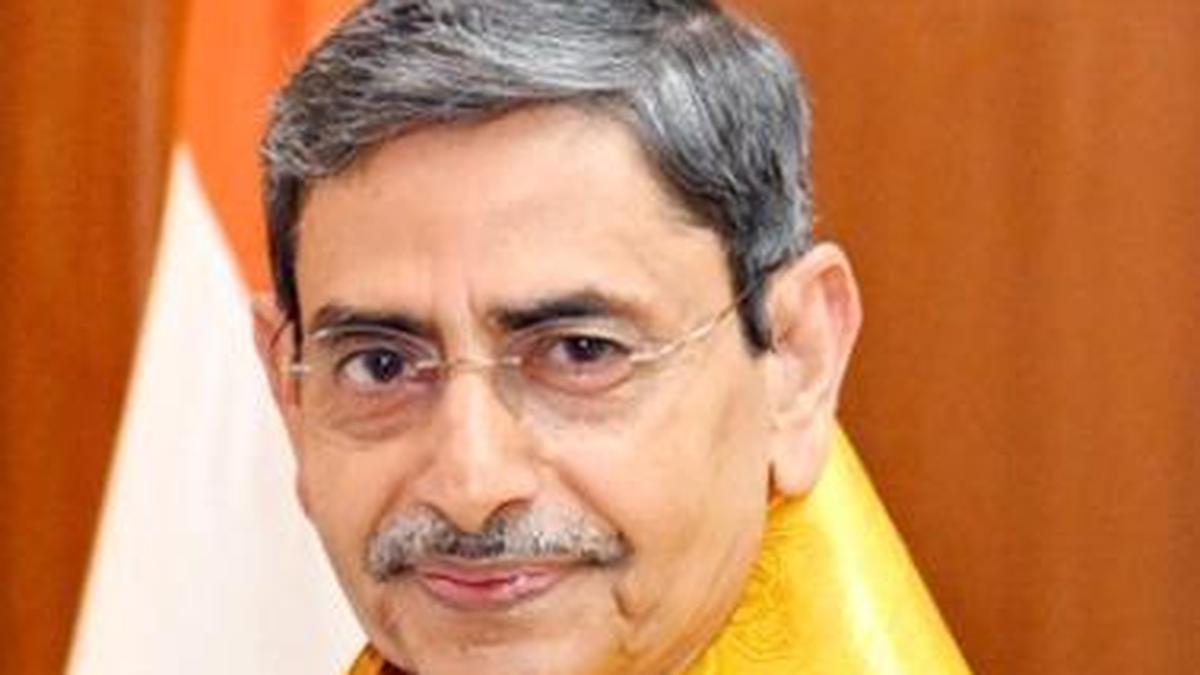
Academics have petitioned the Governor to oppose the West Bengal Universities and Colleges (Amendment) Bill, 2026. They argue that the bill's provision for inter-university transfers threatens institutional autonomy and academic productivity.
The Controversy Surrounding West Bengal's Higher Education Reform
A significant shift in the administrative landscape of higher education in West Bengal has sparked intense debate. The West Bengal Universities and Colleges (Administration and Regulation) (Amendment) Bill, 2026, which was passed by the State Assembly on September 10, has become a focal point of contention between the state government and the academic community. At the heart of this dispute is a proposed amendment to Section 14A of the 2017 Act, which introduces a provision enabling the inter-university transfer of both teaching and non-teaching staff.
Concerns Over Institutional Autonomy
The core objection raised by a group of 14 distinguished academics in their letter to Governor R.N. Ravi centers on the erosion of institutional autonomy. By granting the state authority to transfer faculty and staff across different universities, critics argue that the unique requirements of individual institutions—such as specialized research projects, specific departmental cultures, and long-term academic planning—will be undermined. The signatories to the letter contend that such centralized control effectively strips universities of their ability to manage their own human resources in alignment with their academic goals.
Impact on Research and Productivity
Beyond administrative control, there is a profound concern regarding the long-term impact on academic productivity. Research environments are often built upon stable faculty cohorts that foster sustained collaboration and mentorship. Academics fear that the ability to transfer staff 'as and when required' introduces an element of instability that could hinder research continuity. If a faculty member is transferred mid-project or without regard for the specific pedagogical needs of a department, the quality of both teaching and research output may suffer significantly.
The Role of the Chancellor
By addressing their grievances to Governor R.N. Ravi, who serves as the Chancellor of all universities in the state, the academics are utilizing the formal channel for oversight regarding university governance. This move highlights the ongoing tension between the legislative branch and the office of the Chancellor in West Bengal. The intervention sought from the Governor suggests that the academic community views this Bill not merely as an administrative adjustment, but as a fundamental shift in the power dynamics governing higher education institutions.
Broader Implications and Future Trends
This legislative move reflects a broader trend of increasing state intervention in higher education governance across various regions. While proponents of the Bill may argue that inter-university transfers provide necessary flexibility and address staffing shortages in remote or under-resourced colleges, the academic community's reaction highlights the risks of sacrificing institutional independence for bureaucratic efficiency. As this situation evolves, the outcome will likely set a precedent for how much control state governments can exert over the personnel policies of autonomous academic institutions in the future.
Verification Required?