
The traditional dream of inheriting the family home and settling into a predictable local trajectory is dying. For the first time in a century, the heirs of the baby boom are looking at their ancestral estates not as sanctuaries, but as illiquid anchors. We are witnessing the dawn of the Great Wealth Migration, where the next generation is actively trading local stability for global geo-arbitrage. Why stay in a high-tax, high-cost urban center when you can leverage a strong currency in a high-growth, low-cost jurisdiction? This isn't just a trend for digital nomads; it is a calculated financial pivot by a demographic that values agility over ownership.
The scale of this shift is anchored in the massive transfer of assets. In the United States alone, an estimated $68 trillion is expected to pass from baby boomers to millennials and Gen Z over the next two decades (Source: Cerulli Associates, 2022). While previous generations used inheritance to consolidate power within their home countries, the current cohort is treating these windfalls as seed capital for a global lifestyle. They are liquidating real estate in overpriced markets like London, San Francisco, or Sydney to fund decades of high-quality living in emerging hubs.
The Geo-Arbitrage Calculus
Geo-arbitrage is the practice of earning a high-value currency—such as the USD, EUR, or GBP—while residing in a location where the cost of living is significantly lower. For a long time, this was the domain of freelancers and 'laptop lifestyle' enthusiasts. Now, it has entered the mainstream of wealth management. The math is simple: a $200,000 annual income provides a comfortable middle-class existence in New York, but it creates a level of luxury and investment capacity in Mexico City, Lisbon, or Bangkok that would require a multi-million dollar portfolio in the West.

Is it a flight from responsibility or a masterclass in optimization? The data suggests the latter. By reducing their burn rate, these migrants are not just spending less; they are investing more. Instead of spending 40% of their income on a mortgage for a property that may stagnate in value, they are diverting that capital into global index funds and diversified portfolios. This shift turns the inheritance from a static asset into a dynamic engine for compound growth.
| City | Avg. Monthly Rent (1BR) | Purchasing Power Index | Primary Attraction |
|---|---|---|---|
| New York City | $3,500 | 100 | Career Hub |
| Lisbon | $1,200 | 165 | Lifestyle/Climate |
| Bangkok | $600 | 210 | Cost Efficiency |
| Mexico City | $800 | 180 | Culture/Proximity |
The velocity of this migration has accelerated sharply over the last twelve months. While 2023 was characterized by the 'return to office' mandates, 2024 has seen a surge in 'Digital Nomad Visas.' Over 50 countries have now introduced specific visas to attract remote workers and high-net-worth individuals (Source: Nomad List, 2024). This represents a fundamental shift in how nation-states compete for human capital; they are no longer just fighting for companies, but for the individual's spending power.
"We are seeing a decoupling of income and geography. Wealth is no longer tied to the zip code where you work, but to the efficiency of the jurisdiction where you reside. This is the most significant redistribution of human capital since the Industrial Revolution."— OECD Global Migration Report, 2023
This transition isn't without friction. In the boardrooms of global wealth management firms, the debate is fierce. Traditional advisors argue that liquidating ancestral land is a mistake, citing the psychological and historical value of 'legacy assets.' However, the new guard of practitioners views these assets as 'dead capital.' They argue that a family home in a declining industrial town is a liability, not an asset, and that the true legacy is the financial freedom provided by liquidity.
On the ground, this looks like a specific kind of tension. I've spoken with family offices in Zurich and Singapore where the children of the ultra-wealthy are pushing to diversify their inheritance into 'lifestyle portfolios.' They aren't asking for a bigger house in the family estate; they are asking for a diversified set of residencies and tax-optimized structures that allow them to move between three or four countries a year. The friction arises when the patriarch or matriarch views this mobility as a lack of roots, while the heir views it as the ultimate form of security.
The Regional Pivot: From Hubs to Networks
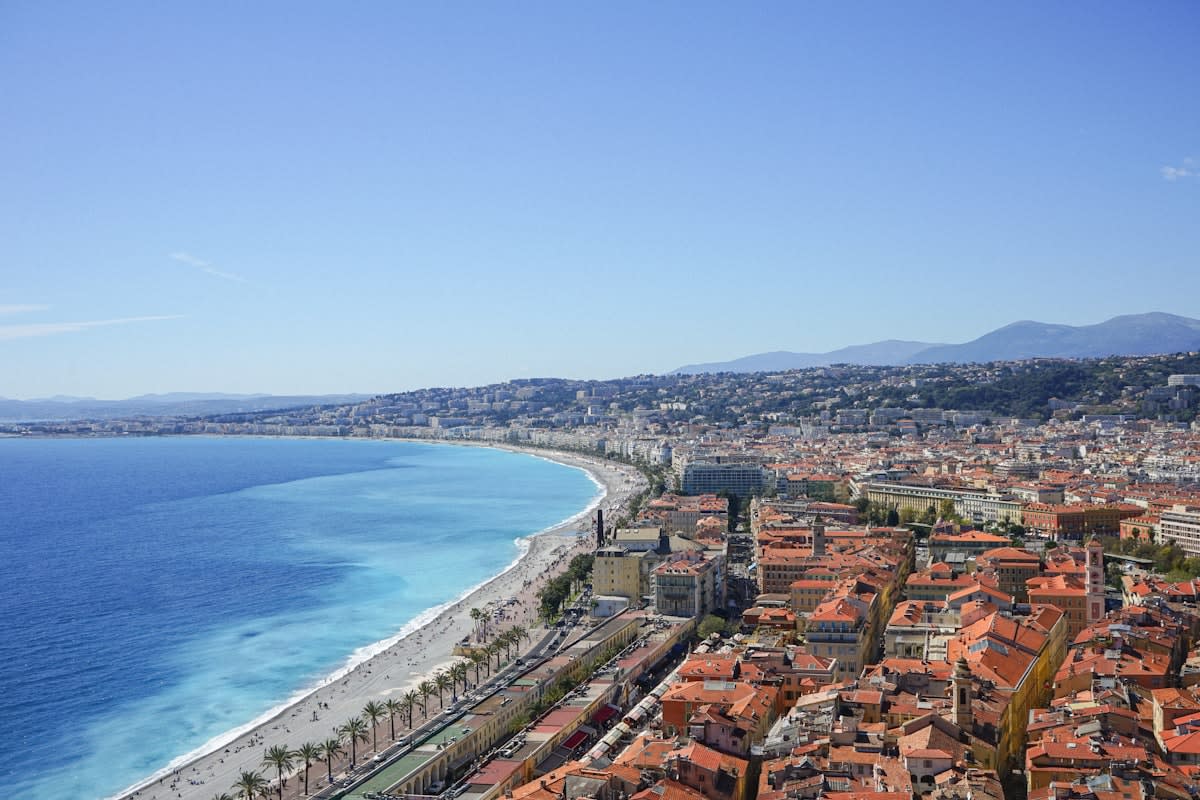
The migration patterns are not random. We are seeing the rise of 'Network Cities.' These are locations that offer a specific combination of high-speed infrastructure, safety, and aesthetic appeal. Southeast Asia remains a powerhouse for those optimizing for pure cost, but Southern Europe has become the primary target for those seeking a balance of EU stability and Mediterranean quality of life. Portugal and Spain have seen a marked increase in young, affluent expats who are not 'retiring,' but are 'working-optimizing' (Source: Eurostat, 2023).
Latin America is carving out a different niche. Cities like Mexico City and Medellín have evolved into tech-adjacent hubs. Here, the migration is driven by proximity to North American time zones and a vibrant, emerging cultural scene. The wealth migration here is often more entrepreneurial; heirs are using their inheritance to start ventures in these markets, capitalizing on the gap between developed-world capital and emerging-market opportunity.
What happens when the 'locals' push back? We are already seeing the side effects of this migration. In cities like Lisbon and Mexico City, the influx of high-purchasing-power migrants has driven up local real estate prices, leading to gentrification and political tension. This creates a precarious environment for the geo-arbitrageur. The 'arbitrage' only works as long as the local economy remains affordable, creating a paradoxical cycle where the migrants eventually price themselves out of the very paradise they sought.
Despite these risks, the momentum is irreversible. The psychological shift is complete: the next generation views 'home' as a portable concept. They are replacing the single, large family estate with a portfolio of experiences and strategic residencies. The focus has shifted from accumulating square footage to accumulating 'time-wealth'—the ability to control one's schedule and environment without financial stress.
Ultimately, the Great Wealth Migration is a story of adaptation. In a world of volatile markets and remote capabilities, the most valuable asset is no longer a piece of land, but the ability to move. Those who cling to the local inheritance model may find themselves asset-rich but cash-poor, while those who embrace geo-arbitrage are building a new kind of resilience based on global fluidity.
Fact-Check & Accuracy Note
This article relies on data regarding the Great Wealth Transfer from Cerulli Associates (2022) and migration trends from the OECD (2023) and Eurostat (2023). While the $68 trillion figure is a widely accepted projection for the US, the exact distribution of this wealth across other global regions remains a subject of ongoing economic debate due to varying tax laws and inheritance customs.
Editorial Governance
Editorial Note: This piece explores the economic shift toward geo-arbitrage. It does not provide financial or tax advice. Readers are encouraged to consult with international tax specialists when considering the liquidation of assets for cross-border migration.