‘Not much you can do besides be defensive’: Springer on Abhishek Sharma’s onslaught
Source Entity
The Indian Express
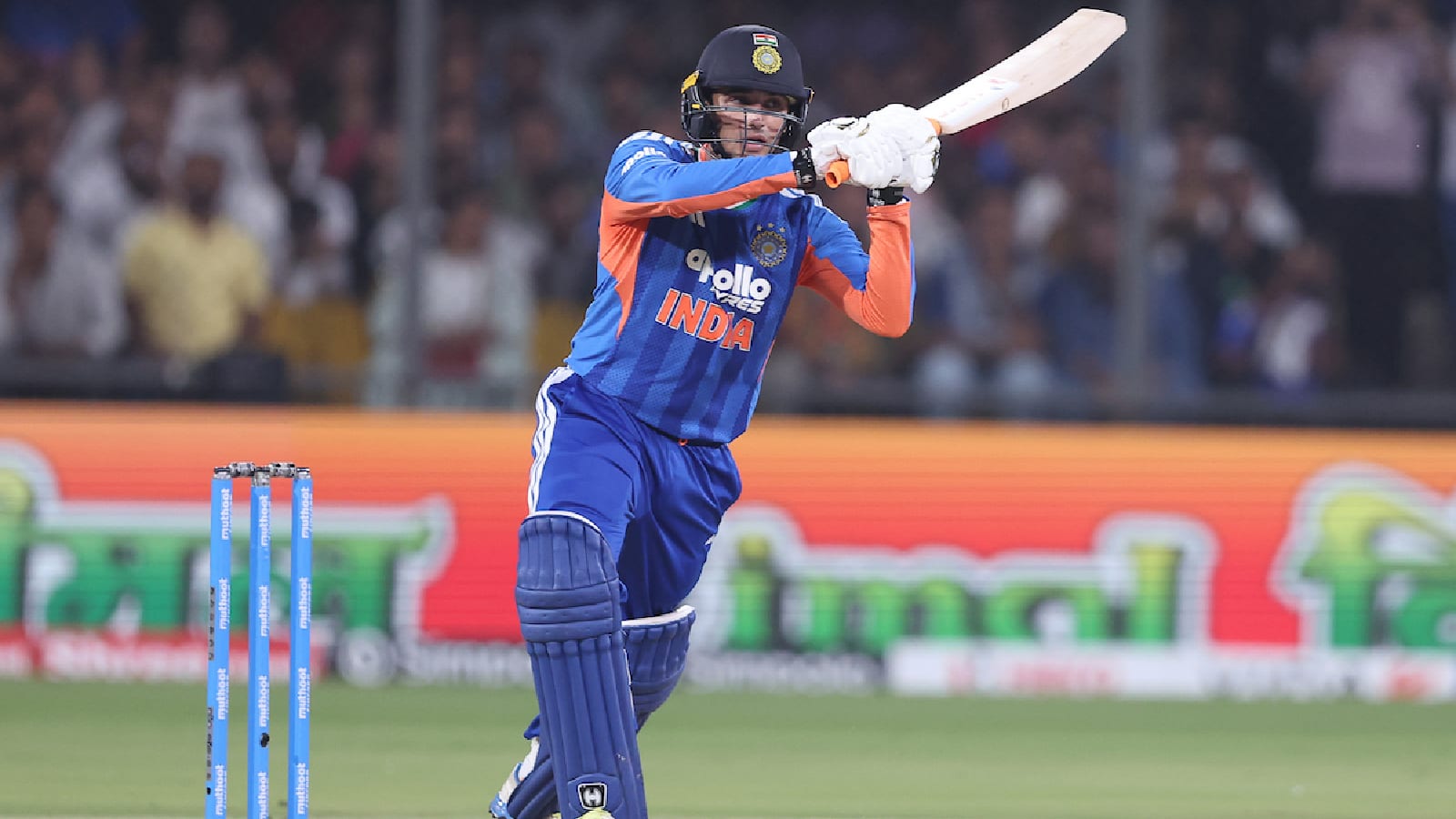
Abhishek Sharma’s explosive 69 off 30 balls and Naman Dhir’s unique bowling knack propelled India to a T20I victory over the West Indies. The win highlighted Sharma's evolving tactical preparation and the team's resilience under pressure.
A Tactical Triumph in Indore: India’s Clinical T20I Performance
The recent T20I clash between India and the West Indies in Indore served as a masterclass in aggressive batting and adaptive bowling. India’s total of 223, anchored by a blistering 69 off 30 balls from Abhishek Sharma, proved to be the decisive factor, as the visitors fell 14 runs short. This victory was not merely a display of raw talent but a showcase of tactical evolution, with players demonstrating a sophisticated approach to both attacking the opposition and defending a steep total.
The Aggression of Abhishek Sharma
Abhishek Sharma continues to cement his reputation as one of modern cricket’s most potent powerplay specialists. His 30-ball 69 was instrumental in setting the pace, marking his 14th T20I half-century. Beyond the statistics, Sharma has become the fastest player to reach 2,000 T20I runs in terms of balls faced, a testament to his boundary-hitting consistency. His recent approach reflects a shift toward deliberate, high-intensity preparation, where he explicitly seeks to make his practice sessions uncomfortable to better simulate the pressures of international match scenarios.
Bowling Resilience: The ‘Six and Out’ Phenomenon
While the batting garnered headlines, the bowling unit’s resilience was equally noteworthy. Naman Dhir, a young spinner, found himself in a high-pressure situation when Kamil Pooran targeted him for three sixes in a single over. However, the intervention of captain Shreyas Iyer and Abhishek Sharma provided the necessary calm. Dhir’s subsequent dismissal of Pooran reinforced his peculiar yet effective career trait: the ability to take wickets immediately after being hit for a six. This 'Six and Out' dynamic has become a tactical asset for India, turning potential defensive liabilities into breakthroughs.
Strategic Impotence of the Opposition
West Indies all-rounder Shamar Springer candidly admitted that his side struggled to counter Sharma’s onslaught. The admission that their 'Plan B' was reduced to purely defensive bowling highlights the psychological dominance India’s top order currently exerts over opponents. By forcing the opposition into a containment-only mindset, India effectively dictates the flow of the game, limiting the strategic options available to the fielding side and forcing them to rely on hope rather than execution.
The Importance of Tactical Preparation
Sharma’s success is rooted in his commitment to studying bowler plans and countering them before even stepping onto the pitch. This analytical approach, paired with his instinctive aggression, suggests a maturing player who understands the nuances of the game. His ability to bounce back from a string of inconsistent scores (0, 7, 61, 21, 20) with a 69-run knock proves his resilience and adaptability, traits that are essential for long-term success at the international level.
Future Implications and Trends
As India continues to refine its T20I strategy, the integration of players like Dhir and the tactical maturity of stars like Sharma signal a bright future. The team is moving toward a model where aggressive batting is backed by a clinical, high-risk, high-reward bowling style. If India can maintain this blend of tactical preparation and the ability to strike back under pressure, they will remain a formidable force in the T20 landscape, regardless of the opposition's defensive efforts.