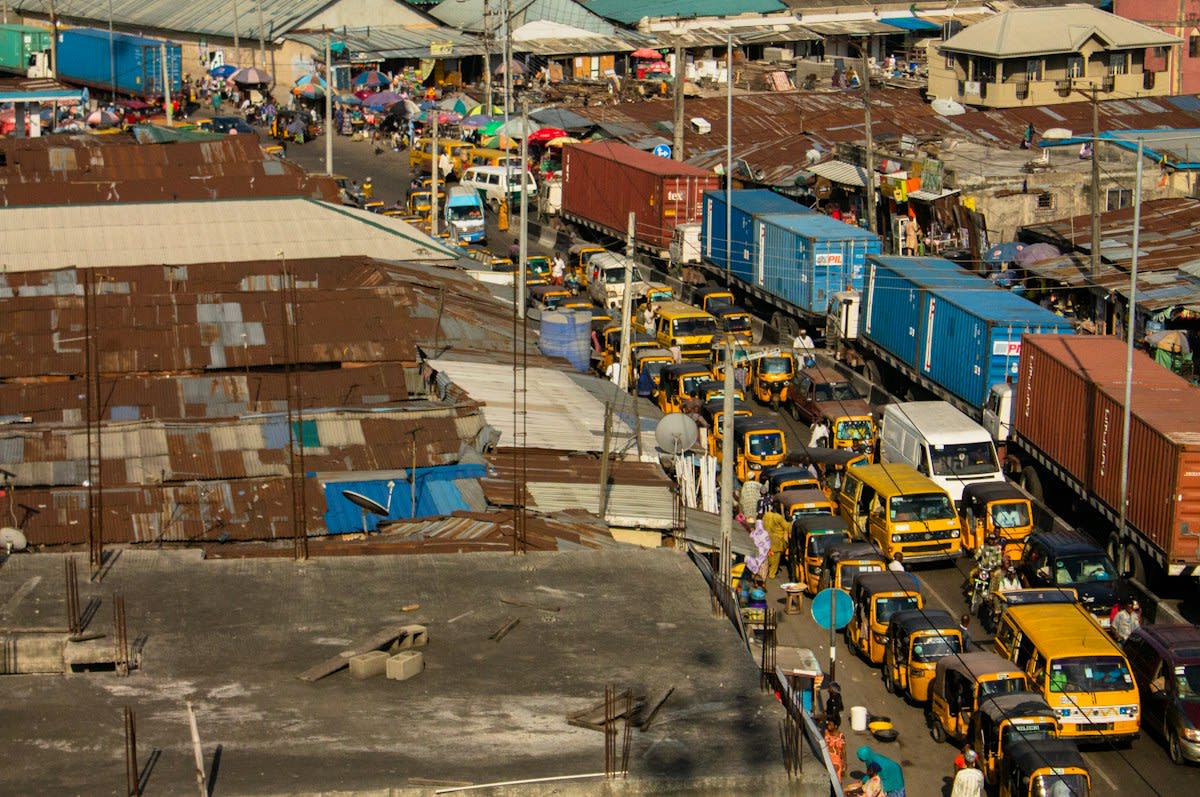
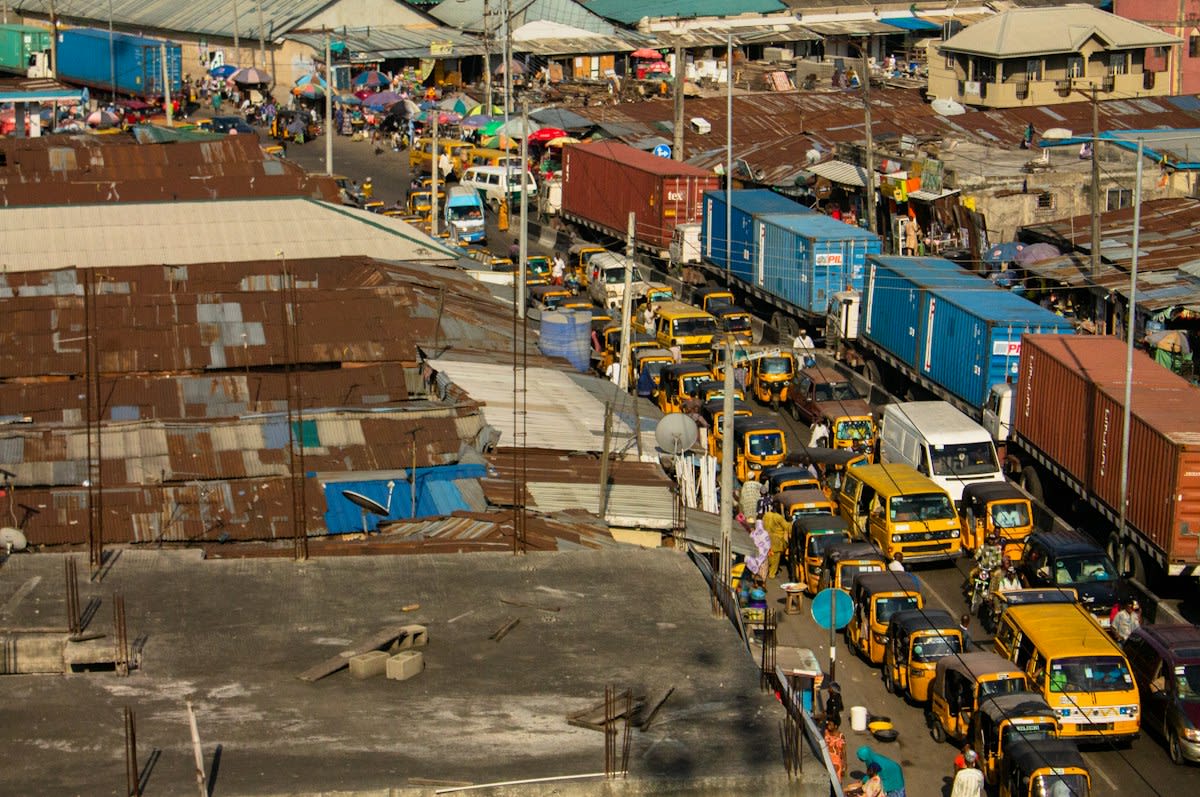
A street vendor in Lagos doesn't care about a FICO score. He doesn't know what a credit utilization ratio is, and he certainly isn't waiting for a loan officer in a glass tower to approve his expansion. Instead, he belongs to a Susu. Every morning, a collector visits his stall, takes a fixed amount of Naira, and adds it to a communal pot. Once a month, one member of the circle takes the entire lump sum. No interest. No paperwork. No credit check. Just a handshake and a shared history of reliability.
This is the ROSCA—the Rotating Savings and Credit Association. It is the most successful financial product in human history, and it is currently operating in the blind spot of every major global bank. While the West views these as 'primitive' tools of the poor, the reality is a sophisticated hedge against the friction of formal banking. In Mexico City, they call it the Tanda. In India, the Chit Fund. In China, the Hui. They are not just saving tools; they are trust-networks that outpace the speed of a credit bureau's update cycle.
The Data Blind Spot
The global credit scoring system is a data-hungry beast. It requires a paper trail: utility bills, payroll deposits, credit card history. But in the Global South, the trail is invisible. According to the World Bank, approximately 1.4 billion adults remain unbanked (Source: World Bank Global Findex, 2021). For these individuals, the formal system doesn't just fail them; it ignores them. The result is a massive data asymmetry. The banks think these populations are 'high risk' simply because they are 'no data'.
Enter the ROSCA. By leveraging social pressure—the ultimate collateral—these circles create a creditworthiness metric that is far more accurate than any algorithm. If you default on a bank loan, you get a letter from a lawyer. If you default on a Tanda in a tight-knit neighborhood in Mexico City, you lose your social standing, your business referrals, and your community's trust. The cost of failure is existential, not just financial. This creates a default rate that often outperforms formal microfinance institutions in high-trust clusters.
"The fundamental flaw of Western credit scoring is the belief that risk can be quantified through historical payment data alone. In informal economies, risk is managed through social proximity. The 'credit score' is the person's reputation in the marketplace, which is a far more liquid and volatile asset than a number on a screen."— Dr. Arpita Gupta, Senior Researcher in Informal Finance at the Institute of Development Studies
The delta over the last 12 months is staggering. We are seeing a migration of these circles from physical meet-ups to encrypted WhatsApp groups and specialized fintech apps. The 'informal' is becoming 'digitally informal'. This shift allows circles to scale beyond the neighborhood. A merchant in Mumbai can now run a Chit Fund with partners in Dubai, bypassing the SWIFT system's delays and the predatory fees of traditional remittances.
The Second-Order Collapse: The Bank's Dilemma
Here is where the system breaks for the incumbents. Banks spent a decade trying to 'financialize' the unbanked. They launched digital wallets and micro-loan apps. But they missed the core value proposition: the ROSCA isn't about the money; it's about the community. When a bank offers a loan, it's a transaction. When a saving circle offers a payout, it's a social event. By trying to replace the circle with an app, banks are fighting a war against social cohesion.
The consequence? A total loss of customer acquisition data. As more high-earning entrepreneurs in emerging markets utilize these hidden circles for their capital needs, they never enter the formal credit system. They don't need a mortgage because they have a circle. They don't need a business loan because they have a Tanda. The banks are losing the most resilient segment of the emerging middle class because their entry requirements—the credit score—are a barrier to entry that the users have simply decided to ignore.
| Metric | Formal Credit Score | Saving Circle (ROSCA) |
|---|---|---|
| Collateral | Assets/Income Proof | Social Reputation |
| Verification Speed | Days to Weeks | Instant (Trust-based) |
| Cost of Capital | Interest Rates (Variable) | Zero (Peer-to-Peer) |
| Penalty for Default | Legal Action/Score Drop | Social Ostracization |
| Accessibility | High Barrier | Low Barrier |
This creates a third-order effect: the rise of 'Shadow Credit'. We are seeing the emergence of local power brokers who manage multiple circles, effectively acting as unregulated central banks for their communities. These brokers hold the real leverage. They know who is solvent and who is struggling long before any bank's risk model would flag a problem. They are the new keepers of the ledger.

Ground-Level Friction: The Ugly Side of Trust
Don't mistake this for a utopia. The 'trust protocol' is brutal when it fails. In the formal system, a bankruptcy is a legal process. In a ROSCA, a default is a betrayal. I've seen cases in Manila where a circle collapse led to physical confrontations in the market. There is no insurance. There is no FDIC. If the person who takes the first pot vanishes, the rest of the circle is left holding a void. The 'friction' here isn't bureaucratic—it's visceral.
The legal loopholes are equally messy. In many jurisdictions, these circles operate in a gray zone. In India, the Chit Funds Act tries to regulate them, but the vast majority of these operations remain off-book to avoid taxes and government interference (Source: Reserve Bank of India, 2022). This creates a precarious environment where the only thing protecting your money is the fact that the person next to you also wants to keep their reputation intact. It is a high-stakes game of social chicken.
The real fight now is occurring in the fintech space. Startups are trying to build 'Digital ROSCAs' that provide a layer of legal protection without killing the social vibe. But they are hitting a wall: the users don't want the government to know. The invisibility of the saving circle is its primary feature, not a bug. Any app that introduces 'KYC' (Know Your Customer) requirements effectively kills the very trust-network it is trying to monetize.
The Endgame: A Bifurcated Financial World
We are heading toward a bifurcation of global finance. On one side, the formal, algorithmic world of credit scores and centralized banking. On the other, a sprawling, invisible network of trust-based circles. The formal system will continue to claim the 'unbanked' are a market opportunity, while the unbanked continue to prove they don't need the bank. The credit score is becoming a relic of a centralized era.
The ultimate winner isn't the bank or the app; it's the individual who can navigate both. The savvy entrepreneur uses the ROSCA for fast, zero-interest capital to scale their street operation, and then uses that cash to buy formal assets that the banks finally recognize. They are using the shadow system to hack the formal one. The banks aren't just losing customers; they are losing the ability to define who is 'creditworthy' in the first place.
Intelligence Note
The shift from physical to digital ROSCAs is accelerating. In the last 12 months, the integration of stablecoins into these circles has allowed cross-border Tanda-style arrangements, removing the currency devaluation risk that previously plagued circles in hyper-inflationary environments like Argentina or Turkey.
Fact-Check & Accuracy Note
Settled: ROSCAs are globally prevalent and function as an alternative to formal credit. Debated: Whether digitizing these circles increases default rates by reducing the 'social proximity' that ensures payment. Most practitioners argue that without the physical threat of social shaming, the model collapses.