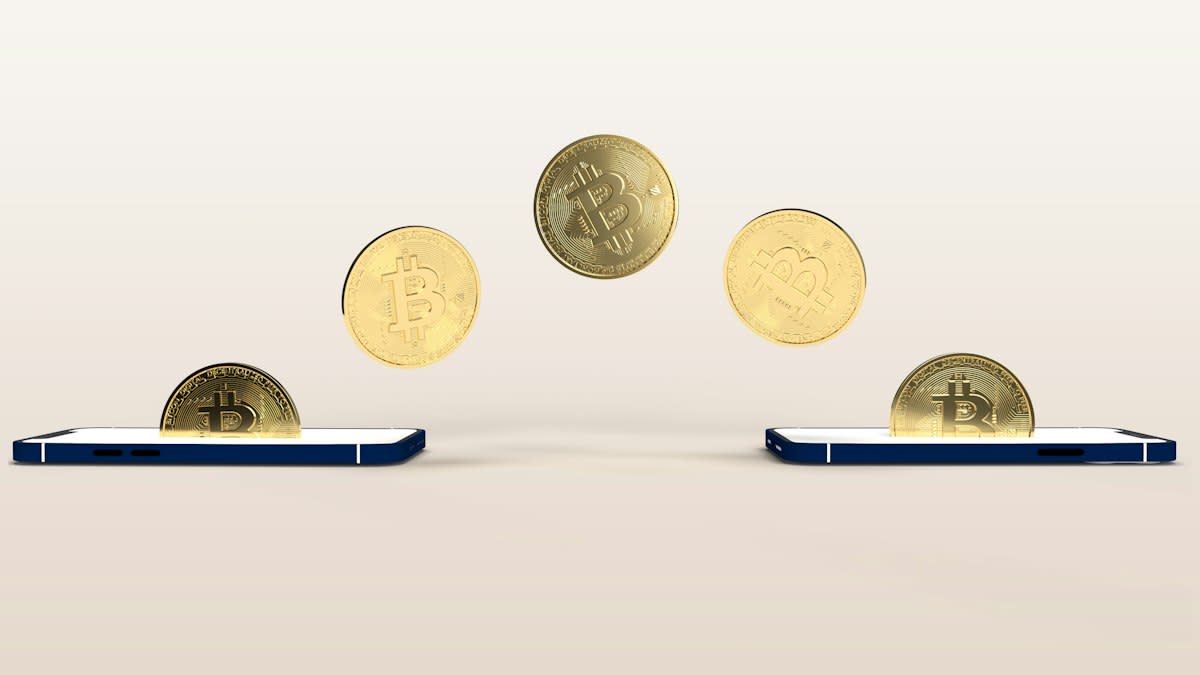
Cash dies today. 1.9 million JazzCash QR merchants now exist in Pakistan (Source: PK Revenue, 2026). This massive adoption indicates a systemic move toward financial inclusion and a cashless economy. Businesses are no longer merely experimenting with digital payments; they are replacing the physical ledger entirely. This movement reduces the reliance on physical banks and accelerates the velocity of money in developing regions.
Prerequisites
- QR-capable payment terminals or mobile devices
- Stablecoin-compatible treasury wallets
- Payroll software with on-chain rails (e.g., Deel)
- Digital identity verification for merchants
- Stablecoin liquidity providers (e.g., BVNK)
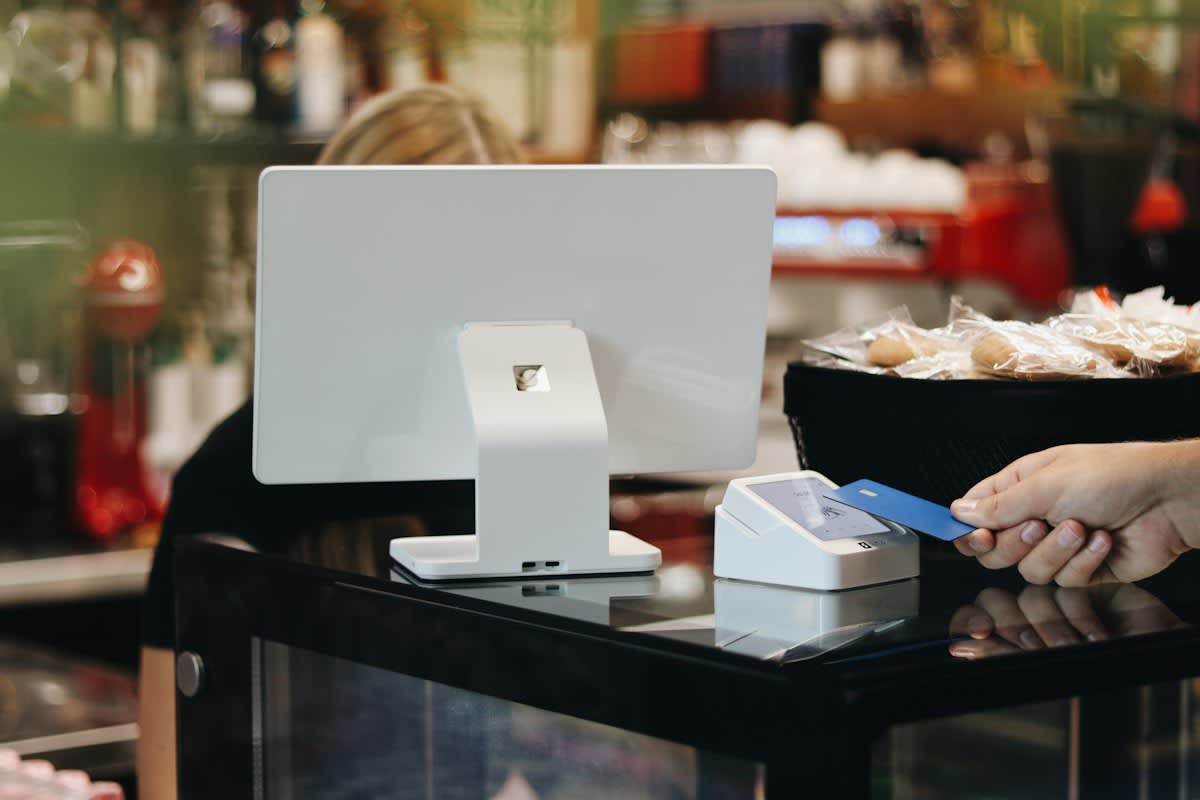
Hardware requirements vary based on the scale of the operation. Small merchants only need a printed QR code and a smartphone to accept payments via networks like JazzCash. Larger enterprises require dedicated terminals that can handle high-frequency transactions without latency. The goal is to remove every single point of friction that would lead a customer to reach for a physical banknote. Once the hardware is in place, the focus moves to the backend settlement layer.
Implementation Steps
- Deploy QR merchant codes for customer-facing transactions
- Establish a stablecoin treasury using USDC or USDT
- Connect payroll systems to a zero-fee account network
- Upskill staff in digital economy management
- Verify settlement speeds against local inflation rates
Deploying QR codes is the fastest way to reduce cash dependency. In Pakistan, the growth of JazzCash QR merchants to 1.9 million demonstrates that simplicity drives adoption (Source: PK Revenue, 2026). Merchants simply display a code, and the customer transfers funds instantly. This removes the need for change, reduces theft, and creates a digital trail for every transaction. It is the first step in decoupling business from the physical constraints of paper money.
Establishing a stablecoin treasury provides a hedge against local currency volatility. By holding assets like USDC or USDT, businesses can maintain a stable value for their reserves. This is particularly vital when local monetary policy is unpredictable. The treasury acts as a buffer, ensuring that the company can meet its obligations regardless of the local currency's performance. This financial layer prepares the business for the final move: digital payroll.
"Education should not only help people develop their awareness but also equip them with the capacity to solve practical problems. Therefore, lifelong learning should be the foundation, supporting workers in adapting to the transition to the digital and green economy."— Mr. Talha, Vocational Education Expert (Source: Vietnam.vn, 2026)
Upskilling staff is often the most overlooked part of the process. As noted by experts in Vietnam, vocational training must adapt to AI, automation, and the digital economy to ensure workers can actually use these new tools (Source: Vietnam.vn, 2026). Without a trained workforce, the most advanced payment rails remain unused. Training must focus on digital literacy and the operational management of electronic ledgers. This human element is what determines if a cashless move succeeds or fails.
Financial Infrastructure and Stablecoins
Stablecoins have moved from speculative assets to core treasury tools. Circle (USDC) and Tether (USDT) now dominate the scene with a combined market cap exceeding $200 billion (Source: OneSafe, 2026). This massive liquidity allows businesses to move funds across borders without the delays of the SWIFT network. By using these assets, companies can bypass the traditional banking bottlenecks that often plague international commerce. The stability of these coins makes them a viable alternative to fiat for corporate holdings.
| Feature | Physical Cash | QR Payments | Stablecoin Rails |
|---|---|---|---|
| Settlement Speed | Instant | Near-Instant | Instant (On-chain) |
| Border Friction | High | Medium | Low |
| Transparency | None | High | Total (Public Ledger) |
| Cost per Tx | Zero | Low Fee | Zero (on Plasma) |
The linkage between stablecoins and payroll became a reality on October 12, 2026. BVNK added native support for Plasma, a dedicated stablecoin account network, which enables payments with no network fees (Source: OneSafe, 2026). This connection is currently powering worker payouts for Deel, the global payroll giant. By removing the cost of the transaction, stablecoin payroll becomes economically viable for high-frequency, small-amount payouts. It transforms the payroll process from a monthly event into a seamless, real-time stream of value.
Stablecoin Market Dominance (2026)
Executive Insight
+18.4%
YTD Growth
Working on the ground in Menteng, Jakarta, reveals a different story than the brochures. Business owners stare at chrome-cold tablets, wondering if a digital ledger is safer than a locked drawer. The friction is not technical but psychological, as merchants weigh the speed of a QR scan against the certainty of paper. We see heated debates over network fees and the actual liquidity of stablecoins when the local power grid flickers. This ground-level reality proves that moving away from cash requires more than just software; it requires a fundamental trust in invisible rails.
Failure Points
Failure points often occur at the point of conversion. If a system relies on a single bridge like BVNK for Plasma payouts, any outage becomes a total payroll freeze. Dependence on centralized stablecoin issuers like Circle or Tether introduces a systemic risk where a regulatory freeze could lock billions in capital (Source: OneSafe, 2026). Furthermore, the reliance on QR infrastructure in regions with inconsistent internet access creates a vulnerability where commerce stops the moment a signal drops. These vulnerabilities mean that a total kill of cash is rarely a safe move without redundancy.
Common Pitfalls
- Ignoring local tax compliance for digital assets
- Failing to provide offline fallback options for QR payments
- Underestimating the training time for non-technical staff
- Relying on a single stablecoin issuer for all treasury needs
- Overlooking the impact of network fees on small payouts
Macroeconomic pressures often accelerate the move to digital assets. Bank of Korea Governor Shin Hyun-song noted that the timing of rate hikes depends heavily on inflation and economic trends (Source: Herald Corp, 2026). When inflation spikes, the appeal of stablecoins increases as a way to preserve value during payroll cycles. This economic pressure forces businesses to abandon fiat faster than they might have otherwise. The goal is to move value into assets that do not erode as quickly as the local currency.
Fact-Check & Accuracy Note
All data regarding JazzCash, BVNK, and stablecoin market caps are sourced from 2026 reports. Users should verify current network fees on the Plasma network before implementing payroll.
Editorial Note
This guide is based on operational data and does not constitute financial advice. The move to a cashless system involves regulatory risks that vary by jurisdiction.