HT Evening Brief October 16: Abhijeet Dipke detained ahead of Delhi march; police deny claims of Dhruv Rathee's arrest
Source Entity
Latest News: Todays Latest News Headlines from India & World | Hindustan Times | Hindustan Times
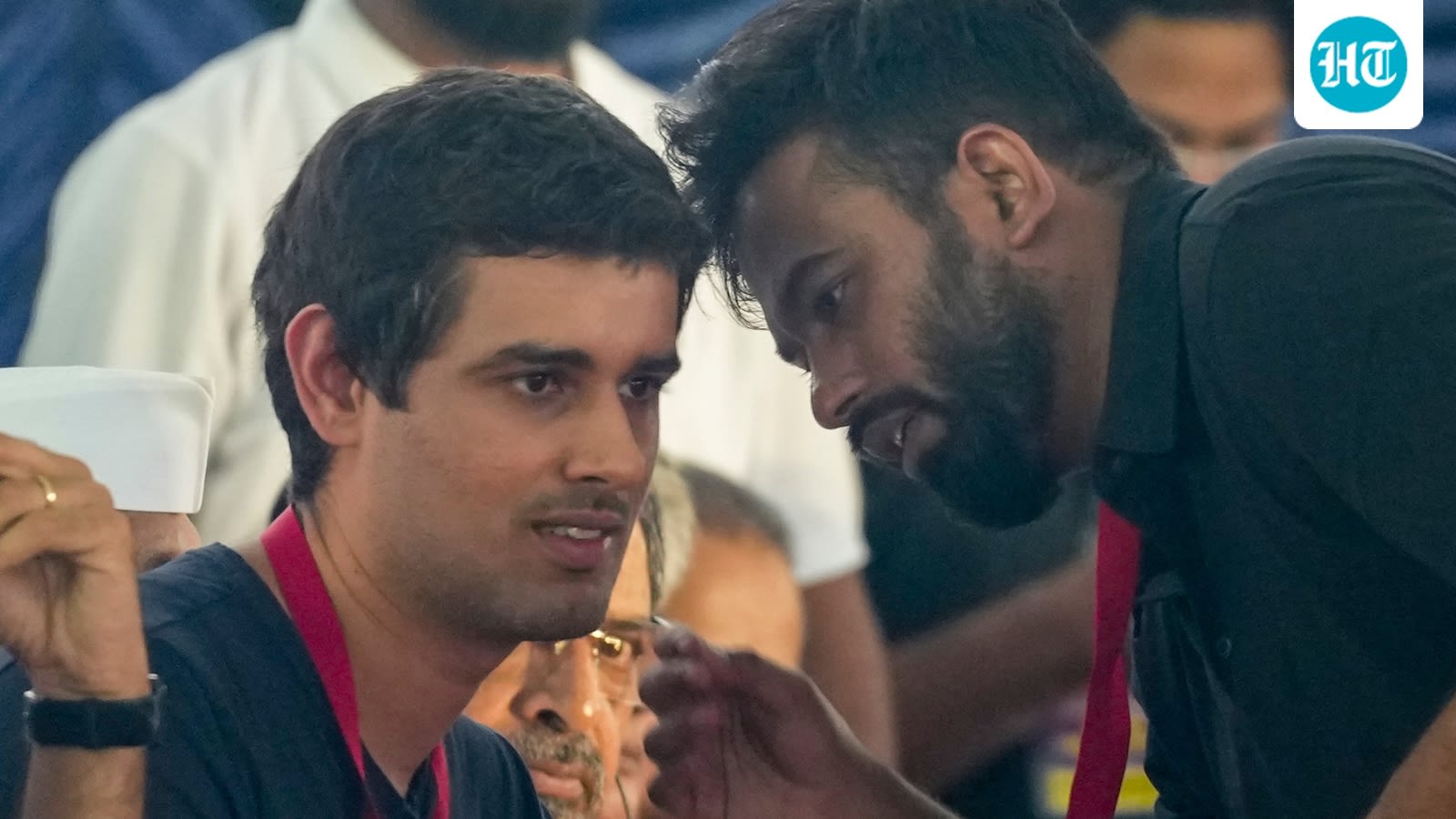
Activist Abhijeet Dipke and student leaders have alleged that the government is suppressing protests against Chief Election Commissioner Gyanesh Kumar. The controversy centers on claims of mass voter deletions and the detention of opposition leaders and students in Delhi.
The Controversy Surrounding CEC Gyanesh Kumar
The political landscape in Delhi has been severely strained following allegations made by Cockroach Janta Party (CJP) founder Abhijeet Dipke regarding the conduct of Chief Election Commissioner (CEC) Gyanesh Kumar. Dipke, alongside student leaders including Neha Bora of the All India Students' Association, has characterized the recent government response to public protests as an extreme attempt to shield the CEC from accountability. These protests, which have persisted for over two weeks, center on demands for the resignation of the election chief amid accusations of administrative bias.
Allegations of Electoral Interference
At the heart of the unrest is the explosive claim by Dipke that over 13 crore voters have been deleted from electoral rolls. Dipke has questioned the legitimacy of this massive reduction, labeling it a "setting" intended to influence future electoral outcomes. By framing these deletions as a deliberate mechanism of disenfranchisement, the movement seeks to challenge the integrity of the Election Commission of India under its current leadership, suggesting that the administrative machinery is being leveraged to predetermine democratic results.
Suppression of Dissent and Civil Liberties
Reports from the ground indicate that the government has implemented extraordinary security measures in the capital to quell these demonstrations. This includes the suspension of rail services and the closure of multiple Metro stations to prevent protesters from reaching gathering points like Jantar Mantar. Dipke and other activists have alleged that students, youth, and high-profile opposition leaders—including Mamata Banerjee, Arvind Kejriwal, and Pinarayi Vijayan—have faced arbitrary detentions. The atmosphere has become increasingly volatile, with reports of journalists being hindered while attempting to document the police action.
The Role of Student and Opposition Coalitions
The protests have forged a rare alliance between student organizations, such as the Students' Federation of India (SFI) and the All India Students' Federation (AISF), and prominent political figures. Activists like Aishe Ghosh and Viraaj Devang, joined by public figures like actor Prakash Raj, have amplified the narrative that the state is prioritizing the protection of one individual—Gyanesh Kumar—over the fundamental rights of its citizens. This coalition argues that the "sweeping curbs" imposed in Delhi are not merely security measures but a calculated effort to silence political opposition.
Broader Implications and Future Outlook
The persistence of this movement suggests a growing crisis of confidence in the autonomous functioning of the Election Commission. If the allegations regarding mass voter deletions remain unaddressed, it is likely that the current wave of civil unrest will continue to escalate, drawing in broader segments of the electorate. The government’s reliance on administrative force to manage these protests risks deepening the divide between the state and the public, potentially setting a precedent for how future electoral grievances are handled. As the political tension continues, the focus remains on whether transparency will be introduced to the voter rolls to address the growing public demand for accountability.
Multiple Citing Sources
Verification Required?