Here are the key things Fed Chairman Kevin Warsh said — and didn’t say — while Americans were sleeping Thursday night
Source Entity
Steve Goldstein
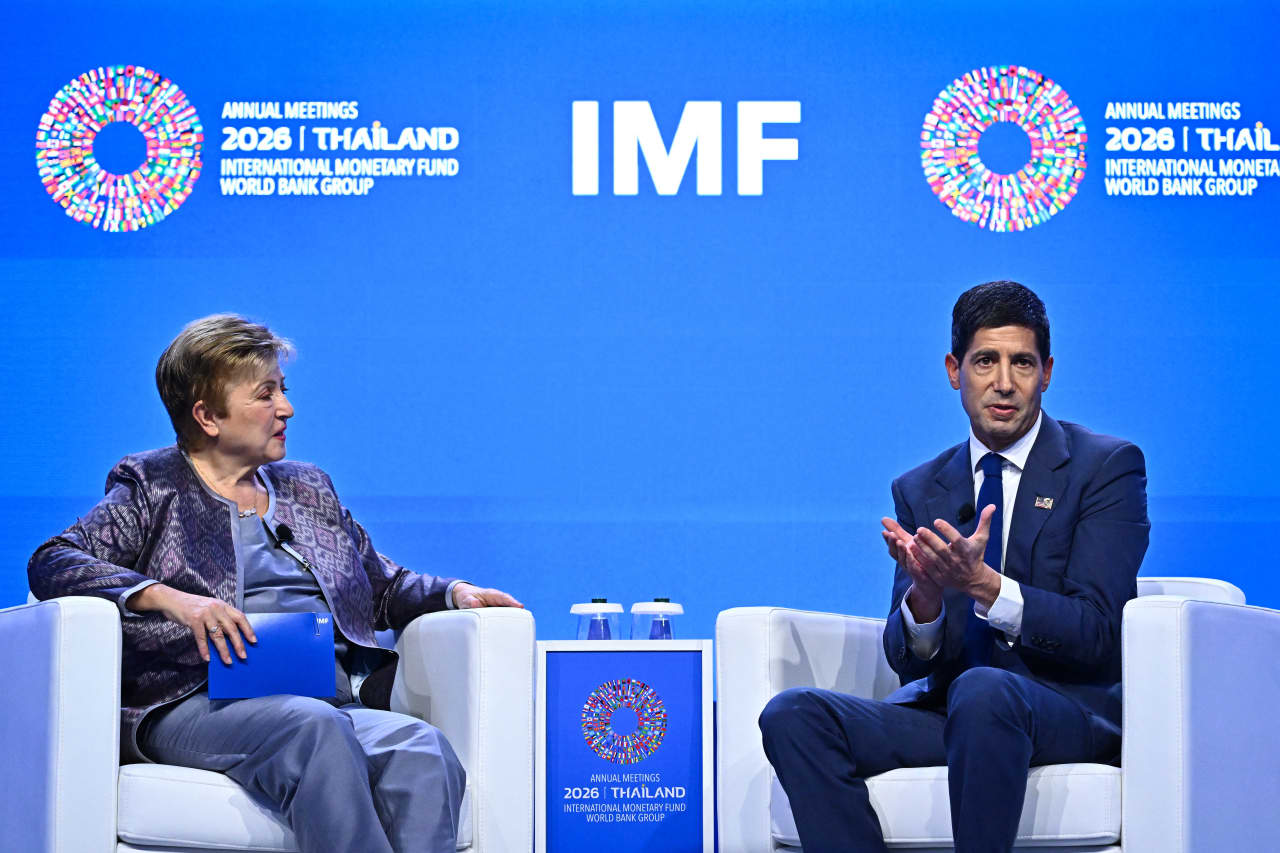
Federal Reserve Chair Kevin Warsh is challenging market expectations by maintaining ambiguity regarding future interest rate hikes. While investors anticipate a pause in October, Warsh's unconventional communication style and focus on inflation keep the possibility of a hike open.
The Warsh Doctrine: Navigating Fed Ambiguity
Federal Reserve Chair Kevin Warsh has positioned himself as a departure from the traditional communication styles of his predecessors. By opting not to provide clear forward guidance ahead of the upcoming interest-rate-setting meeting, Warsh has effectively kept financial markets in a state of suspense. This deliberate ambiguity is not merely a stylistic choice; it represents a strategic maneuver to retain maximum flexibility for the Federal Open Market Committee (FOMC).
Challenging Market Consensus
Currently, market participants are betting heavily that the Federal Reserve will pause interest rate hikes during the October meeting. This consensus is built upon historical patterns of Fed transparency. However, Warsh’s recent remarks at an International Monetary Fund event in Bangkok underscored his refusal to be bound by these traditional expectations. By explicitly stating he was not signaling a decision, he has signaled that the Fed’s future path will be determined by data rather than market-pleasing narratives.
The Inflationary Variable
At the core of Warsh’s cautious stance is an ongoing, persistent concern regarding inflation. While the market may be pricing in a pause, Warsh’s continued focus on price stability suggests that the Fed is not yet convinced the inflationary threat has been neutralized. This creates a disconnect between investor optimism and the central bank’s risk-management framework, leaving the door open for a potential surprise hike should economic indicators warrant such a move.
Revamping Communication Strategies
Beyond immediate rate decisions, Warsh is actively looking to modernize the central bank’s communication toolkit. There is growing sentiment that the existing mechanisms, specifically the 'dot plot,' are ripe for change. By questioning the efficacy of these tools, Warsh is attempting to shift the focus away from rigid, multi-year forecasts and toward a more agile, responsive policy framework that reacts to real-time economic shifts.
The Risks of Non-Traditional Signaling
While Warsh’s approach offers the Fed greater maneuverability, it also introduces significant volatility risks. Financial markets rely on predictability to allocate capital efficiently. By intentionally leaving markets guessing, Warsh risks creating 'policy whiplash' if the committee decides to pivot away from the market’s consensus. This tension between transparency and flexibility will be the defining characteristic of his tenure as he balances the need to manage market expectations with the mandate to curb inflation.
Future Outlook and Policy Implications
As the FOMC meeting approaches, the focus will remain on whether Warsh continues his pattern of calculated silence or moves toward a more structured communication style. The broader implication of his leadership is a move toward a 'data-first' policy that prioritizes central bank independence over the comfort of Wall Street. Should this approach succeed, it could establish a new precedent for how the Federal Reserve interacts with the global financial system, potentially reducing the reliance on forward guidance in favor of more reactive, policy-driven decision-making.
Verification Required?