Rs 8,400 Crore Under Lens: Supreme Court Ruling Jolts Yes Bank Investors, Shares Slide 15%
Source Entity
NDTV News Search Records Found 1000
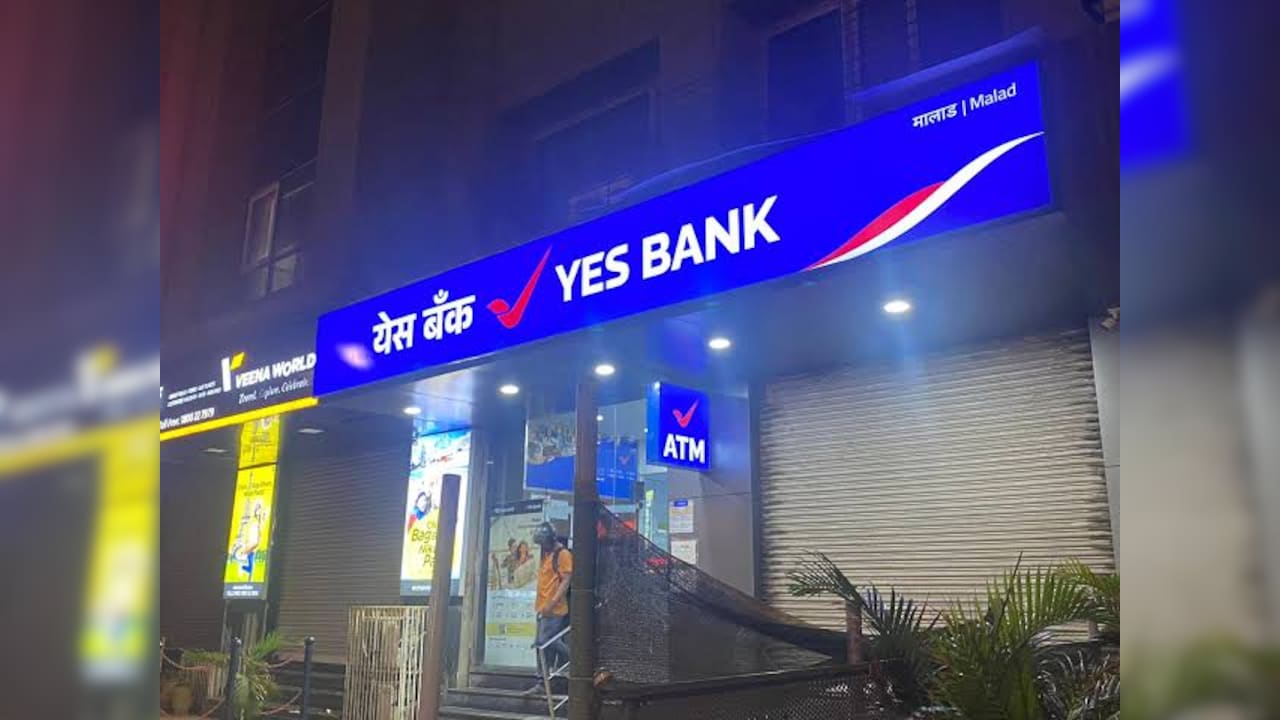
The Supreme Court has upheld the quashing of Yes Bank's Rs 8,415-crore AT-1 bond write-off, originally executed during the 2020 restructuring. The ruling triggered a significant market reaction, causing the bank's shares to plummet by over 14%.
Supreme Court Ruling on Yes Bank AT-1 Bonds
The Judicial Verdict and Immediate Fallout
The Supreme Court of India delivered a landmark judgment on Thursday, upholding the quashing of Yes Bank’s Rs 8,415-crore Additional Tier-1 (AT-1) bond write-off. This decision effectively affirms the earlier ruling by the Bombay High Court from January 20, 2023, which had set aside the controversial write-down. The market reacted sharply to the news, with Yes Bank shares experiencing a significant decline of 14.43%, closing at Rs 18.15 on the stock exchanges.
Origins of the AT-1 Controversy
The dispute centers on the restructuring plan implemented in 2020, during which the bank faced severe liquidity and governance crises. As part of this rescue package, the lender deemed the AT-1 bonds as assets to be written off to absorb losses. Investors who held these high-risk instruments challenged the legality of this move, arguing that the write-down was improperly executed during the bank's transition period, leading to a protracted legal battle that has finally culminated in the Supreme Court's intervention.
Implications for Institutional Investors
Additional Tier-1 bonds are complex financial instruments that act as a hybrid between debt and equity, designed to provide banks with a capital buffer. The Supreme Court's decision to uphold the quashing of the write-off suggests a significant shift in the legal standing of such instruments in India. This ruling forces financial institutions to reconsider how they structure capital-raising exercises and the level of risk disclosure provided to investors, as the enforceability of write-down clauses is now subject to stricter judicial scrutiny.
Regulatory and Corporate Uncertainty
Following the verdict, Yes Bank has stated that it is currently examining the full implications of the judgment before making further regulatory disclosures. The bank’s cautious approach underscores the complexity of reversing a multi-billion rupee write-off that has already been integrated into the bank's balance sheet for several years. The uncertainty regarding how the bank will address the liability associated with these bonds remains a primary concern for shareholders and market analysts alike.
Future Market Trends
This ruling is expected to have a lasting impact on the Indian banking sector, particularly regarding how investors perceive the safety of Tier-1 capital instruments. Going forward, banks may face higher costs of capital if investors demand higher premiums to compensate for the legal risks exposed by this case. The decline in Yes Bank’s share price reflects the market's anxiety over potential financial liabilities, and the bank’s future performance will heavily depend on how it manages the financial recovery of these bond obligations while maintaining its capital adequacy ratios.
Verification Required?