Opinion: Opinion: Ray-Ban's Billionaire Family Drama Is Hitting New Lows
Source Entity
NDTV News Search Records Found 1000
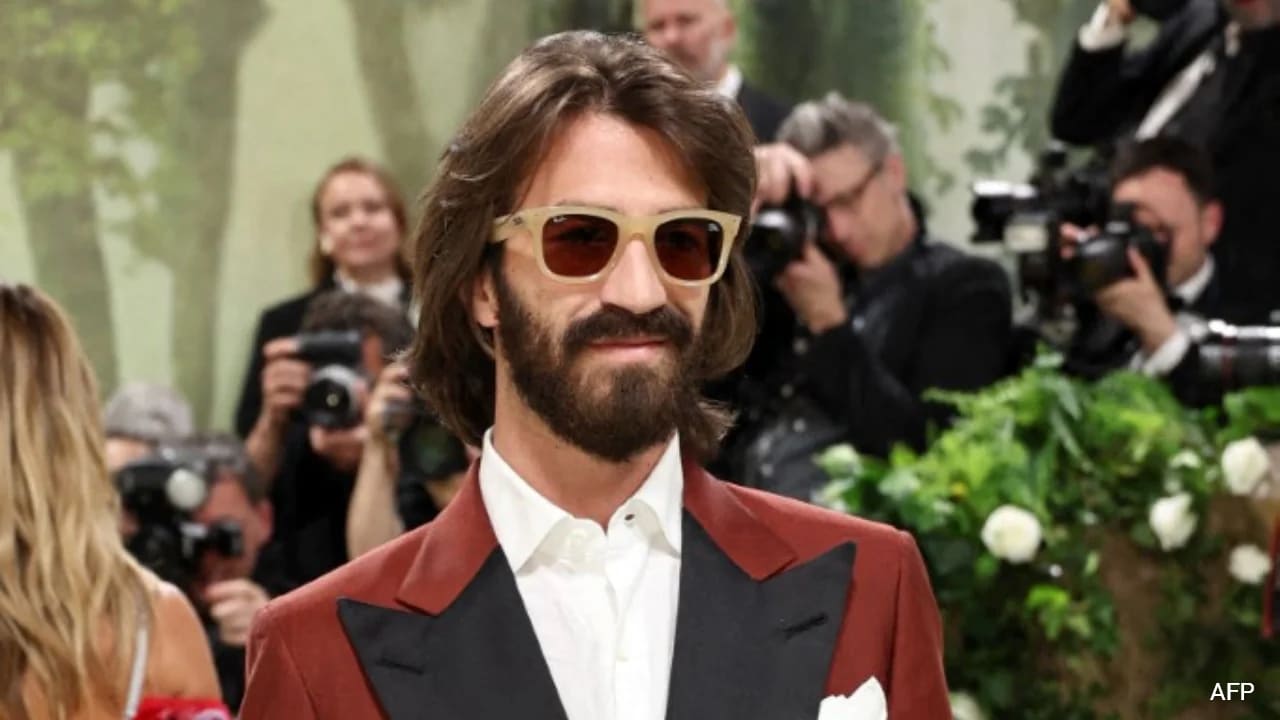
The Del Vecchio family, owners of the Ray-Ban empire, are embroiled in a high-stakes internal power struggle. Leonardo Maria Del Vecchio has emerged as an activist stakeholder, signaling a shift in the company's governance dynamics.
The Del Vecchio Succession and Governance Crisis
The recent internal developments within the Del Vecchio family, the controlling force behind the eyewear powerhouse EssilorLuxottica, mark a significant turning point in the company's history. The transition of the younger generation into active roles has transcended traditional inheritance, evolving into a complex display of corporate activism. This shift is not merely a family dispute; it represents a fundamental change in how the heirs of the late Leonardo Del Vecchio interact with the firm he built into a global titan.
The Rise of Activist Stakeholders
Leonardo Maria Del Vecchio has, in effect, become an activist stakeholder within his own family's firm. This phenomenon is rare among ultra-high-net-worth family dynasties, where internal cohesion is typically maintained behind closed doors. By taking an activist posture, the younger Del Vecchio is signaling a departure from passive wealth management, instead choosing to exert direct influence over the strategic direction and governance of the parent entity.
Broader Implications for Global Luxury
This drama hits new lows in terms of public perception, potentially unsettling investors who value stability in luxury conglomerates. When family dynamics bleed into corporate policy, it creates an atmosphere of uncertainty. The eyewear industry, led by EssilorLuxottica’s dominant market share, relies on a delicate balance of brand prestige and operational efficiency. Internal friction at the highest level of ownership threatens to distract from the long-term strategic goals required to maintain dominance in a highly competitive fashion landscape.
Historical Context of the Empire
To understand the gravity of this situation, one must look at the legacy left by the late Leonardo Del Vecchio, who transformed a small workshop into the world's largest eyewear manufacturer. His ability to acquire iconic brands like Ray-Ban and Oakley was predicated on a singular, centralized vision. The current tension suggests that the transition of power is not proceeding as smoothly as the market had initially hoped, raising questions about the future of the firm's leadership structure.
Future Trends and Market Stability
Looking forward, the role of activist heirs is likely to become a more common feature in family-controlled multinational corporations. As the original founders pass the baton, the new generation’s desire to modernize or alter the course of the business often clashes with established board hierarchies. The ongoing situation with the Del Vecchio family serves as a case study for future governance debates, highlighting the potential for volatility when personal family agendas intersect with public-facing corporate interests.
Conclusion
The situation remains fluid as the family navigates these internal frictions. While the brand equity of Ray-Ban remains robust, the long-term success of the organization will depend on whether these stakeholders can resolve their differences without eroding the structural integrity of the company. Investors will be watching closely to see if this activist approach leads to a new era of governance or a destabilizing period of infighting.
Verification Required?