After Bhagwant Mann, Akal Takht Declares AAP MLA Guilty Of Misconduct
Source Entity
NDTV News Search Records Found 1000
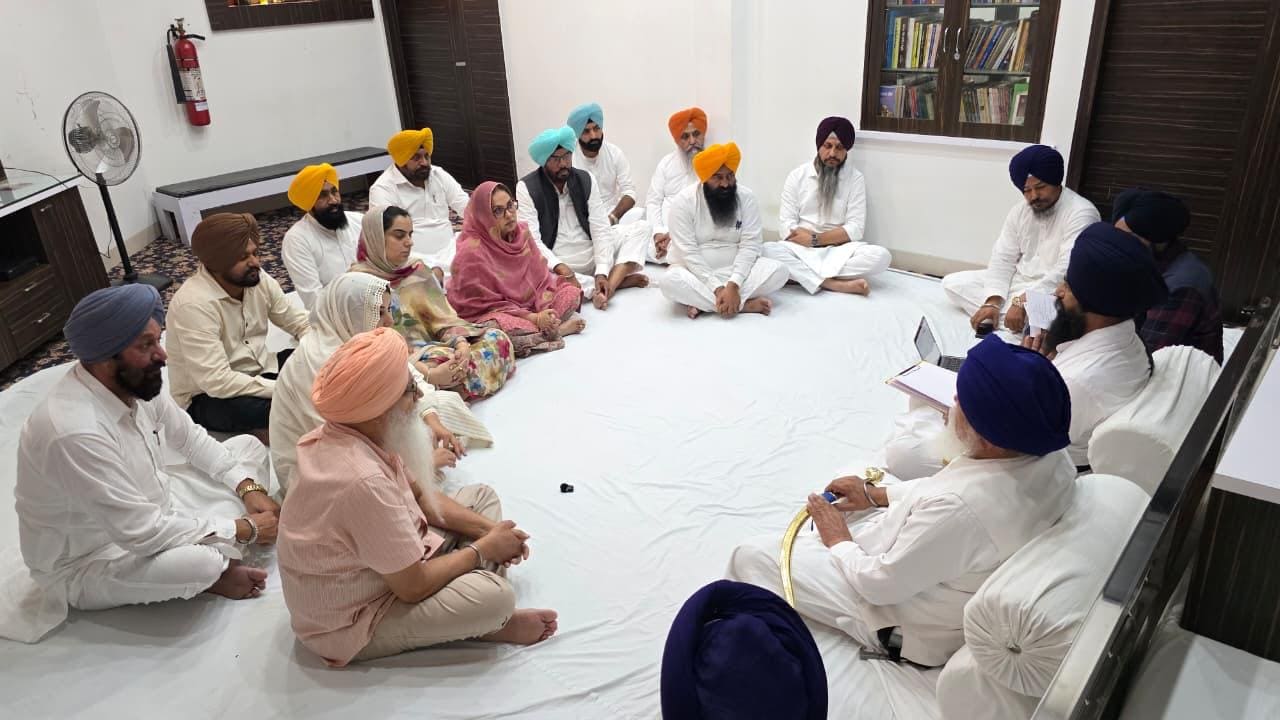
Twelve AAP MLAs have formally apologized to the Akal Takht for failing to challenge caste-bias allegations made by their colleague, Manwinder Singh Giaspura. Consequently, the Akal Takht has declared Giaspura 'Tankhaiya' for his controversial remarks against Sikh institutions.
AAP Legislators Seek Penance Amidst Religious Controversy
In a significant development concerning the intersection of Punjab state politics and Sikh religious authority, twelve Aam Aadmi Party (AAP) MLAs have formally appeared before the Akal Takht to tender a written apology. This act of contrition follows a series of events sparked by Payal MLA Manwinder Singh Giaspura, who alleged that he faced caste-based discrimination while attempting to enter the Akal Takht secretariat on October 12. The delegation of MLAs, led by Inderbir Singh Nijjar, sought to distance their party from Giaspura’s claims, asserting that no such discrimination exists within the Sikh temporal seat.
The 'Tankhaiya' Declaration and Its Significance
The Akal Takht, recognized as the highest temporal authority in Sikhism, has responded decisively to the situation by declaring Manwinder Singh Giaspura 'Tankhaiya'—a term denoting a person who has committed religious misconduct and must undergo a period of penance. This declaration stems from Giaspura’s controversial remarks regarding Sikh institutions and personalities. By formally labeling the MLA as guilty of misconduct, the Akal Takht has underscored the gravity of challenging the sanctity and neutrality of the institution, effectively isolating Giaspura within the religious and political discourse.
Accountability and Political Fallout
The collective apology from the twelve AAP legislators serves as a strategic move to mitigate political damage. By acknowledging their failure to challenge Giaspura’s initial claims at the time they were made, these MLAs are attempting to realign the party with the sentiments of the Sikh community. This incident highlights the delicate balance AAP must maintain in Punjab, where religious institutions hold profound influence over public perception and electoral dynamics. The party’s decision to send a delegation suggests an urgent need to preserve its secular credentials while respecting the authority of the Akal Takht.
Historical Context of Temporal Authority
The Akal Takht has historically acted as a moral compass for the Sikh community, often intervening in matters where political figures are perceived to have overstepped boundaries or insulted religious tenets. The tension between the state's political representatives and the clergy is not new; however, the explicit nature of Giaspura's allegations regarding caste-bias specifically targets the foundational egalitarian principles of the Gurdwara system. The prompt response by the clergy reflects a firm commitment to maintaining the institution’s reputation against accusations of exclusion.
Broader Implications and Future Trends
This incident is likely to have long-term consequences for the political career of Manwinder Singh Giaspura and his standing within the AAP. As the 'Tankhaiya' declaration remains in effect, the party will face continued pressure to demonstrate its deference to religious traditions. Moving forward, this event signals a trend where political actors in Punjab will be increasingly scrutinized for their interactions with religious bodies. The episode serves as a reminder that in the volatile landscape of Punjab politics, the failure to reconcile administrative objectives with religious sensibilities can lead to significant institutional friction and personal political jeopardy.
Verification Required?