Country’s cultural conscience stands with youths brutalised by fascist regime: K.R. Meera
Source Entity
India Latest News: Top National Headlines Today & Breaking News | The Hindu
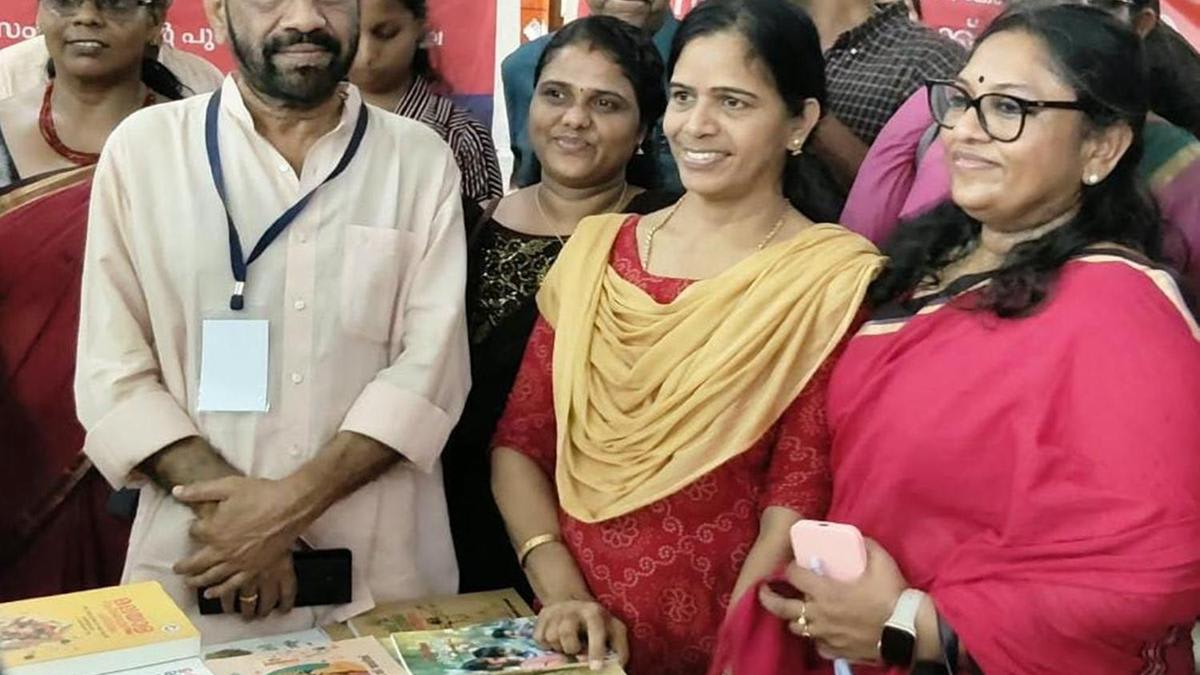
Writer K.R. Meera has condemned the alleged brutalization of youths by a fascist regime, emphasizing the defense of constitutional rights. Speaking at the Thrissur Literary Fest, she aligned the cultural conscience of the nation with those facing state-sanctioned violence.
Literary Voices Against State Authoritarianism
At the inauguration of the three-day Thrissur Literary Fest, renowned writer K.R. Meera delivered a poignant address that placed the current sociopolitical climate of the nation under the microscope. By framing the treatment of protesting youths as a manifestation of a 'fully exposed fascist regime,' Meera has tapped into a growing discourse regarding the erosion of civil liberties and the increasingly volatile relationship between the state and its younger citizens.
The Constitutional Conflict
Central to Meera’s critique is the assertion that the physical violence witnessed on the streets is a direct response to youths exercising their fundamental rights, as guaranteed by the Constitution. This narrative highlights a deepening divide between institutional power structures and the democratic mandate. When citizens are met with physical assault for engaging in peaceful dissent or constitutional advocacy, it suggests an environment where the social contract is under extreme duress, raising concerns about the long-term health of democratic institutions.
Cultural Conscience and Public Discourse
Meera’s declaration that the 'cultural conscience' of the country stands with these youths serves as a call to action for the intelligentsia and the literary community. By positioning writers and cultural organizations, such as the District Library Council, as moral arbiters, she emphasizes the duty of the artistic class to act as a check on state power. This alignment underscores the historical role of literature in India as a bastion of resistance against authoritarian tendencies.
The Role of Literary Festivals
Events like the Thrissur Literary Fest, presided over by figures such as Prof. M. Haridas, have evolved beyond mere celebrations of prose and poetry. In the contemporary context, they function as vital spaces for political reflection and the preservation of dissent. The presence of figures like P.N. Gopikrishnan and M.P. Surendran further solidifies the event as a platform where the intersection of literature and social justice is not just discussed but actively championed.
Institutional Implications and Future Trends
As the state faces growing scrutiny over its treatment of activists and students, the rhetoric used by prominent cultural figures like Meera is likely to influence public perception significantly. The trend suggests that as long as fundamental rights are perceived to be under threat, the literary and academic communities will continue to utilize public forums to amplify their dissent. The ongoing tension between state security apparatuses and individual freedom remains a defining challenge for the nation's democratic trajectory.
Conclusion
In summary, K.R. Meera’s remarks at the Thrissur Literary Fest encapsulate a broader national anxiety regarding the suppression of democratic rights. By bridging the gap between constitutional theory and the lived reality of street-level violence, she has highlighted the critical necessity of a vocal cultural conscience. As these discussions continue to unfold, the role of independent institutions and thinkers will remain paramount in the ongoing struggle to protect and uphold the country’s foundational values.
Verification Required?