
The humidity in Ikeja's Computer Village is a physical weight. You are surrounded by the roar of diesel generators and the smell of ozone. Here, the official exchange rate is a joke. A fiction maintained by the Central Bank of Nigeria (CBN) to keep the peace in boardroom meetings. The real economy lives in the gaps. It lives in WhatsApp groups and Telegram channels where value moves faster than a bank can freeze an account. If you rely on a traditional wire transfer to move goods from Guangzhou to Lagos, you are already losing. You are fighting a ghost.
Banks in Lagos are not tools; they are bottlenecks. They are designed for compliance, not commerce. When the CBN slapped restrictions on cryptocurrency transactions in 2021 (Source: Central Bank of Nigeria, 2021), they thought they could kill the appetite for digital assets. They were wrong. They just pushed the trade underground. Traders did not stop; they evolved. They stopped using exchanges and started using digital proxies—trusted intermediaries who bridge the gap between the Naira and the global dollar.
Prerequisites for the Shadow Trade
You cannot walk into this world with a textbook. You need a specific kit. First, a non-custodial wallet. If a company holds your keys, they can freeze your life. Second, a burner phone. You do not link your primary identity to your high-volume P2P movements. Third, a vetted circle of 'Escrow Agents'. These are the ghosts of the market. They don't have offices. They have reputations. In Lagos, reputation is the only currency that doesn't inflate.
- USDT (Tether) on TRC-20: The gold standard for speed and low fees in West Africa.
- Verified P2P Nodes: Contacts who can liquidate $10k+ in Naira within two hours.
- VPN with Static IP: To avoid triggering fraud alerts on global platforms.
- Offline Ledger: A physical or encrypted record of debts that the bank cannot see.
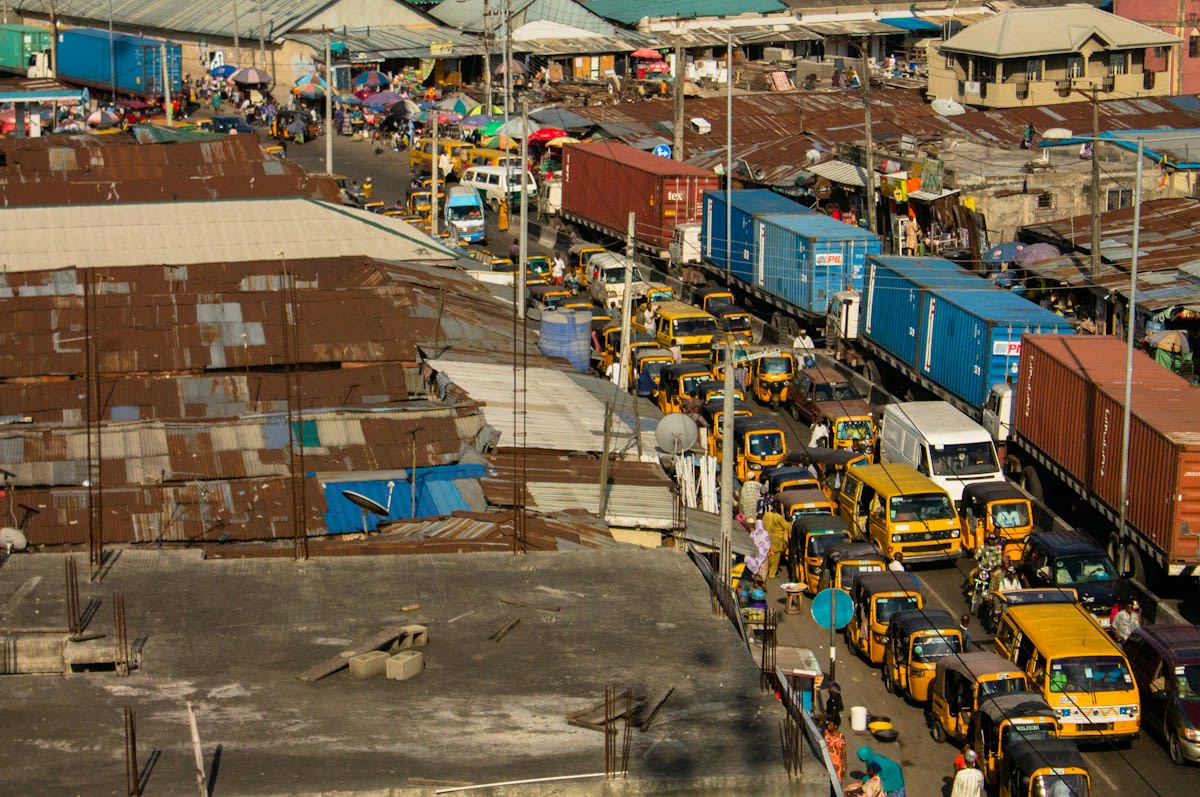
The friction is the point. The banks want to know who you are, where the money came from, and why you are sending it to a supplier in Shenzhen. The proxy doesn't care. The proxy provides a layer of anonymity. You pay the proxy in Naira via a series of fragmented transfers to avoid triggering the automated flags of the Nigerian Inter-Bank Settlement System (NIBSS). The proxy then releases the digital asset to your supplier. It is a game of musical chairs played with millions of dollars.
The Operational Blueprint: Bypassing the Bottleneck
- Identify a Liquid Proxy: Look for agents who operate in Alaba or Computer Village. They must have a proven track record of 'cleaning' Naira into USDT without triggering account freezes.
- Fragment the Entry: Never send a lump sum. Break 10 million Naira into 20 different transfers across five different accounts. This mimics retail behavior and avoids the gaze of compliance officers.
- Execute the Digital Handshake: Use a non-custodial wallet to receive the stablecoins. Confirm the transaction on the blockchain. Do not trust a screenshot; screenshots are the primary tool of the Lagos scammer.
- Settle the Supplier: Forward the USDT to the overseas supplier. The transaction settles in seconds, bypassing the 3-5 day wait time of a SWIFT transfer.
- Reconcile the Shadow Ledger: Record the transaction in your private books. The bank statement will show 'miscellaneous transfers,' but your ledger shows a shipment of 500 laptops.
Why do this? Because the delta between the official rate and the parallel market rate is a profit center. In 2023, the volatility of the Naira created opportunities for those who could move value instantly (Source: Chainalysis, 2023). If you wait for the bank to approve your FX application, the price of your goods has already risen by 15%. Speed is not a luxury; it is the only way to maintain a margin.
"The Nigerian trader is the most resilient financial engineer on earth. They have built a parallel banking system using nothing but trust and a smartphone because the formal system failed them."— Tunde Adeyemi, Fintech Analyst at Lagos Digital Hub
But let's be clear: this isn't some clean, digital utopia. It is a grit-and-grind operation. You are dealing with people who operate in the gray. One bad proxy can wipe out your entire working capital. There is no 'forgot password' button and no ombudsman to complain to when your funds vanish into a wallet in the Seychelles.
Ground-Level Friction: The Ugly Reality
The real fight happens at the 'off-ramp'. Turning USDT back into Naira is where the danger peaks. Banks use AI to detect P2P patterns. If your account suddenly receives twenty transfers of 200,000 Naira from unrelated individuals, the bank will freeze your account for 'suspicious activity'. This is the nightmare of the Lagos trader. You have the money, but you cannot touch it. You spend weeks in a bank branch, arguing with a manager who doesn't understand what a stablecoin is, trying to prove you aren't laundering money for a cartel.
Then there is the human ego. Proxies often grow too big for their boots. They start charging 'premium' fees during currency crashes. They might hold your funds hostage for an extra 2% because they know you have a shipment arriving at the port. It is a relationship based on mutual distrust. You trust them because you have to, but you always keep a backup proxy on standby. In this game, loyalty lasts exactly as long as the liquidity does.
Political infighting adds another layer of risk. A change in leadership at the CBN can lead to a sudden crackdown on specific P2P hubs. One morning, the 'safe' route is suddenly the target of a regulatory sweep. The traders don't panic; they just shift their traffic to a different set of proxies. It is a biological system—it adapts, it heals, and it finds a way around the blockage.
Common Pitfalls for Beginners
- Using Centralized Exchanges (CEX) for high-volume off-ramping: This is a fast track to a frozen bank account.
- Trusting 'New' Proxies with Large Sums: Never test a new agent with more than 5% of your total volume.
- Ignoring Network Fees: Using Ethereum (ERC-20) instead of Tron (TRC-20) will eat your margins in gas fees.
- Mixing Personal and Business Wallets: If one is flagged, both are burned.
If you are still trying to use the official channels, you are essentially paying a tax on your own inefficiency. The digital proxy system isn't about avoiding taxes—though some do—it is about surviving a broken financial architecture. The traders in Lagos have realized that the bank is not their partner; the bank is a regulator. And you do not partner with your regulator; you navigate around them.
Fact-Check & Accuracy Note
Settled: P2P trading volume in Nigeria remains among the highest globally despite regulatory bans (Source: Chainalysis, 2023). Debated: The exact percentage of 'grey market' trade versus total import volume. Official figures likely underreport the scale of digital proxy usage by 40-60% due to the nature of shadow ledgers.