Watch: Can humpback whales experience grief?
Source Entity
BBC News
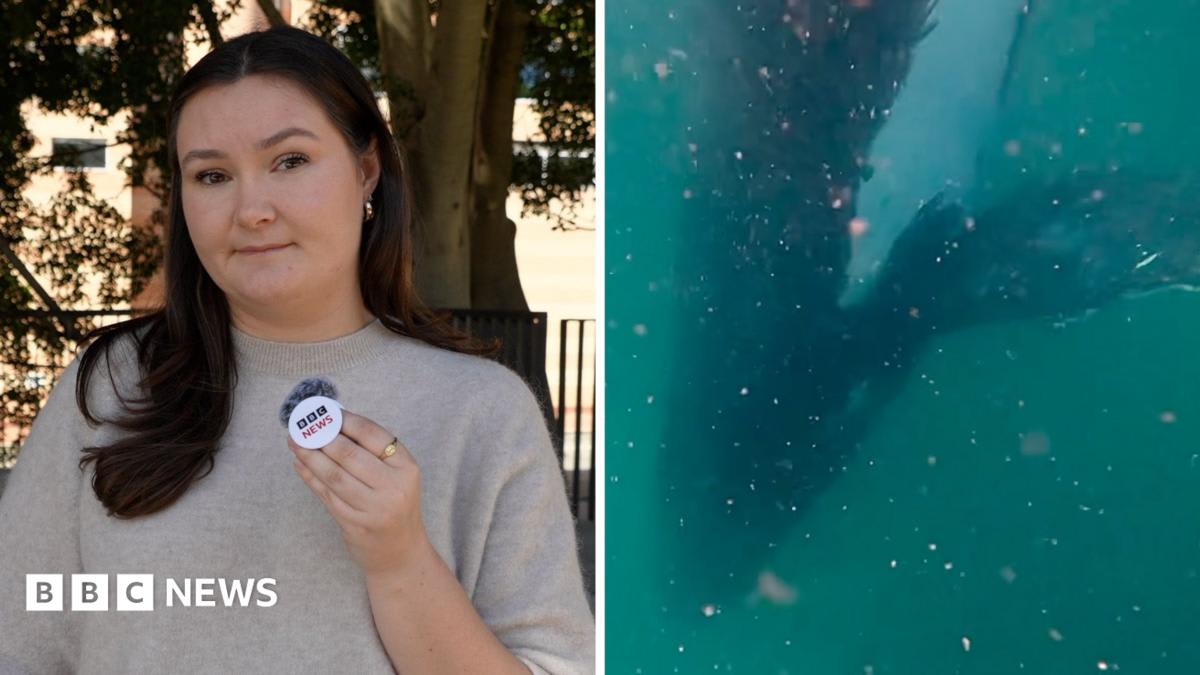
Researchers off Australia's Gold Coast have captured rare footage suggesting humpback whale mothers may exhibit signs of grief following the death of their calves. This study, led by Griffith University and the Sea World Foundation, offers new insights into cetacean emotional intelligence.
Investigating Cetacean Emotional Depth
Recent scientific observations conducted off the coast of Australia have ignited a profound conversation regarding the emotional complexity of marine mammals. Researchers from Griffith University, in collaboration with the Sea World Foundation, have documented rare footage of a humpback whale mother interacting with her deceased calf. This sighting, occurring off the Gold Coast, provides a unique window into the behavioral patterns of these giants, suggesting that the maternal bond in humpback whales may extend far beyond simple biological survival instincts.
The Science of Observed Grief
The concept of grief in non-human animals has long been a subject of intense debate within the scientific community. While anthropomorphism—the attribution of human traits to animals—is a constant concern for researchers, the specific behaviors observed during this incident mirror patterns seen in other highly intelligent, social species. By documenting these interactions, the Griffith University team is contributing to a growing body of evidence that suggests cetaceans possess a level of social awareness and emotional depth previously underestimated by science.
Why This Sighting Is Exceptionally Rare
Observing such delicate moments in the wild is notoriously difficult due to the migratory nature and vast range of humpback whales. The Gold Coast serves as a vital corridor for these creatures, yet the window to witness a calf loss is incredibly narrow. The collaborative effort between academic researchers and organizations like the Sea World Foundation is essential for data collection of this caliber, as it requires both sustained monitoring and the ability to interpret complex animal behavior in real-time.
Broader Implications for Marine Biology
If confirmed, the existence of grief in humpback whales would necessitate a shift in how we perceive marine conservation and animal welfare. Understanding that these animals may process loss in a manner akin to grief underscores the importance of protecting their habitats from anthropogenic stressors. Noise pollution, shipping traffic, and changing ocean temperatures are not just physical threats; if whales possess deep emotional lives, these external pressures could have psychological consequences that impact population health.
Future Trends in Cetacean Research
Moving forward, this study is likely to inspire more targeted research into the social structures of humpback pods. As technology improves, including the use of high-definition drone footage and passive acoustic monitoring, scientists will be better equipped to document the internal lives of these whales without human interference. This incident serves as a foundational case study for future longitudinal research into how marine mammals navigate the loss of offspring within their social groups.
Conclusion
The observation off the Gold Coast is a significant milestone in our understanding of humpback whale behavior. While the scientific community remains cautious, the evidence provided by the Griffith University and Sea World Foundation team invites us to rethink the boundaries of animal emotion. As we continue to study these magnificent creatures, we are reminded that their world is far more interconnected and complex than we ever dared to imagine.