AI can be used to map hazards during disasters like Nepal floods: Kamal Bawa, Founder, ATREE
Source Entity
Venkatesh Kannaiah
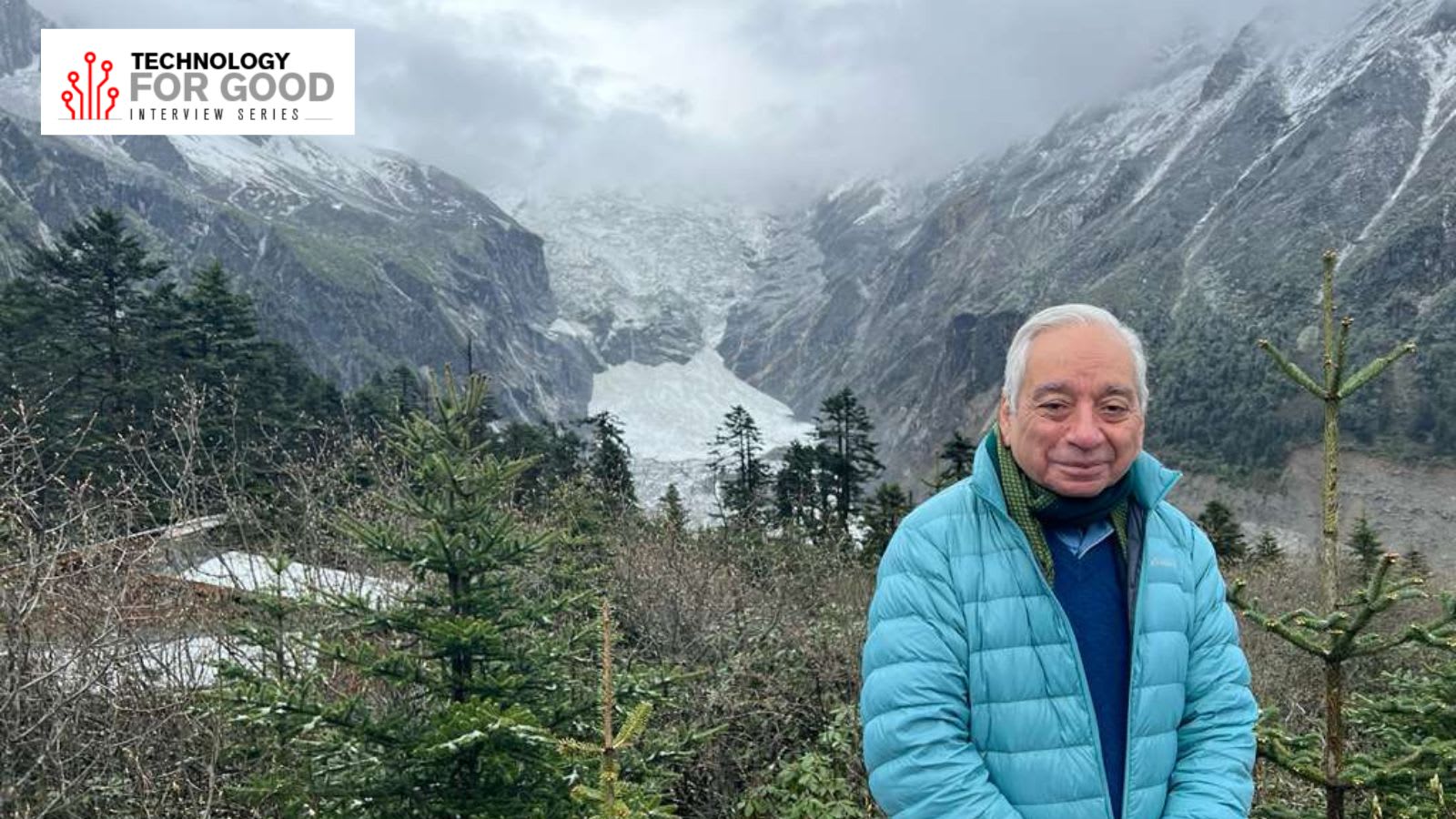
Kamal Bawa of ATREE highlights how artificial intelligence can revolutionize disaster management and biodiversity conservation in the Himalayan region. By leveraging predictive modeling, AI tools could help mitigate the impact of catastrophic events like the recent Nepal-Tibet floods.
The Intersection of AI and Himalayan Disaster Resilience
Kamal Bawa, the founder of the Bengaluru-based Ashoka Trust for Research in Ecology and the Environment (ATREE), has brought critical attention to the role of artificial intelligence in addressing the climate vulnerability of the Himalayan region. As a distinguished professor of Biology at the University of Massachusetts, Boston, and a recipient of prestigious honors like the Gunnerus Prize in Sustainability Science, Bawa offers a unique perspective on how modern technological advancements can be integrated with ecological research to protect fragile ecosystems.
Leveraging Technology for Disaster Prediction
The recent, devastating floods in the Nepal-Tibet region underscore the urgent need for advanced predictive capabilities. Bawa argues that AI-driven models possess the potential to map hazards with unprecedented accuracy, allowing for better preparedness and response. By synthesizing vast amounts of geographical and meteorological data, AI can assist scientists and policymakers in identifying high-risk zones before a disaster occurs, effectively transitioning disaster management from a reactive to a proactive paradigm.
Biodiversity Conservation in a Changing Climate
Beyond immediate disaster mitigation, Bawa’s work through ATREE’s Himalaya Initiative focuses on the broader implications of climate change on biodiversity. With a career spanning over 200 research papers and 10 books, he emphasizes that the health of the Himalayas is inextricably linked to global climate stability. AI is now emerging as a transformative tool in this field, enabling researchers to monitor species distribution, track habitat loss, and model the long-term impacts of shifting environmental patterns in real-time.
The Role of Academic Expertise
Bawa’s dual role as an academic and an environmental activist provides a comprehensive framework for sustainability. His recognition through the MIDORI Prize and the Linnean Medal reflects the weight of his contributions to biodiversity conservation. By bridging the gap between sophisticated biological research and practical technological application, he advocates for a data-centric approach to environmental stewardship that is essential for the survival of mountain communities.
Future Trends and Policy Implications
Looking ahead, the integration of AI into environmental science is likely to become a cornerstone of international conservation efforts. As predictive tools become more accessible, the focus will shift toward scaling these technologies to suit the complex topography of the Himalayas. Bawa’s insights suggest that the future of disaster resilience lies in the synergy between rigorous, field-based ecological data and the computational power of artificial intelligence, providing a scalable model for other climate-vulnerable regions globally.