'India has entered 2nd phase of semiconductor journey': PM Modi at Semicon event
Source Entity
ARYAN SINGH
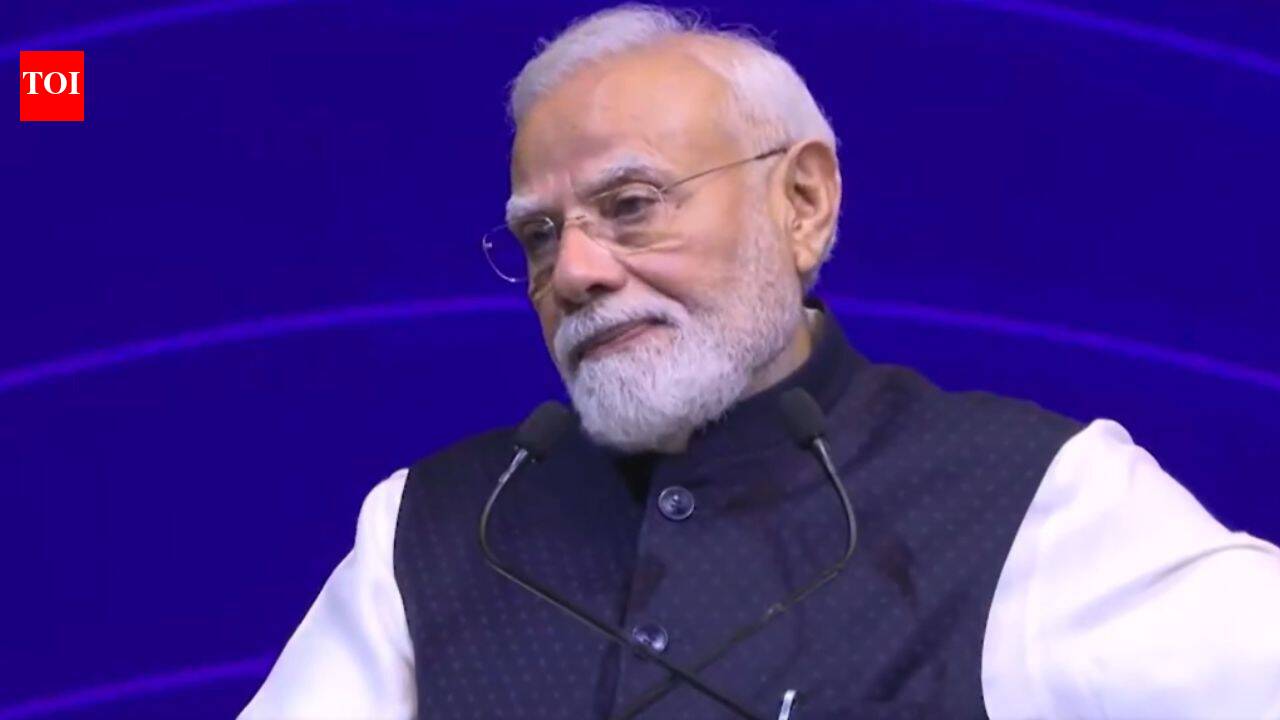
Prime Minister Narendra Modi has inaugurated Semicon India 2026, marking the nation's transition from capacity building to commercial chip production. The event highlights India's emergence as a trusted global hub for semiconductor manufacturing and supply chain diversification.
India’s Strategic Pivot: Entering the Second Phase of Semiconductor Manufacturing
Prime Minister Narendra Modi’s inauguration of the fifth edition of Semicon India 2026 at Yashobhoomi, New Delhi, marks a pivotal shift in India’s industrial trajectory. By declaring that the nation has entered the "second phase" of its semiconductor journey, the government is signaling a definitive move from foundational policy-making and infrastructure development to active commercial chip production. This transition, achieved within just four years, reflects an accelerated timeline that the Prime Minister noted typically spans a decade in other global contexts.
Building a Trusted Global Alternative
The central theme of this year’s conference, ‘Silicon to Systems: Building the Ecosystem,’ underscores a strategic effort to position India as a reliable and trusted base for global semiconductor manufacturing. In an era where geopolitical tensions and supply chain vulnerabilities have prompted major global firms to seek diversification, India is presenting itself as a stable, long-term alternative. This pitch is not merely aspirational; it is grounded in the rapid development of a semiconductor base that was virtually non-existent five years ago.
The Ecosystem Approach: From Silicon to Systems
Unlike previous efforts that focused on isolated manufacturing units, the 2026 edition of Semicon India emphasizes an integrated value chain. By bringing together policymakers, global investors, researchers, and academic institutions, the event aims to foster a holistic environment. The focus on 'Silicon to Systems' implies that India is looking beyond the fabrication of basic wafers and is instead targeting the entire electronics value chain, including display technologies and advanced system design.
Talent Development and Infrastructure
A critical component of this second phase is the emphasis on nurturing a specialized workforce. As India scales its production capabilities, the demand for high-end technical talent becomes paramount. The conference serves as a hub for academic-industry collaboration, ensuring that the next generation of engineers is equipped to thrive in this advanced sector. Simultaneously, the government is focusing on the rapid expansion of infrastructure, which is essential to support the high-intensity requirements of semiconductor fabrication plants.
Future Outlook and Economic Implications
Looking ahead, the success of India’s semiconductor ambitions will likely be measured by the scale of commercial output and the integration of these chips into global consumer and industrial products. The transition to commercial production is expected to reduce reliance on imports and boost the domestic electronics manufacturing sector significantly. If India maintains this momentum, it could fundamentally alter its position in the global technology hierarchy, transforming from a consumer of high-tech components into a primary global supplier.
Conclusion
Semicon India 2026 represents more than just a conference; it is a declaration of India’s technological maturity. By moving past the initial hurdles of capability building, the nation is now focused on the rigorous, long-term challenge of commercializing chip production. As the global supply chain continues to evolve, India’s readiness to provide a trusted, scalable, and innovation-driven environment will be the key driver in its goal to become a global leader in the semiconductor space.