A definitive guide to 454 species of mammals in India, from elephants and tigers to bats
Source Entity
Nikhil Ghanekar
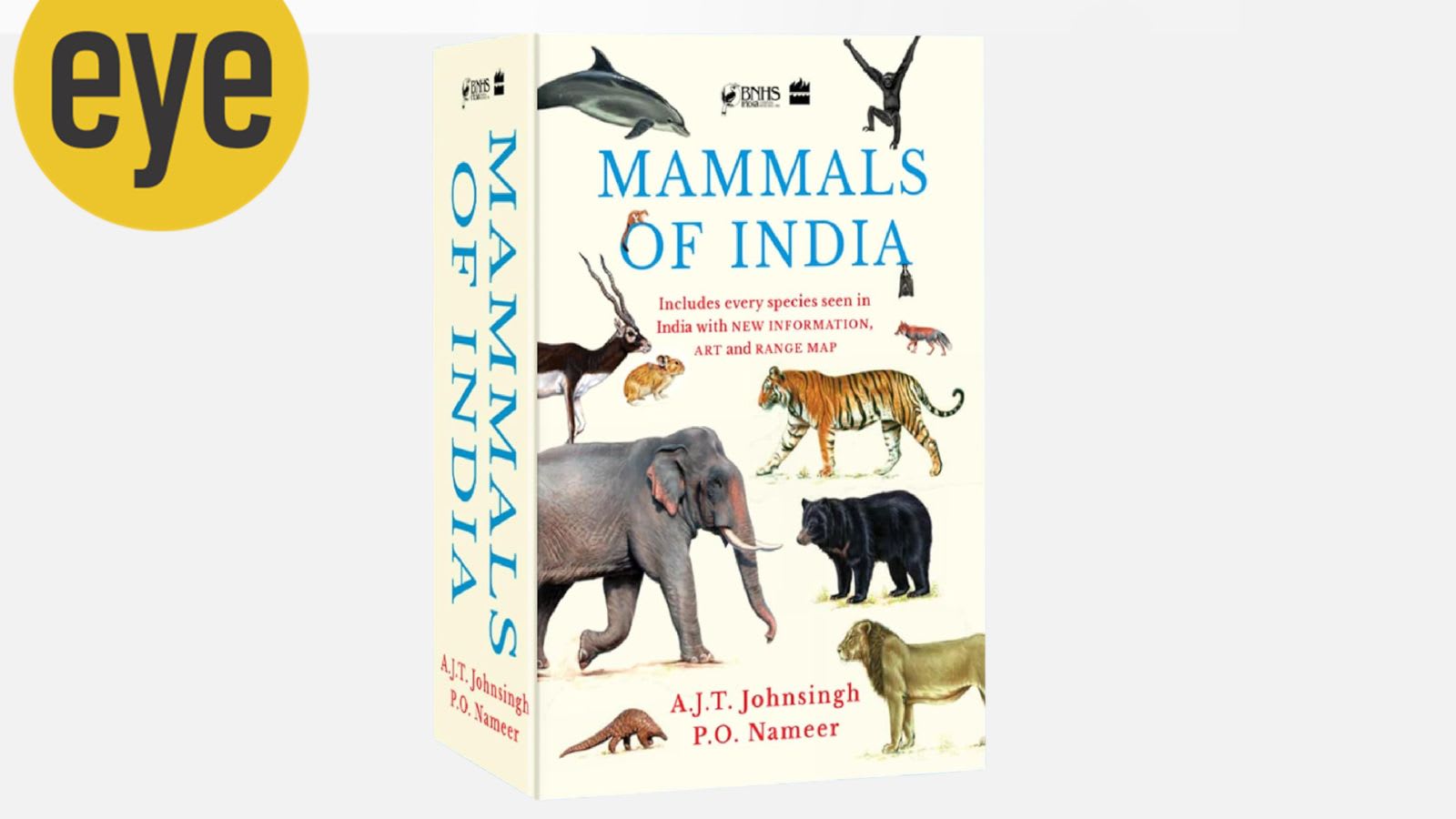
The new 800-page guide 'Mammals of India' offers a comprehensive look at 454 species, blending scientific rigor with accessible design. Authored by the late A.J.T. Johnsingh and P.O. Nameer, it serves as a vital resource for both expert researchers and students.
A Landmark Contribution to Indian Biodiversity
The publication of Mammals of India marks a significant milestone in the documentation of South Asian wildlife. Spanning over 800 pages, this comprehensive guide catalogs 454 mammalian species, ranging from megafauna like the Asian elephant and the Bengal tiger to the often-overlooked diversity of bats. By consolidating vast amounts of ecological data into a single volume, the book addresses a long-standing need for a definitive, up-to-date reference for India’s unique mammalian landscape.
Bridging the Gap Between Science and Accessibility
Despite its massive scope, the guide is praised for its fluid design, which balances academic depth with user-friendly navigation. The inclusion of detailed distribution maps and high-quality illustrations transforms the text from a purely clinical reference into an accessible tool. This design philosophy ensures that the work remains relevant to a diverse audience, serving the needs of seasoned field researchers while simultaneously sparking curiosity in school children and amateur naturalists.
The Visionaries Behind the Work
This monumental project is the result of a collaboration between two stalwarts of wildlife biology: the late A.J.T. Johnsingh and P.O. Nameer. Dr. Johnsingh, a renowned biologist who passed away in June 2024, was a towering figure in Indian conservation, and this book serves as a fitting testament to his lifelong dedication to the field. His co-author, P.O. Nameer, a professor at the College of Climate Change and Environmental Science at Kerala Agricultural University, brings academic rigor to the project, ensuring that the anatomical, dietary, and habitat-related data provided are of the highest scientific standard.
Documenting Ecological Complexity
Capturing the sheer breadth of India's mammalian diversity is a task of immense complexity. The authors have meticulously synthesized information regarding the food habits, specific habitat requirements, and anatomy of each species. This level of detail is critical for modern conservation efforts, as understanding the specific niches occupied by various species is essential for effective habitat management and mitigating human-wildlife conflict in an increasingly fragmented landscape.
Implications for Conservation and Future Trends
Looking ahead, Mammals of India is poised to become a foundational text for the next generation of conservationists. As climate change continues to alter the distribution of species across the Indian subcontinent, having a baseline reference of 454 species will allow researchers to track shifts in population ranges and health more effectively. The legacy of Johnsingh and the continued efforts of Nameer ensure that this guide will remain an essential component of India’s environmental literature for decades to come, fostering a deeper appreciation for the nation's rich natural heritage.