Scientists develop new method for deciphering ancient scrolls
Source Entity
Jennifer Ouellette
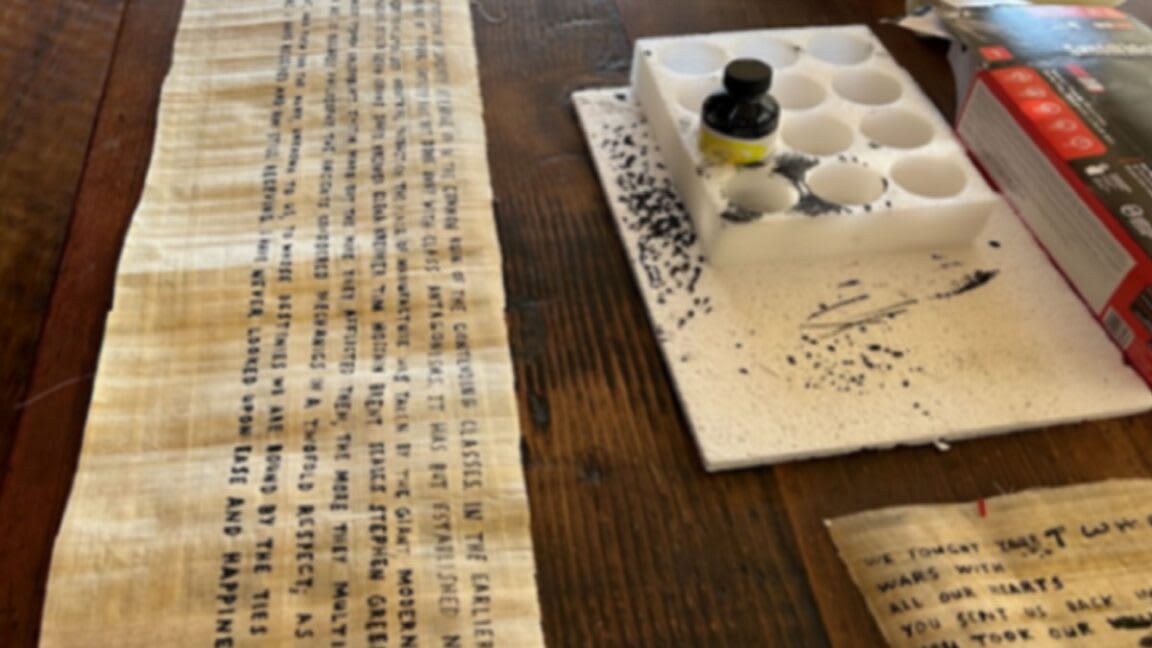
Researchers have developed a non-invasive screening method to identify Herculaneum scrolls containing lead-based ink using handheld XRF scanners. This advancement bolsters the Vesuvius Challenge by prioritizing the most readable papyri for digital unwrapping.
Breakthrough in Papyrology: Advancing the Vesuvius Challenge
The Vesuvius Challenge represents one of the most ambitious intersections of history and modern technology. At its core, the project seeks to recover the lost knowledge contained within the Herculaneum scrolls—ancient papyri carbonized by the 79 AD eruption of Mount Vesuvius. Because these artifacts are too fragile to be physically unrolled, researchers have turned to "digital unwrapping" and machine learning to peer inside. The recent development of a new screening method, as published in PLoS ONE, provides a vital filter for this massive undertaking.
Validating the Science Through Replication
To ensure the efficacy of their analysis, researchers created contemporary model papyrus scrolls and subjected them to the same extreme conditions as the originals. By charring these replicas, the team was able to validate a methodology designed to detect lead-based ink. This experimental approach serves as a crucial control, ensuring that the techniques applied to priceless archaeological artifacts are grounded in proven physical behavior rather than theoretical guesswork.
The Role of Portable XRF Scanners
Perhaps the most significant aspect of this discovery is the utility of handheld XRF (X-ray fluorescence) scanners. By using these portable devices, scientists can now quickly determine which scrolls contain lead-based ink without subjecting the fragile remains to invasive laboratory procedures. This non-destructive screening process acts as a triage system, allowing researchers to prioritize the most promising scrolls for the more computationally expensive and time-consuming process of digital unwrapping.
Bridging the Gap Between History and Data
This methodology addresses a fundamental bottleneck in the Vesuvius Challenge: the sheer volume of material versus the limited resources available for processing. By filtering out scrolls that are unlikely to yield readable text due to ink composition, the project can focus its crowdsourced machine learning efforts on documents with the highest probability of success. This optimization is essential for scaling the project to eventually uncover the hidden literary and philosophical works of the Roman era.
Broader Implications for Archaeology
Beyond the specific context of Herculaneum, this technique sets a precedent for how we interact with damaged historical artifacts. The ability to use portable technology to "read" the chemical composition of hidden layers suggests a future where more of the world's fragile history can be recovered without physical intervention. As we refine these tools, the gap between the physical decay of an object and the preservation of its information continues to shrink.
Future Trends in Digital Restoration
Looking ahead, the integration of portable chemical analysis with advanced imaging will likely become the gold standard for papyrology. As machine learning models grow more sophisticated, the speed and accuracy of reading these "unreadable" scrolls will increase. The synergy between the Vesuvius Challenge and these new screening techniques signifies a new era of discovery, where the secrets of the ancient world are finally being unlocked through the convergence of chemistry, physics, and artificial intelligence.