El Nino Puts India On Track For Its Driest Monsoon In 17 Years
Source Entity
NDTV News Search Records Found 1000
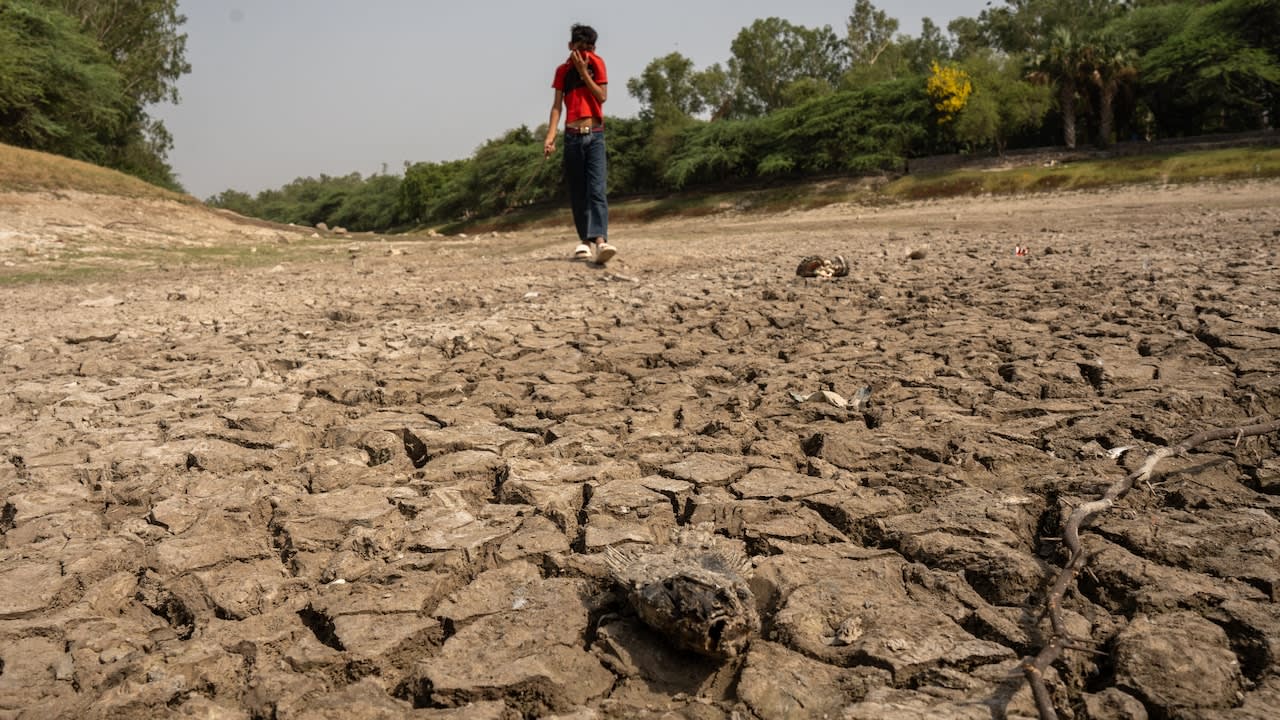
India is currently facing its driest monsoon season in 17 years due to the impact of El Nino. The rainfall deficit of 15% threatens to make this the weakest monsoon period since 2009, raising significant concerns for the country's agricultural sector.
The Impact of El Nino on India's Monsoon
India is currently navigating a precarious climatic situation, as the monsoon season—the lifeblood of the nation's agrarian economy—is trending toward its driest performance in 17 years. With rainfall currently recorded at 15% below the long-period average, the country faces the grim prospect of the weakest monsoon since 2009. This shortfall is not merely a statistical anomaly but a direct consequence of the El Nino phenomenon, which disrupts global weather patterns and often suppresses rainfall over the Indian subcontinent.
The El Nino Connection
El Nino, characterized by the periodic warming of sea-surface temperatures in the central and eastern Pacific Ocean, acts as a primary driver of this climatic volatility. Historically, El Nino years have a strong correlation with diminished rainfall in India, as the atmospheric shifts alter the circulation patterns that typically draw moisture-laden winds across the Indian Ocean. The current 15% deficit highlights the intensity of this year's climate cycle, which is exerting significant pressure on meteorological models and agricultural planning.
Agricultural and Economic Implications
Because a vast majority of Indian agriculture relies on rain-fed irrigation, a monsoon deficit of this magnitude carries profound economic implications. The agricultural sector is highly sensitive to the timing and distribution of these rains; when the monsoon fails to meet expectations, it threatens the yields of critical Kharif crops such as rice, pulses, and oilseeds. This volatility often leads to increased food inflation, as supply chain disruptions and lower production volumes drive up prices for staple commodities in domestic markets.
Historical Context and Comparison
To understand the severity of the current situation, one must look back at 2009, which remains a benchmark for poor monsoon performance in recent history. The 2009 drought had wide-reaching effects on national food security and forced the government to implement various relief measures to support farmers. The fact that the current season is approaching these levels suggests that policymakers must once again prepare for potential water scarcity, reduced reservoir levels, and the need for targeted intervention to protect vulnerable farming communities.
Future Trends and Resilience
Looking forward, the trend toward more frequent and intense El Nino events underscores the urgent need for climate-resilient agricultural strategies. As India deals with this year's 15% deficit, the focus will likely shift toward improving irrigation infrastructure, promoting drought-resistant crop varieties, and enhancing early-warning systems for meteorological events. While the immediate concern remains the current rainfall shortfall, the long-term challenge lies in adapting to a changing climate that makes traditional monsoon patterns increasingly unpredictable.
Verification Required?