Bill Gates backs cattle methane-cutting tech: Could it help fight climate change
Source Entity
TOI TECH DESK
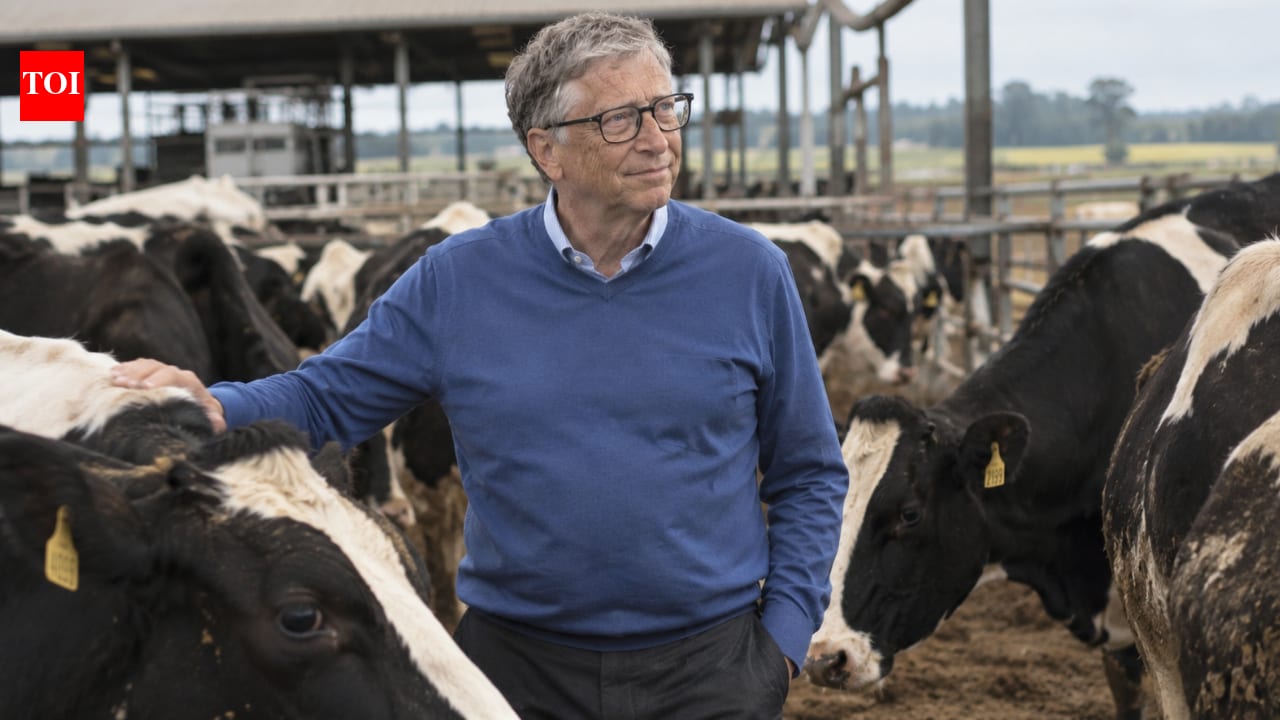
Bill Gates-backed firm Rumin8 is developing synthetic bromoform to reduce methane emissions from cattle. This technology targets the digestive process of ruminant livestock to mitigate their significant impact on climate change.
The Methane Challenge in Modern Agriculture
Cattle farming has emerged as a focal point for climate scientists and technology companies globally. As ruminant livestock—including cows, sheep, and goats—digest their food, they naturally release methane through a process known as enteric fermentation. While methane is shorter-lived in the atmosphere than carbon dioxide, it is significantly more potent as a greenhouse gas, making the livestock sector a critical target for meaningful climate action.
The Role of Breakthrough Energy Ventures
Recognizing the urgency of this issue, Breakthrough Energy Ventures, a climate investment firm backed by Bill Gates, has directed funding toward Rumin8. This Australian start-up is at the forefront of developing innovative nutritional additives designed to alter the digestive chemistry of cattle. By targeting the source of emissions at the biological level, investors hope to decouple meat and dairy production from the heavy environmental footprint traditionally associated with ruminant farming.
Scientific Mechanism: The Power of Synthetic Bromoform
At the heart of this research is the use of synthetic bromoform. Scientists have identified that certain compounds can inhibit the enzymes that methanogenic microbes use to produce methane in the cow's rumen. By introducing a synthetic version of bromoform, researchers aim to safely suppress these microbes, potentially leading to a significant reduction in the methane released during the animal's digestive process. This approach is currently being evaluated through rigorous research, including specific studies on pasture-fed cattle.
Insights from Recent Studies
Recent data, including findings from a 2025 cattle study, have provided essential insights into the efficacy of these additives. Testing the technology in real-world environments, such as pasture-fed cattle systems, is vital for understanding how these supplements perform outside of controlled laboratory settings. These studies are instrumental in determining whether synthetic bromoform can maintain consistent methane suppression while ensuring the health and productivity of the livestock remain uncompromised.
Scaling for Global Impact
Despite the scientific promise, the transition from successful pilot studies to global agricultural adoption faces significant hurdles. Scaling the production and distribution of synthetic bromoform to reach millions of head of cattle worldwide presents a logistical and economic challenge. Furthermore, ensuring that such additives are palatable to cattle and easy for farmers to integrate into daily feeding routines will be essential for widespread adoption.
Future Outlook for Sustainable Livestock
Looking toward the future, the integration of methane-reducing technologies could redefine the livestock industry's role in the global climate strategy. If these solutions prove to be scalable, cost-effective, and safe, they could provide a pathway for sustainable animal husbandry in a warming world. Continued investment and ongoing research will remain the primary drivers in determining whether this technology can move from experimental trials to a standard component of global agricultural practices.