Finding the cells that put our brain to sleep
Source Entity
Jacek Krywko
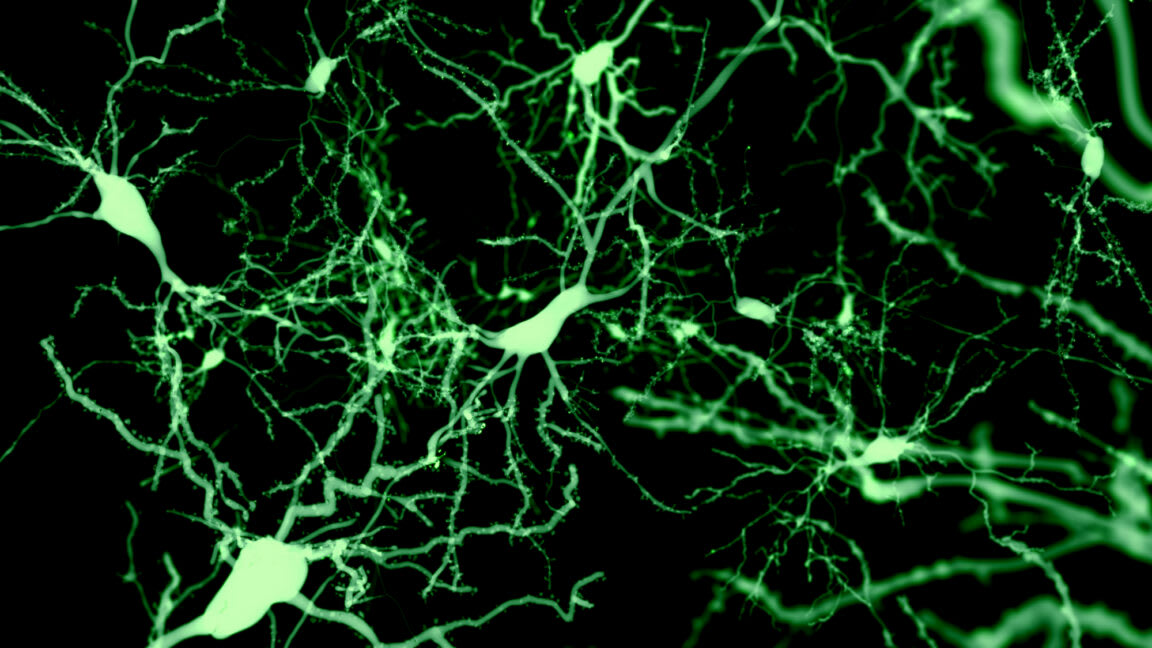
Researchers have discovered a rare population of inhibitory cortical neurons capable of triggering sleep, challenging the long-held belief that sleep is exclusively controlled by deep brain regions. This finding suggests the cerebral cortex plays a more active, autonomous role in regulating sleep states.
Redefining the Architecture of Sleep
For decades, the prevailing consensus in neuroscience has positioned the cerebral cortex as a passive recipient of signals originating from subcortical structures. The traditional model suggested that sleep is a top-down process, where deep brain regions act as the primary command center, dictating the rhythmic, slow-wave states observed during deep sleep. However, a groundbreaking study published in Nature by researchers at the Albert Einstein College of Medicine, including Geoffrey Terral and Renata Batista-Brito, has fundamentally shifted this perspective.
The Discovery of Cortical Sleep-Switch Neurons
The research team identified a rare, specialized population of inhibitory neurons within the cerebral cortex that possesses the unique capacity to initiate sleep. While these cells represent only about one percent of the cortex's inhibitory neuronal population, their influence on the brain's state is profound. By utilizing precise optogenetic techniques to activate these specific cells in mice, the researchers successfully induced a state of sleep, proving that the cortex is not merely a follower but an active participant in sleep regulation.
Challenging Traditional Hierarchies
This discovery directly challenges the long-standing assumption that the cortex serves only as a canvas where the signatures of sleep—such as slow-wave activity—are displayed. Neuroscientist Geoffrey Terral highlights that by proving these cortical cells can trigger sleep independently, the study forces a re-evaluation of the hierarchical structure of the mammalian brain. It suggests that the cortex maintains a level of autonomy that was previously overlooked, effectively acting as a control center rather than a passive observer.
Implications for Neurobiology and Sleep Disorders
The identification of these 'sleep-switch' neurons provides a new mechanistic understanding of how sleep is initiated and maintained. Because these cells are embedded directly within the cortex, they offer a localized target for potential future therapies. Understanding the precise connectivity and function of these neurons could provide insights into sleep disorders, such as insomnia or narcolepsy, where the transition between wakefulness and sleep is dysregulated.
A Shift Toward Integrated Brain Models
Looking forward, this research paves the way for a more integrated model of brain function. If the cortex can indeed drive its own state transitions, it suggests a more complex, bidirectional communication loop between the surface of the brain and its deeper structures. Future studies will likely focus on mapping the full connectivity of these inhibitory neurons to determine how they integrate with broader neural networks to orchestrate the transition from alertness to unconsciousness.
Conclusion
The work of Terral and Batista-Brito represents a significant milestone in sleep science. By demonstrating that the cortex possesses the intrinsic machinery to trigger sleep, the study refutes the 'passive follower' hypothesis. This discovery not only enhances our fundamental understanding of neuroanatomy but also opens new avenues for treating sleep-related pathologies by highlighting the active role of the cerebral cortex in states of rest.