Hyperscaler debt signals warning sign, Apollo cautions
Source Entity
US Top News and Analysis
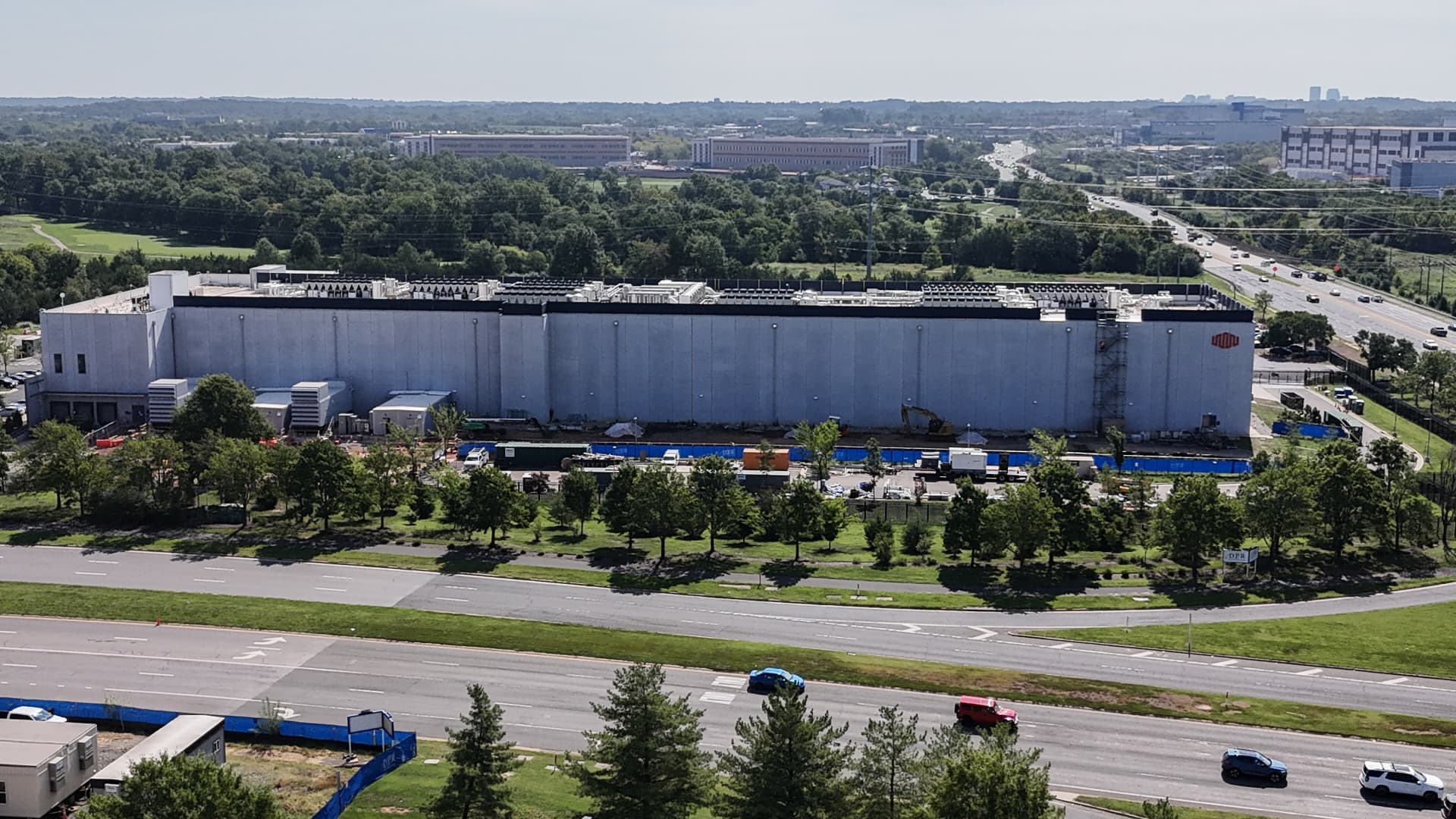
Apollo Global Management has warned that rising credit default swap costs for AI hyperscalers indicate deteriorating credit fundamentals. This trend suggests investor concern over debt-financed infrastructure spending and uncertain returns on AI investments.
The Financial Risks of the AI Infrastructure Boom
Recent warnings from Apollo Global Management signal a significant shift in how financial markets perceive the 'hyperscalers'—the massive cloud computing providers fueling the current artificial intelligence revolution. According to Apollo’s chief economist, Torsten Slok, the rising cost of credit default swaps (CDS) for these entities is not merely a technical byproduct of increased bond issuance, but a fundamental reassessment of their creditworthiness. This development marks a critical juncture in the ongoing debate regarding the sustainability of the capital expenditure (capex) cycle currently dominating the tech sector.
Analyzing the Credit Default Swap Trend
Credit default swaps function as a form of insurance against a borrower defaulting on their debt. When the price of these contracts rises, it implies that the market perceives a higher probability of financial distress. While skeptics might argue that rising costs are simply a function of banks hedging against an influx of new corporate bonds, Apollo’s analysis explicitly rejects this narrative. By isolating the data, it becomes clear that the market is specifically repricing the credit risk associated with the companies building the world’s data centers, rather than reacting to supply-side mechanics in the bond market.
The Debt-Financed Capex Dilemma
At the heart of the risk is the aggressive, debt-financed nature of the AI build-out. Hyperscalers are currently pouring billions of dollars into infrastructure—servers, specialized chips, and cooling facilities—to meet the insatiable demand for AI compute. However, this strategy has led to rising leverage ratios and negative free cash flow. Investors are increasingly questioning whether these massive outlays will translate into long-term profitability, particularly as the assets purchased during this period are subject to rapid depreciation and technological obsolescence.
Economic Implications of Uncertain Payback
The 'uncertain payback' mentioned by Slok highlights the tension between current investment and future revenue. While the potential for AI to transform industry is high, the immediate financial reality is one of heavy capital consumption. If the projected revenue streams from AI-integrated products do not materialize at the scale or pace expected by creditors, the current debt burden could become a significant liability. This creates a feedback loop where the cost of capital for these infrastructure giants rises, potentially slowing the very innovation the market is currently betting on.
Future Trends and Market Sentiment
Looking forward, the shift in market sentiment toward hyperscaler fundamentals suggests that investors are moving from a phase of 'growth at any cost' to a phase of 'scrutiny of returns.' If credit spreads continue to widen, these companies may face higher interest expenses, which could pressure their margins and force a more conservative approach to infrastructure expansion. The coming quarters will be decisive in determining whether this is a temporary market adjustment or the beginning of a cooling period for debt-fueled AI expansion.
Conclusion
In summary, the warning from Apollo Global Management serves as a wake-up call for the broader financial ecosystem. As hyperscalers continue to anchor the AI boom, their financial health remains a bellwether for the entire technology sector. The increasing cost of risk insurance is a clear indicator that the market is no longer willing to overlook the fundamental risks associated with massive, debt-driven capital cycles, signaling a potential pivot toward more disciplined financial management in the tech industry.