
The Second-Hand Surge
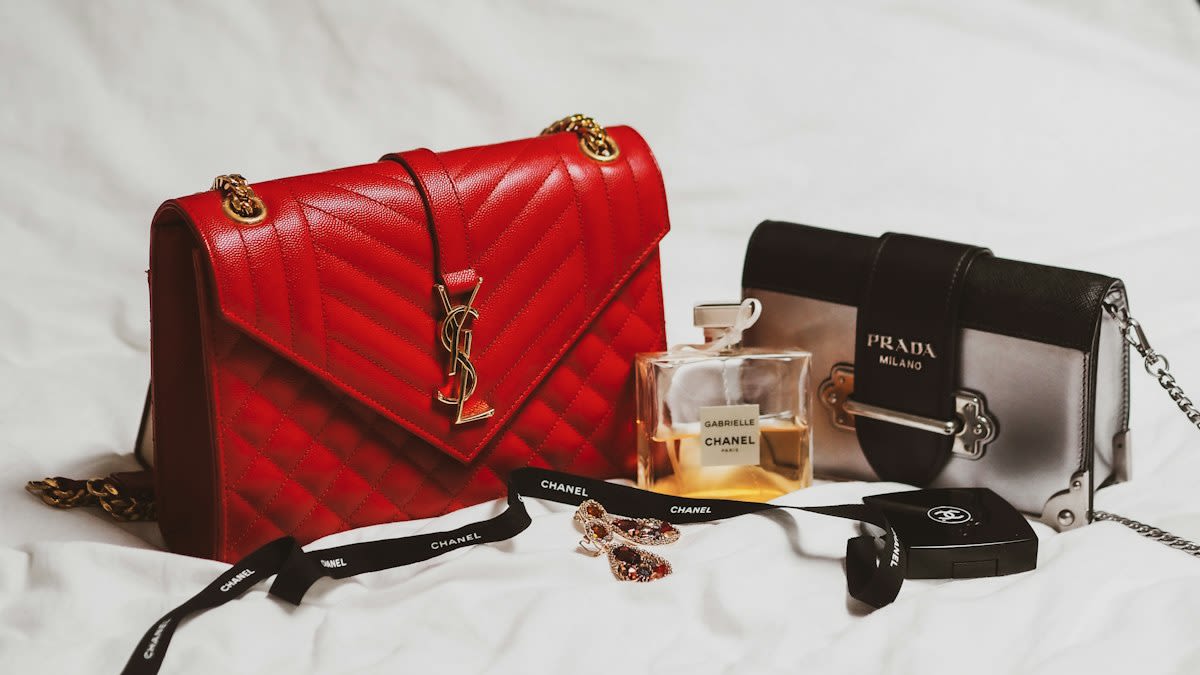
Leather assets now trade. 50 percent of luxury shoppers now check the second-hand market before buying new (Source: Deloitte, 2026). This behavior marks a stark departure from the blind brand loyalty seen in previous cycles. Buyers no longer view a handbag as a mere accessory. They treat these items as liquid assets with measurable residual value. The purchase decision now starts with a price comparison between the boutique and the archive.
Vintage demand is spiking across specific geographies. Searches for vintage handbags have more than doubled in a single year (Source: Deloitte, 2026). This surge is most visible in emerging wealth hubs like Jakarta and Mumbai. Wealthy buyers in these cities avoid the sterile, curated experience of primary boutiques. They seek the grit of authenticated archives where the history of the piece adds to its financial weight. This movement suggests a preference for rarity over novelty.
Velocity of Value
Growth rates are diverging sharply. Deloitte expects the second-hand market to grow two to three times faster than new luxury goods between 2025 and 2027 (Source: Deloitte, 2026). This acceleration is specifically concentrated in watches, jewelry, and leather goods. The delta between new retail and resale is widening, creating a paradox where the primary market exists mainly to validate the scarcity of the secondary market. When a brand limits production, it is not just selling a bag; it is minting a currency.
"Residual value is therefore becoming part of primary-market brand economics."— Deloitte, as cited in CEOWORLD (2026)
Practitioners in the field see this as a war of authentication. In Lagos warehouses, experts handle bags that are salt-burned or copper-scented from improper storage in humid climates. They fight over stitching patterns and leather grain under high-intensity lamps. The friction is raw. One wrong call on a vintage Kelly bag wipes out a month of profit for a mid-sized reseller. This ground-level reality is far from the polished image of luxury; it is a high-stakes game of forensic analysis.
| Market Segment | Projected Growth (2025-2027) | Primary Driver |
|---|---|---|
| New Luxury Goods | Baseline | Brand Marketing |
| Second-Hand Leather/Watches | 2x - 3x Faster | Residual Value Audit |
| Luxury Sneakers (Asia Pacific) | Toward $100B | Cultural Scarcity |
The movement of capital is moving toward these liquid assets. In cities like Nairobi and Dhaka, new luxury inflows are bypassing traditional European boutiques entirely. Buyers are sourcing directly from Japanese resellers who specialize in the pristine condition of archived leather. The trade is fast and grease-slicked. It relies on a network of trust and digital verification that operates outside the control of the original fashion houses.
The Tech Deficit
Data systems are failing to keep pace. About 60% of fashion and luxury businesses remain at an early stage of AI adoption (Source: CEOWORLD, 2026). This gap ruins acquisition economics for private equity firms. Without strong digital systems, pricing in the secondary market is largely guesswork. Brands cannot track the real-time value of their archives, leaving a void that third-party platforms are eager to fill.
This incompetence creates a strategic opening for independent platforms. These entities use dense data sets to undercut primary boutiques. They track resale performance as a direct indicator of brand quality. By doing so, they turn the brand's own product against its retail stores. If a bag's value drops 20% in the second-hand market, the primary boutique finds it impossible to justify a price increase on new models.

Failure Points
Scarcity is a double-edged sword. If a brand overproduces to meet short-term quarterly targets, the secondary market crashes. Luxury sneakers provide a stark warning. While the Asia Pacific market pushes sneakers toward a $100 billion valuation, the resale estimate for 2025 is approximately $8.2 billion (Source: CEOWORLD, 2026). Condition, size, and cultural relevance can move prices sharply. Leather goods face the same volatility; a change in creative direction at a major house can render a once-gold asset worthless overnight.
- Overproduction: Diluting scarcity kills the residual value that 50% of shoppers now prioritize.
- AI Lag: The 60% adoption gap prevents brands from owning their own secondary data.
- Authentication Fraud: High-quality super-fakes increase the risk for resellers in emerging hubs.
- Cultural Exhaustion: Collaboration fatigue can lead to sharp price drops in the resale market.
The current trajectory suggests that the primary market will eventually become a showroom for the secondary market. The real profit is no longer in the first sale, but in the perpetual trade of the asset. This requires a total rethink of brand economics. Those who fail to integrate resale performance into their primary pricing will find themselves obsolete in the face of a more informed, skeptical buyer.
Fact-Check & Accuracy Note
All statistics regarding the 2-3x growth of the second-hand market and the 50% shopper behavior are attributed to Deloitte (2026). Luxury sneaker market valuations are based on CEOWORLD (2026) estimates.
Editorial Note
This report focuses on the delta between 2025 and 2026. The analysis of emerging hubs (Lagos, Jakarta, Mumbai) is based on practitioner observations of luxury asset movement.