‘Vote loot’: Cong demands total re-polling in Nandigram, Rejinagar over irregularities
Source Entity
TOI CITY DESK
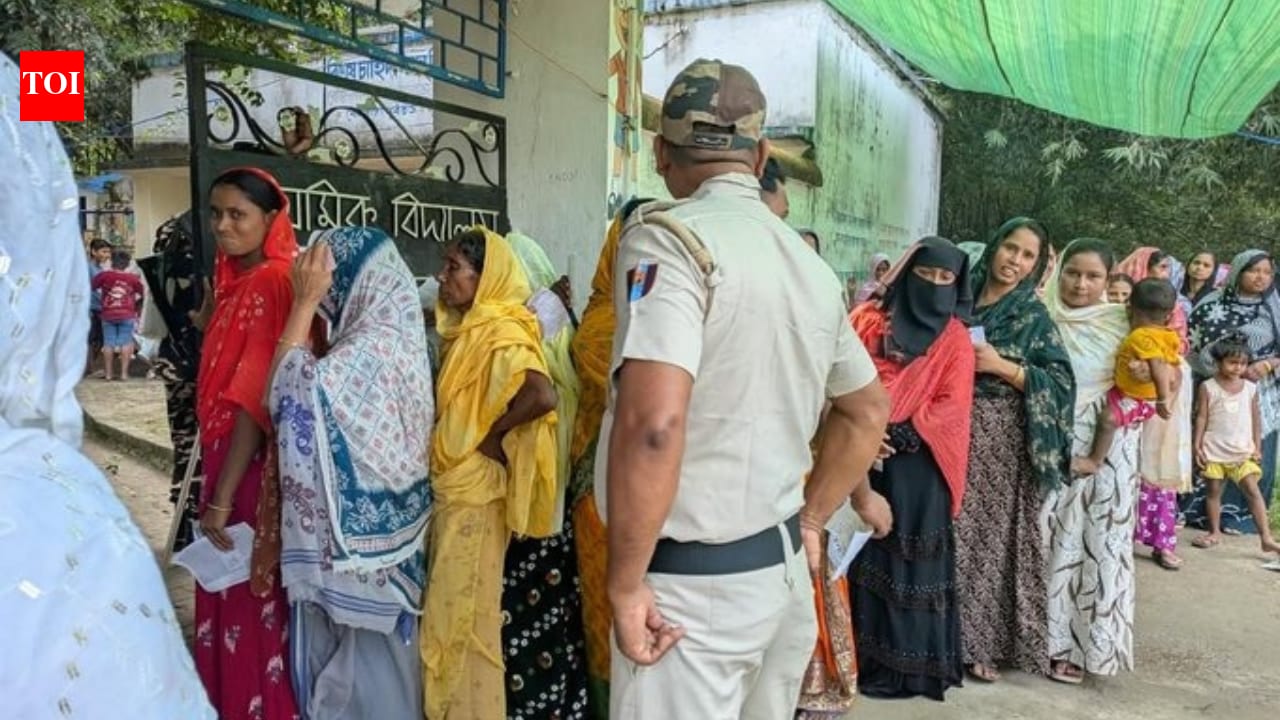
The West Bengal Congress has demanded a re-poll in Nandigram and Rejinagar, citing voter intimidation and the illegal removal of polling agents. Despite an 80% turnout, opposition parties allege widespread malpractice by the ruling BJP, an accusation the government has rejected.
Turmoil in West Bengal: The Controversy Surrounding Recent Bypolls
The recent by-elections in the West Bengal assembly constituencies of Nandigram and Rejinagar have ignited a fierce political firestorm. While the electoral process concluded with a high voter turnout of approximately 80%, the democratic exercise has been marred by serious allegations of procedural irregularities. The West Bengal Congress, led by state president Subhankar Sarkar, has officially demanded a total re-polling of these seats, citing a breakdown in the integrity of the voting process.
Allegations of Malpractice and Voter Intimidation
Central to the controversy are claims that the electoral environment was compromised by the ruling BJP. The Congress party has leveled specific accusations involving the forcible removal of their polling agents from numerous booths. In the Rejinagar constituency, candidate Mohammad Abdullahil Kafi took the drastic step of staging a sit-in protest outside a local police station, highlighting the perceived lack of administrative intervention during the alleged booth capturing and intimidation of voters.
Administrative and Security Context
Despite the claims of widespread interference, official reports indicate that the voting process remained largely devoid of physical violence. However, the atmosphere was clearly tense, underscored by the detention of Aam Janata Unnayan Party (AJUP) chief Humayun Kabir for allegedly provoking tension. The contrast between the high voter engagement—with turnouts reaching nearly 80% in both districts—and the systemic complaints regarding access to booths suggests a deeply polarized electoral climate where the administrative apparatus is under intense scrutiny.
The Stance of the Ruling Party
In response to these allegations, the ruling BJP and Chief Minister Suvendu Adhikari have categorically rejected the accusations of vote-rigging and intimidation. The government maintains that the polling was conducted within the bounds of democratic norms, framing the opposition's outcry as a narrative strategy rather than a reflection of reality on the ground. This clash of narratives highlights the ongoing friction between the state's political factions regarding the fairness of electoral oversight.
Broader Implications for Regional Democracy
These bypolls are part of a wider national electoral exercise, with concurrent voting occurring in states like Tamil Nadu and Assam. While other regions reported largely peaceful processes, the focus on West Bengal underscores the historical volatility and the high-stakes nature of politics in the state. The demand for a re-poll is not merely a procedural request but a significant political maneuver aimed at challenging the legitimacy of the electoral outcome and the governing party's influence over the electoral machinery.
Future Trends and Conclusion
As the dust settles on these by-elections, the focus will likely shift to the Election Commission's scrutiny of the complaints lodged by the Congress. The high voter participation rate, despite the reported interference, demonstrates the resilience of the electorate, yet the persistent claims of rigging threaten to undermine public trust. Moving forward, the resolution of these grievances will be critical in determining the perceived legitimacy of the electoral results and may set a precedent for how future bypolls are monitored in the region.