Rahul-Priyanka surprise stole show at INDIA march. Why allies are not amused
Source Entity
Asad Rehman
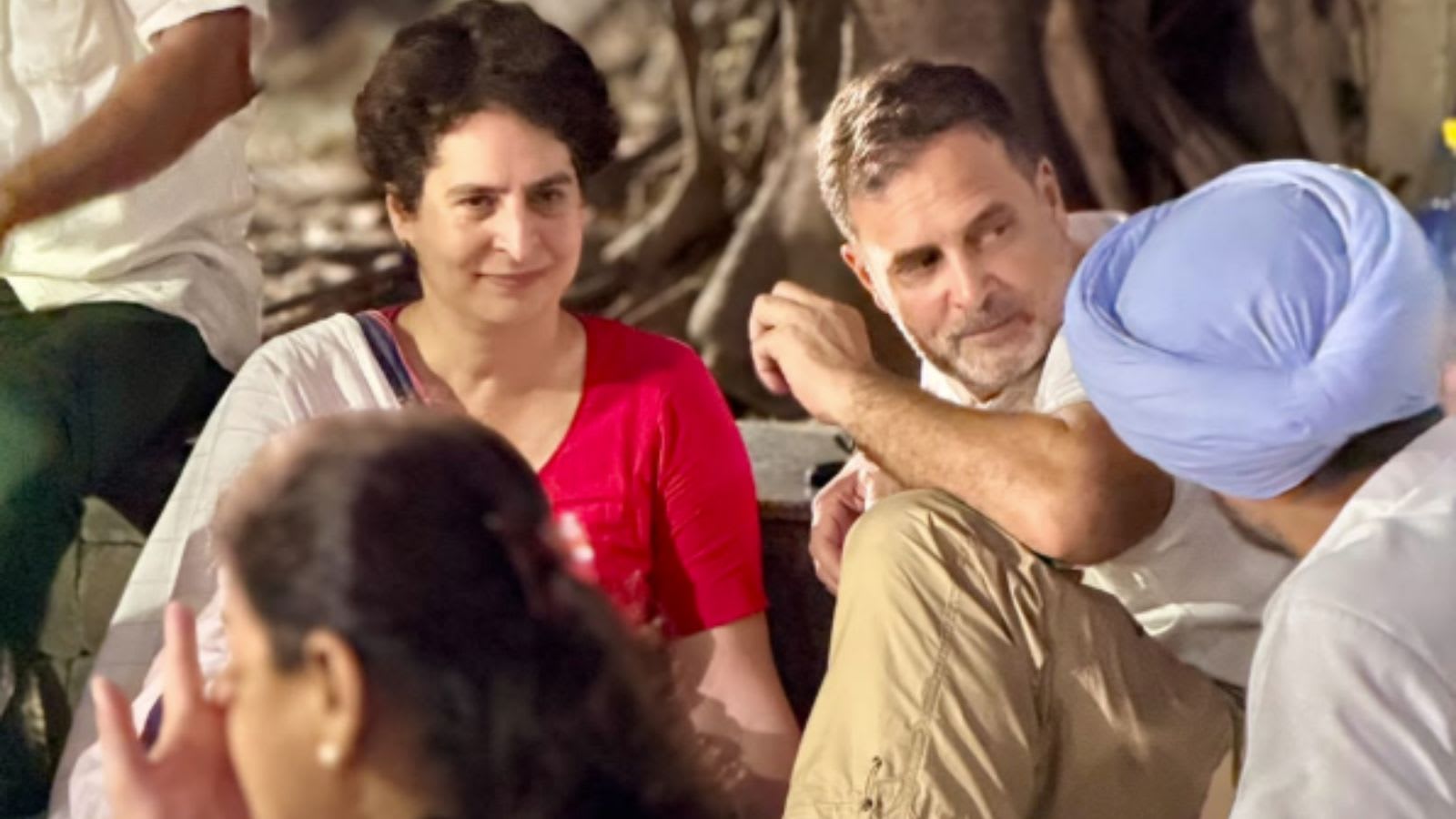
INDIA bloc MPs, led by Rahul and Priyanka Gandhi, staged a protest march toward the Election Commission of India to demand the CEC's resignation. The demonstration, centered on concerns over the Special Intensive Revision (SIR) exercise, faced heavy security barricading and resulted in a sit-in protest.
Tensions Escalate: INDIA Bloc Confronts the Election Commission
On Tuesday, a significant political standoff unfolded in New Delhi as members of the INDIA bloc, led by prominent figures including Leader of the Opposition Rahul Gandhi and Congress MP Priyanka Gandhi Vadra, marched from the Parliament House complex toward the Election Commission of India (ECI) headquarters. The protest was marked by high drama, as security forces implemented heavy barricading near the NITI Aayog office and Akashvani Bhavan, effectively halting the delegation's advance and forcing a spontaneous sit-in on the street.
The Core Grievances
At the heart of this confrontation lies the opposition's vocal objection to the Election Commission’s Special Intensive Revision (SIR) exercise. The INDIA bloc has expressed deep-seated concerns regarding the integrity of electoral processes, using the platform to challenge the neutrality of the current leadership. By carrying placards and cutouts depicting the Chief Election Commissioner (CEC) in association with the RSS, the protesters signaled a direct loss of confidence in the constitutional body's ability to maintain impartiality.
Symbols of Protest and Political Rhetoric
The demonstration was characterized by intense slogans, such as “BJP hai CEC hai” and “Democracy not for sale,” which illustrate the widening trust deficit between the opposition and the ECI. The direct address from Rahul Gandhi to the CEC, captured in a post on X, underscores the personal and combative nature of this political struggle. This rhetoric suggests that the opposition views the current administrative actions of the ECI not merely as bureaucratic procedures, but as deliberate attempts to undermine the democratic mandate.
Security and Institutional Confrontation
The heavy security deployment, which included strategic barricading across key government corridors, highlights the sensitivity of the current political climate. The fact that the march was stopped between the NITI Aayog office and Akashvani Bhavan reflects the government's determination to maintain the sanctity of institutional boundaries, while the opposition’s decision to stage a dharna indicates a shift toward more aggressive, street-level agitation. This event serves as a microcosm of the broader friction between India's ruling coalition and the opposition regarding the independence of constitutional institutions.
Broader Implications and Future Trends
This protest is likely to set a precedent for future interactions between the INDIA bloc and the ECI. As electoral cycles approach, the demand for transparency in processes like the SIR will likely intensify. The opposition’s focus on the ECI suggests that the narrative of ‘institutional capture’ will remain a central pillar of their political campaign. Moving forward, the ECI faces the difficult task of balancing administrative electoral mandates with the necessity of maintaining public trust, a challenge that will define the trajectory of India's democratic discourse in the coming months.
Multiple Citing Sources