Trump's LA, San Diego remarks ‘treasonous’, says California Governor Newsom; lawmakers demand apology
Source Entity
Latest News: Todays Latest News Headlines from India & World | Hindustan Times | Hindustan Times
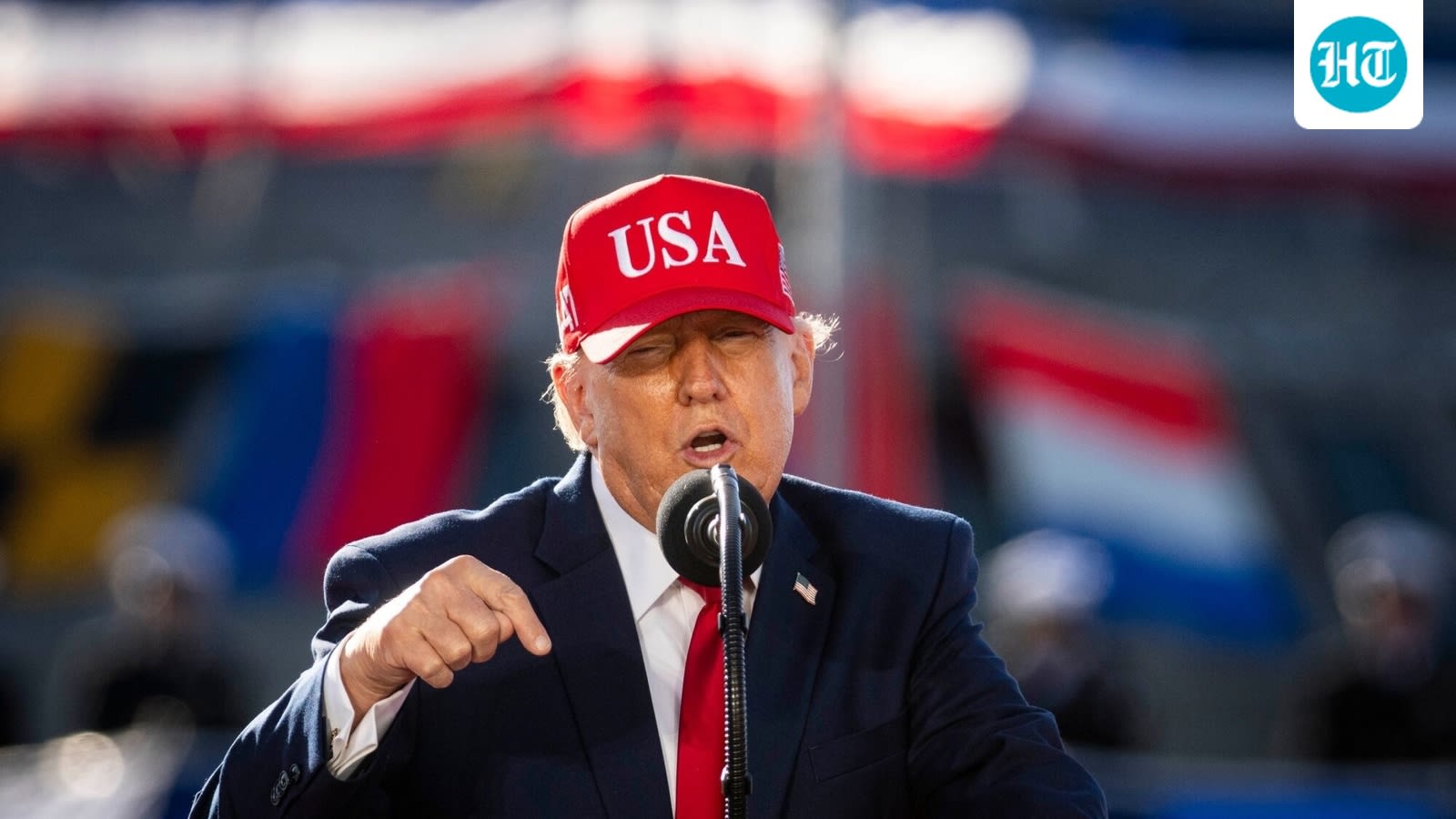
California Governor Gavin Newsom and Democratic lawmakers have condemned President Donald Trump for suggesting that Iran should target Los Angeles and San Diego. The remarks, made during a discussion on potential conflict with Iran, have triggered demands for an apology and widespread bipartisan backlash.
The Escalation of Rhetoric: Trump’s Comments on California
The political landscape in the United States has been marked by a significant clash between federal leadership and California state officials following comments made by President Donald Trump. While discussing the potential for military conflict with Iran, the President suggested that if Iran were to retaliate, it could 'take out Los Angeles and San Diego.' These statements have ignited a firestorm of criticism, with California Governor Gavin Newsom leading the charge in labeling the rhetoric as 'treasonous.'
The Governor’s Response and Institutional Backlash
Governor Gavin Newsom did not mince words in his condemnation, initially describing the President’s comments as 'deranged and dangerous' via his personal social media profile. The intensity of this reaction escalated when Newsom issued a more formal, stern statement through his official gubernatorial channels. This transition from personal critique to an official administrative stance highlights the gravity with which the California state government views the President’s remarks, characterizing them as a direct threat to the safety and security of its citizens.
Congressional Demands for Accountability
Beyond the executive office of California, the outcry has permeated the federal legislative branch. Democratic Congressional members representing California districts have formally demanded an apology from President Trump. The lawmakers argue that such language, especially when originating from the Commander-in-Chief, undermines the duty of the federal government to protect all states equally. This demand for an apology serves as a focal point for the broader political tensions between the Trump administration and the Democratic-led delegation of California.
The Context of Geopolitical Tension
These remarks surfaced during a period of heightened international tension regarding Iran. By linking the vulnerability of major American cities to foreign military action, the President’s comments transcended typical political discourse, moving into the realm of national security rhetoric. Critics argue that such comments normalize the idea of domestic targets being acceptable collateral damage in geopolitical disputes, a sentiment that has drawn sharp rebuke from both sides of the political aisle.
Bipartisan Rejection of the Narrative
One of the most notable aspects of this controversy is the bipartisan nature of the backlash. The comments sparked significant criticism online from across the political spectrum, suggesting that the rhetoric touched a nerve regarding the basic responsibilities of the presidency. While partisanship often defines modern American political discourse, the idea that a leader would openly speculate about the destruction of domestic cities—regardless of the context of an external war—has proven to be a bridge too far for many commentators and political figures.
Future Implications for Federal-State Relations
Looking ahead, this incident is likely to deepen the existing rift between the Trump administration and California officials. As the state continues to act as a primary opposition base for the Democratic Party, the rhetoric surrounding 'treasonous' comments and demands for apologies will likely become a recurring theme in midterm election cycles. The episode underscores the fragile state of federal-state relations and the increasing propensity for political discourse to escalate into existential arguments regarding national loyalty and presidential duty.
Verification Required?