City building games have a Soul Problem pt.2
Source Entity
Hacker News
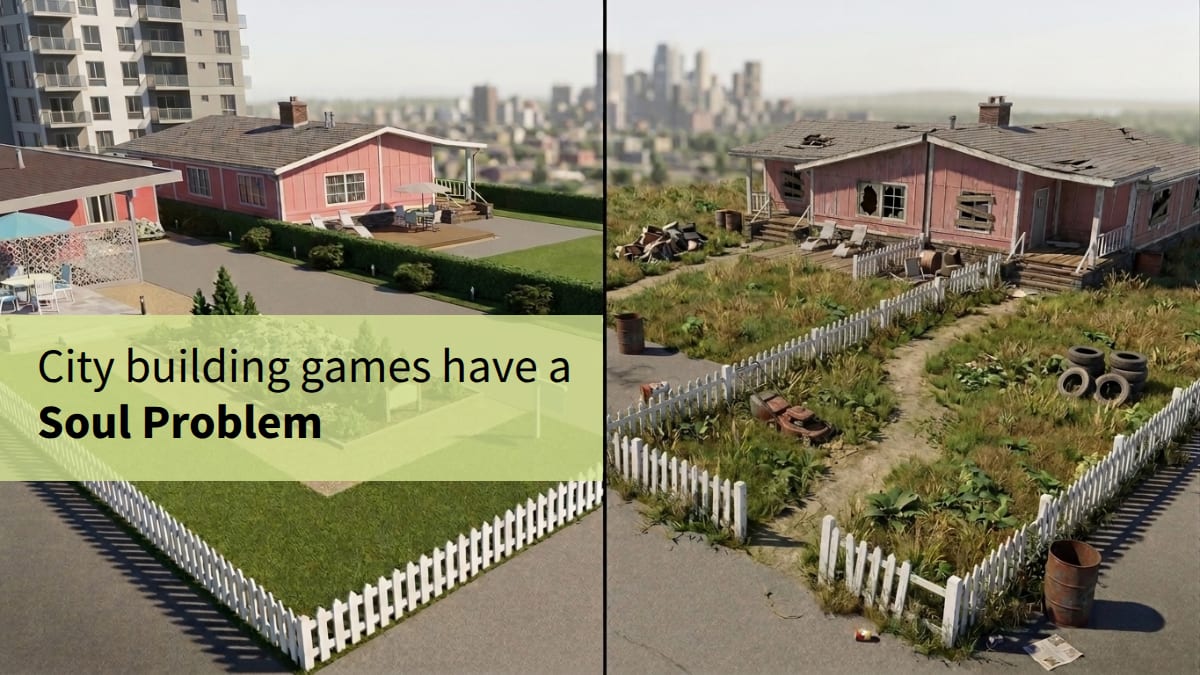
Players are drawn to city-building games like Cities: Skylines 2 due to a deep-seated, nostalgic desire to recreate childhood imaginative play. This analysis explores the emotional connection between early physical play and modern digital urban simulation.
The Psychological Roots of Urban Simulation
The enduring appeal of city-building games is not merely a product of complex mechanics or modern graphics; rather, it is deeply rooted in the developmental play patterns of childhood. As the provided context notes, the transition from physical toys—such as toy cars on felt mats or rudimentary construction sites in garden dirt—to digital environments is a natural progression of a creative impulse. These games serve as a sophisticated medium for adults to satisfy a lingering, visceral need to exert control over a miniature, living world.
Nostalgia as a Design Pillar
Many developers in the simulation genre leverage this inherent nostalgia to build engagement. The 'tangle of younger self’s fantasies' mentioned in the narrative reflects a psychological phenomenon where digital tools become the modern evolution of the classic model train set. Just as an uncle’s elaborate playroom setup once fascinated children, modern titles offer the same sense of wonder, allowing players to act as architects of their own private, functional universes.
The 'Soul' of Simulation Games
Despite the technical shortcomings or design frustrations often cited in titles like Cities: Skylines 2, players remain magnetically drawn to the experience. This phenomenon suggests that the 'soul' of these games resides not in perfect performance or bug-free code, but in the player's projection of their own creative vision onto the game grid. The frustration with the current state of the genre is, in fact, a testament to how much players value the emotional output of these simulations.
From Dirt to Digital: The Evolution of Play
Historically, construction play has always involved a mix of destruction and creation. Whether it is digging tunnels near a rose bush or laying virtual asphalt in a high-fidelity city builder, the core drive remains the same: the desire to witness the growth and operation of a system one has personally designed. This transition from physical to digital has expanded the scale of our play, but the fundamental joy remains tethered to the simplicity of early childhood construction.
Future Trends in Urban Gaming
Looking ahead, the genre is likely to continue evolving by bridging the gap between cold, mechanical management and the 'soulful' creative expression players crave. Developers who recognize that their users are essentially 'playing with toy cars' on a massive, digital scale will succeed by prioritizing tools that foster personal narrative and creative freedom. The future of city builders lies in balancing complex simulation data with the intuitive, imaginative freedom that defined our earliest experiences with construction play.
Conclusion
Ultimately, the 'Soul Problem' in city-building games is a reflection of the player's own high expectations. We return to these games not just to solve traffic problems or balance budgets, but to reconnect with the formative joy of creating something from nothing. As long as the genre allows us to touch that childhood wonder, we will continue to return to our virtual construction sites, flaws and all.