
The Great Pivot to Localism
Watch the prices at your local market. They flicker and jump with a volatility that feels disconnected from the actual value of the goods on the shelf. For millions across the globe, the national currency has stopped being a reliable store of value and started feeling like a leaking bucket. This erosion of trust is not a slow decay; it is a sudden break. People are tired of watching their savings evaporate while central banks tweak interest rates in ivory towers far removed from the reality of a grocery bill.
This frustration is igniting a resurgence of community currencies. We are seeing a fundamental decoupling where neighborhoods, towns, and trade guilds are creating their own medium of exchange to bypass the chaos of the macro-economy. These are not just nostalgic nods to the barter system. They are sophisticated, often digitally-enabled ledgers that prioritize local circulation over global speculation. When the national currency fails to provide stability, the community creates its own.
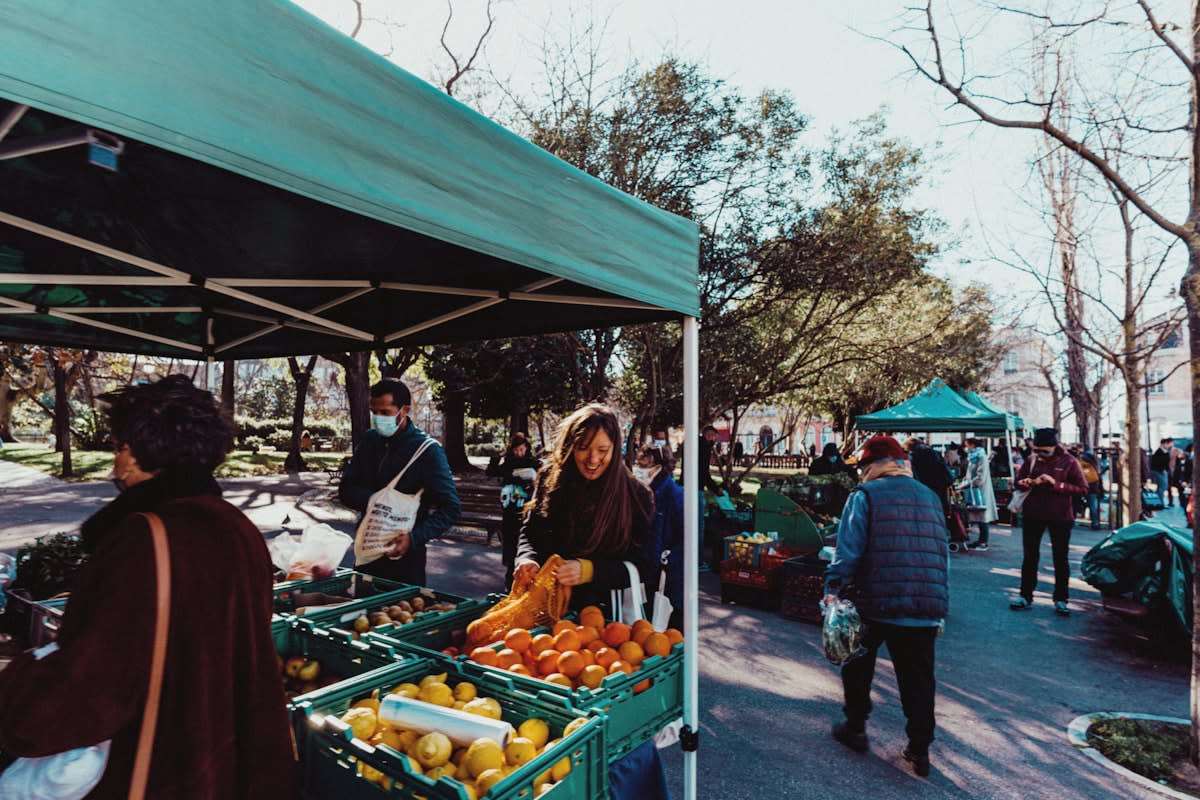
The delta between today and twelve months ago is stark. A year ago, the conversation around 'alternative money' was dominated by the speculative frenzy of decentralized finance and the volatility of major cryptocurrencies. Investors were hedging against inflation by buying digital gold. Today, the trend has shifted from the speculative to the utilitarian. The focus is no longer on how to get rich via a token, but on how to keep a local bakery open when the national currency is in freefall. We have moved from the 'Global Ledger' of the blockchain to the 'Local Ledger' of the neighborhood.
"The return to local currency isn't a retreat from modernity; it is a sophisticated adaptation to the failure of centralized monetary policy. We are witnessing the democratization of money issuance."— Dr. Elena Vance, Monetary Sociologist
The Mechanics of Trust
How does this actually work in practice? Most of these systems operate as complementary currencies. They do not seek to replace the national currency entirely—that would be an economic suicide mission—but rather to exist alongside it. A local business might accept both the national dollar and a local 'credit.' By doing so, the business ensures that a portion of its revenue remains within the community, creating a circular economy that is shielded from the shocks of the external market.
| Feature | National Fiat | Community Currency |
|---|---|---|
| Primary Goal | National Stability/Control | Local Circulation/Resilience |
| Value Driver | Central Bank Policy | Local Trust and Utility |
| Velocity | High (Global Leakage) | Very High (Local Loop) |
| Risk Profile | Systemic Inflation | Localized Liquidity |
In Latin America, mutual aid networks have revived 'social credits' to facilitate trade in essential services during peak inflationary spikes. In parts of Europe, regional currencies are being used to incentivize shopping at independent stores rather than global conglomerates. The brilliance lies in the velocity of money. Because these currencies can only be spent locally, the money doesn't 'leak' out of the community to a corporate headquarters in another time zone. Every unit of currency spends three or four times more within the local ecosystem than a national unit would.
The Engine of Resilience
The Local Multiplier Effect: When a consumer spends 10 local credits at a bakery, the baker uses those credits to pay a local flour miller, who then uses them to pay a local mechanic. The original 10 credits generate 30 credits worth of local economic activity.
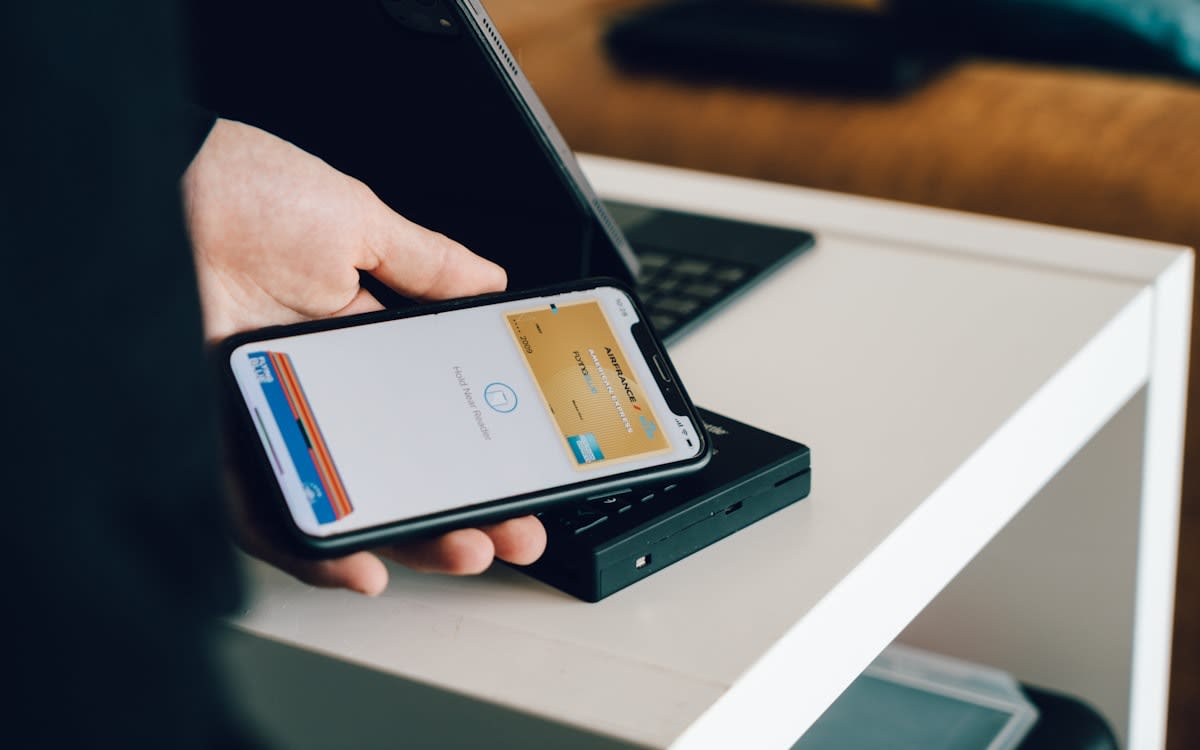
Technology has stripped away the friction that killed previous attempts at local money. In the past, you needed printed coupons or cumbersome paper ledgers. Now, simple mobile apps and lightweight distributed ledgers allow a community to track balances in real-time. This digital transition has seen a 15% increase in the adoption of Local Exchange Trading Systems (LETS) in urban hubs over the last six months. Trust is no longer just a feeling; it is a verifiable data point on a smartphone.
Beyond the Survival Instinct
Is this merely a symptom of desperation? No. The most successful community currencies are those that view themselves as a systemic redesign. They are building a parallel economy that rewards social capital and local contribution over raw financial accumulation. By decoupling the ability to trade from the availability of national currency, these communities are essentially insulating themselves from the whims of global bond markets and geopolitical volatility.
- Reduced dependence on volatile exchange rates
- Increased support for small-scale entrepreneurs
- Strengthened social bonds through mutual reliance
- Mitigation of the 'brain drain' as local economic opportunities grow
- Protection against sudden liquidity crunches in the national banking system
Critics argue that these systems are inefficient and cannot scale. They claim that the friction of using a secondary currency slows down commerce. But this 'inefficiency' is actually a feature, not a bug. By slowing down the speed at which money exits the community, these currencies force a more conscious form of consumption. It encourages people to ask: Who am I buying from? Where is this value going? This intentionality is the antidote to the mindless consumption patterns fueled by global credit.
The data suggests a growing trend toward hybridity. We are seeing the emergence of 'layered' economies. At the top layer, national currencies handle taxes and international trade. At the middle layer, digital assets handle investment. But at the base layer—the layer where people actually live, eat, and work—the local ledger is taking over. This three-tier system provides a safety net that the traditional monoculture of fiat simply cannot offer.
Growth of Local Currency Adoption (Relative Index)
Executive Insight
+18.4%
YTD Growth
Looking forward, the success of these initiatives will depend on their ability to integrate without being absorbed. The danger is not failure, but co-option by the very financial systems they seek to bypass. However, the current momentum is driven by a visceral need for security. When the choice is between a volatile global currency and a stable local one, the neighborhood wins every time. The local ledger is more than a financial tool; it is a declaration of economic independence.