'Like we did in Asia Cup': Pakistan to put India 'under pressure' in Asian Games
Source Entity
SHUBHANSHU DWIVEDI
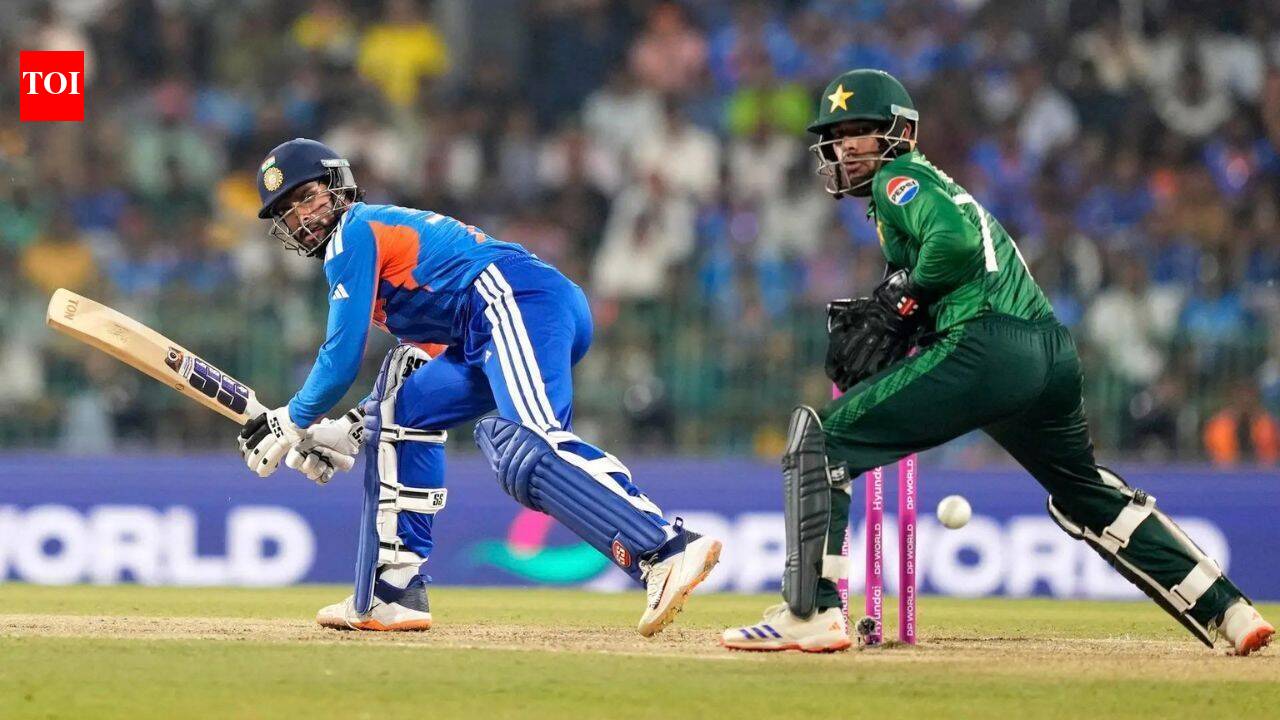
As the Asian Games approach, focus turns to potential India-Pakistan cricket clashes and the diplomatic nuances of sportsmanship. While Pakistan coach Mike Hesson acknowledges India's dominance in white-ball cricket, recent multisport events highlight a trend of professional, albeit sometimes tense, interactions between the two nations.
The Dynamics of India-Pakistan Sporting Rivalry at the Asian Games
As the Asian Games approach, the sporting world is once again bracing for the intense scrutiny that accompanies any encounter between India and Pakistan. Beyond the tactical preparations on the cricket field, there is a recurring narrative regarding the diplomatic undertones of these matches. Historically, the handshake—or the refusal thereof—has become a symbolic gesture scrutinized by fans and media alike. However, recent events suggest a shift toward professional pragmatism, with players in sports like hockey and table tennis engaging in standard protocols despite the high-stakes nature of the rivalry.
Navigating Professionalism Amidst High Tensions
The context of these sporting interactions is complex. While public attention often fixates on potential friction, actual competition has shown moments of decorum. For instance, during the FIH World Cup, the Indian and Pakistani hockey teams adhered to established protocols by high-fiving before play. Similarly, in recent table tennis encounters, the focus remained strictly on the result rather than overt displays of hostility, with Indian teams winning their matches without inflammatory celebrations. These instances serve as a reminder that professional athletes are often more focused on the tactical demands of their sport than the political narratives surrounding them.
The Human Element: Individual Reactions
It is important to note that sportsmanship is also subject to individual emotional responses. The incident involving MMA fighter Suchika Tariyal, who declined to shake hands after a controversial tie-breaker loss at Aichi-Nagoya, highlights that emotional intensity is a factor independent of national rivalries. Such moments serve as a reminder that athletes are under immense pressure, and their reactions are often dictated by the immediate frustration of defeat rather than broader geopolitical considerations.
The Cricket Benchmark: Hesson’s Strategic Assessment
On the cricket front, Pakistan head coach Mike Hesson has provided a candid assessment of the current landscape. He explicitly identified India as the "benchmark" in white-ball cricket, a testament to India's recent success, including back-to-back T20 World Cup victories. Hesson’s admission that his team has "ground to cover" reflects a realistic appraisal of the current talent gap. Since taking charge in May 2025, Hesson has witnessed his side suffer multiple defeats to India, including losses in the 2025 Asia Cup and the recent T20 World Cup.
Looking Ahead: Pressure and Preparation
Despite the lopsided history, Hesson remains focused on the potential for a breakthrough. By referencing the pressure Pakistan managed to exert during the Asia Cup final, he signals that his team is looking for specific tactical avenues to challenge India’s dominance. The Asian Games represent a significant stage for this potential rematch. As India prepares to defend its title, the pressure will be on both sides to perform; for India, to maintain its status as the regional powerhouse, and for Pakistan, to prove they can consistently compete with the current global leaders in white-ball cricket.
Conclusion
The narrative surrounding India-Pakistan sporting events is shifting from purely symbolic political gestures to a more focused discussion on athletic dominance and strategic growth. While the "handshake watch" remains a staple of media coverage, the genuine focus for athletes and coaches like Mike Hesson lies in the technical execution required to win. As the Asian Games commence, the sporting world will be watching to see if Pakistan can bridge the gap against an Indian side that currently sets the global standard.