Mark Zuckerberg debuts $1,299 Meta VR Glasses and Muse Charm pendant amid AI agent push
Source Entity
US Top News and Analysis
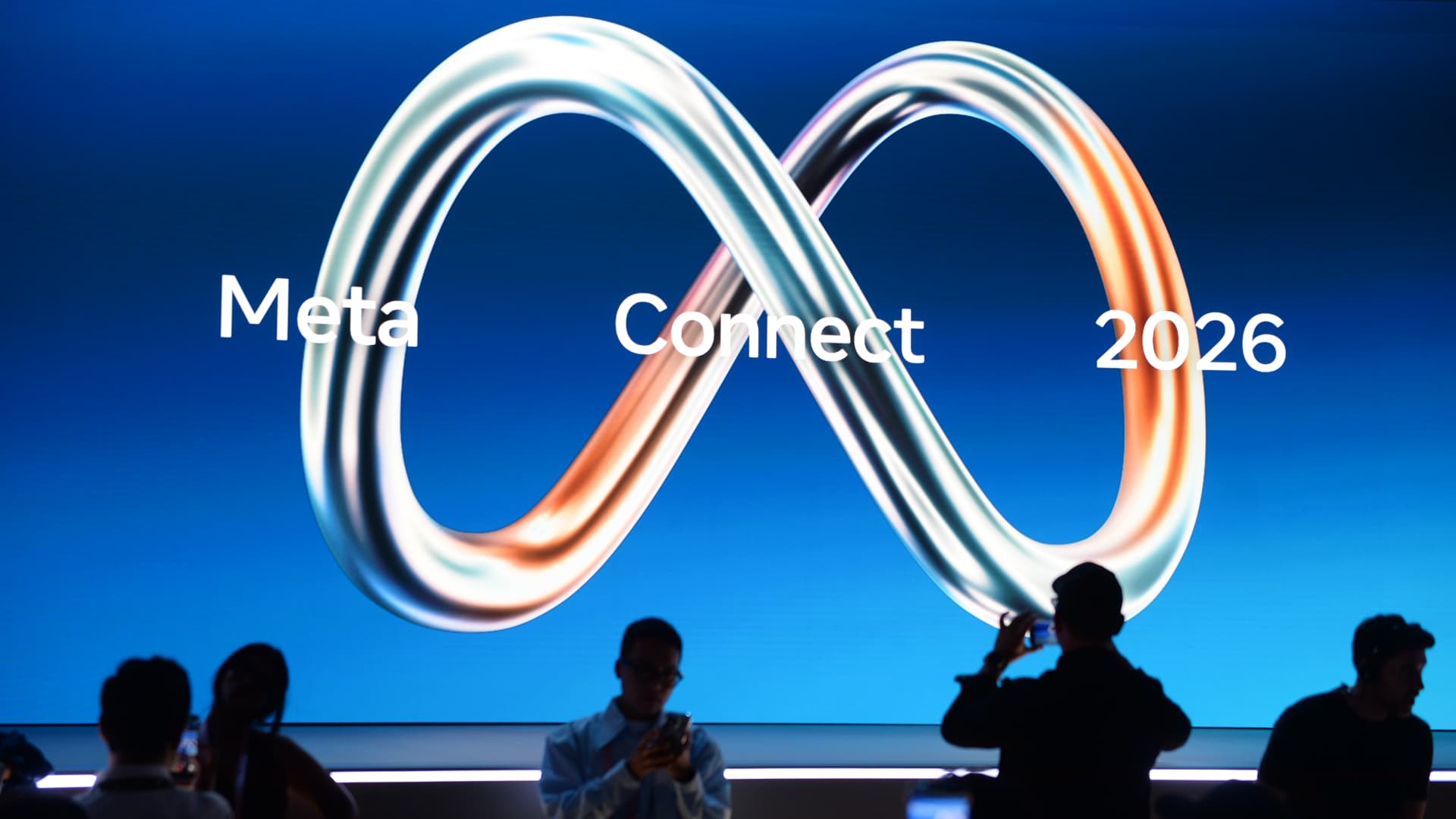
Meta has unveiled a new lineup of hardware at its Connect conference, including slim $1,299 VR glasses and an audio-only, camera-free AI eyewear model. These devices represent a strategic pivot toward more portable, lifestyle-integrated hardware powered by the company's Muse AI agent.
Meta's Hardware Evolution: A Strategic Pivot
At the annual Connect conference, Meta CEO Mark Zuckerberg unveiled a significant expansion of the company’s hardware ecosystem, signaling a shift away from bulky headsets toward more discrete, lifestyle-oriented devices. The announcement of the new Meta VR Glasses, priced at $1,299, marks a departure from the traditional Quest-branded architecture. By utilizing a magnesium alloy frame and a tethered 'computing puck' for battery and processing, Meta has achieved a form factor reported to be five times lighter than the Meta Quest 3, effectively bridging the gap between high-end VR and conventional eyewear.
The Muse AI Integration
Central to this hardware refresh is the integration of Meta’s Muse AI personal agent. Unlike previous iterations that required smartphone interaction, the new Muse Charm—a handheld companion device—allows users to engage with AI via voice commands directly. This reflects a broader industry trend of 'ambient computing,' where the goal is to remove the friction of unlocking screens or navigating applications, instead allowing the AI to function as a seamless, always-available assistant in the user's daily life.
Addressing Reputational Challenges
Meta has also introduced a camera-free version of its AI glasses, the Ray-Ban Meta Audio, priced at $349. This product is a clear response to the privacy concerns and negative public perception—often dubbed 'pervert glasses'—that plagued earlier camera-equipped models. By focusing strictly on audio functionality, such as music playback, podcast streaming, and real-time speech translation, Meta is attempting to rehabilitate its brand image while maintaining its presence in the wearable tech space.
Engineering and Entertainment Upgrades
Technologically, the new VR glasses represent a sophisticated leap, powered by Qualcomm’s Snapdragon Reality Elite processor. By moving the heavy computing components to a pocketable puck, Meta has prioritized comfort and wearability, which have historically been the primary barriers to VR mass adoption. Furthermore, the inclusion of IMAX-compatible entertainment options suggests that Meta is positioning these glasses not just as productivity tools, but as premium personal media consumption devices.
Future Outlook and Market Implications
Meta’s dual-track strategy—high-end VR glasses for immersive experiences and audio-only glasses for daily utility—demonstrates a maturing understanding of consumer needs. By diversifying its portfolio, the company is hedging against the risks associated with its previous 'metaverse' branding, which faced significant pushback due to hardware bulkiness. As Meta continues to finalize the rollout of its Muse AI capabilities, the success of these products will depend on whether the seamless interaction promised by the Muse Charm can truly replace the convenience of the modern smartphone.