Elon Musk says Boring Company can cut 2.5-hour Texas drive to under 30 minutes
Source Entity
TOI TECH DESK
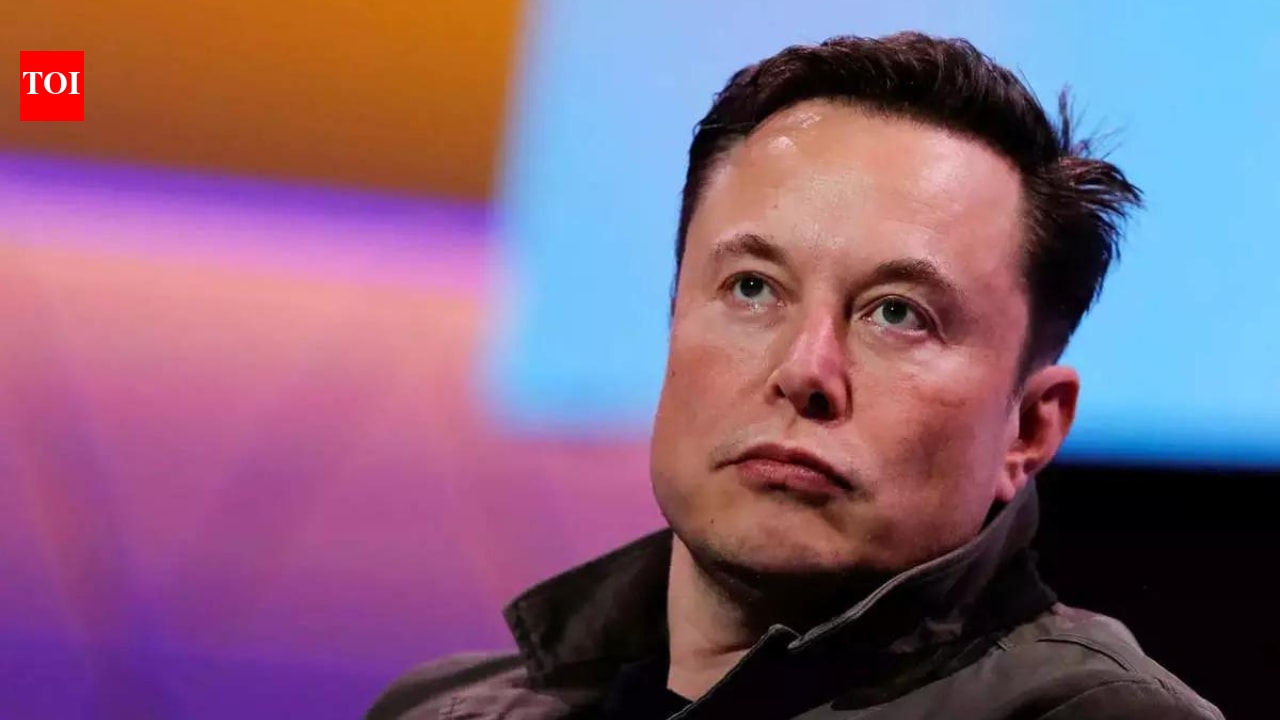
Elon Musk's The Boring Company plans to build a tunnel between Austin and San Antonio to reduce travel time from 2.5 hours to under 30 minutes. The project follows recent funding successes, though the firm currently manages only a limited number of operational tunnels.
Revolutionizing Texas Transit: The Austin-San Antonio Tunnel Proposal
Elon Musk has announced an ambitious infrastructure vision through The Boring Company, aiming to connect the Texas cities of Austin and San Antonio via an underground tunnel network. By leveraging proprietary tunneling technology, the project seeks to bypass traditional surface-level traffic congestion, potentially reducing a grueling 2.5-hour commute to less than 30 minutes. This proposal targets one of the most rapidly expanding corridors in the United States, where population growth has consistently outpaced existing transportation infrastructure.
The Economic and Logistical Context
The Austin-San Antonio corridor is a vital artery for the Texas economy, serving as a hub for technology, manufacturing, and logistics. As both cities experience significant urban sprawl, the demand for high-speed connectivity has surged. The Boring Company’s intervention represents a departure from traditional highway expansion, focusing instead on high-speed subsurface transit solutions that could theoretically alleviate the burden on the I-35 corridor, which is notoriously prone to severe bottlenecks.
Funding and Corporate Strategy
This announcement arrives on the heels of The Boring Company securing significant capital, which was originally earmarked for international expansion, including projects in the UAE. By redirecting these resources toward the Texas market, Musk is signaling a strategic pivot toward domestic infrastructure projects where he already maintains a substantial corporate footprint. This capital infusion is essential, as the company faces the high costs associated with deep-bore excavation and the regulatory hurdles inherent in interstate infrastructure development.
Operational Reality and Future Challenges
Despite the excitement surrounding the proposal, it is critical to note that The Boring Company currently maintains only a limited number of operational projects globally. While the vision for a high-speed link is transformative, the transition from successful small-scale implementations to a long-distance, high-capacity intercity tunnel presents unprecedented engineering and safety challenges. The company must prove that its current tunneling technology can scale effectively to meet the demands of a high-traffic regional route.
Regulatory and Environmental Hurdles
Beyond the engineering feats, the project will likely face rigorous environmental impact assessments and complex land-use negotiations. Constructing a tunnel of this magnitude requires extensive coordination with state and local authorities, as well as private landowners. The success of this venture will depend heavily on the ability of The Boring Company to navigate the regulatory landscape while maintaining public confidence in the safety and efficiency of underground transit.
Conclusion: A Bold Step for Regional Connectivity
If successful, the Austin-San Antonio tunnel could serve as a blueprint for modernizing intercity travel in high-growth regions. While the project remains in its early stages and faces significant skepticism regarding its timeline and feasibility, the potential to fundamentally alter the commuter experience in Texas is immense. The industry will be watching closely to see if The Boring Company can deliver on its promise of sub-30-minute travel, effectively bridging the gap between these two major economic powerhouses.