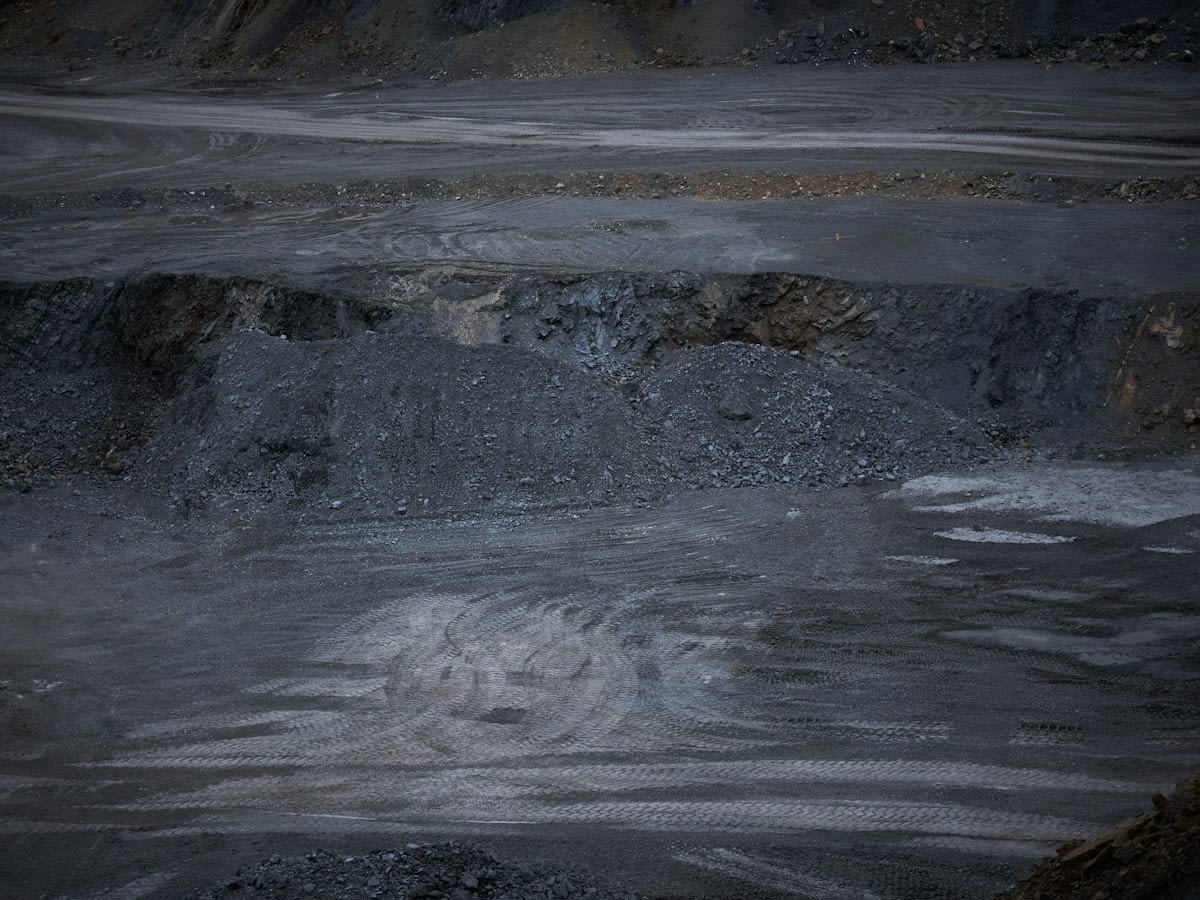
Borders are fiction. While governments scramble to fence off lithium brine and nickel ores, the real power resides in the chemical refineries and battery plants that dictate the final price. Sovereignty now means processing. Nations that merely export raw dirt find themselves stuck in a cycle of low growth and high environmental cost. The dirt is cheap.
Who actually owns the value? If a country owns 100% of the cobalt in the ground but 0% of the refining capacity, it owns nothing but a hole in the earth. This reality forces a hard turn in how developing economies view their natural wealth. Why should the Global South bear the ecological weight of extraction while the Global North collects the profit from the finished battery? The old model of royalty checks is dead.
The Indonesian Playbook
Indonesia acted first. The government banned raw nickel exports in 2020 to force foreign firms to build multi-billion dollar smelters on local soil (Source: Reuters, 2020). This move shocked the global market. It forced a reconfiguration of the supply web as China aggressively invested in Indonesian processing hubs to maintain its battery dominance. The strategy worked.
Nickel production surged. Indonesia now accounts for roughly 50% of global nickel supply, but the shift toward Class 1 nickel for EVs is where the real fight happens (Source: USGS, 2023). Can a nation simply legislate an industrial revolution into existence? The answer depends on the willingness of foreign capital to accept local ownership mandates. Indonesia bet its future on this gamble.
"Resource nationalism is no longer about seizing assets; it is about forcing the industrialization of the source country through export restrictions."— Dr. Aris Munandar, Senior Mining Analyst at Southeast Asia Resource Watch
The cost is high. Rapid industrialization requires massive energy inputs, often leading to a reliance on dirty coal to power the very smelters that produce 'green' minerals. This creates a mechanical failure in the logic of the energy transition. How do we justify carbon-heavy processing for zero-emission cars? The contradiction is ignored for the sake of GDP.
The Latin American Shift
Chile is next. President Gabriel Boric announced a National Lithium Strategy in 2023, demanding state control over the most strategic salt flats (Source: Reuters, 2023). This is not a simple seizure of land. The government seeks a public-private partnership model that ensures the state holds the majority stake in new projects. It is a calculated risk.
Investment slows down. Private firms hate uncertainty, and the shift toward state control often scares away the very engineers needed to optimize brine extraction. Yet, the Chilean government argues that the current royalty rates are an insult to the nation's wealth (Source: World Bank, 2022). Does the state have the technical capacity to run these operations? That remains the critical question.
| Strategy Type | Primary Goal | Mechanism | Case Example |
|---|---|---|---|
| Old Sovereignty | Revenue Extraction | Export Taxes & Royalties | DRC Cobalt (Pre-2018) |
| New Sovereignty | Industrialization | Export Bans & Joint Ventures | Indonesia Nickel |
| Hybrid Sovereignty | Strategic Control | State-Led Partnerships | Chile Lithium |
The fray intensifies. In the Democratic Republic of Congo, the struggle for cobalt involves a messy web of artisanal miners and giant Chinese conglomerates (Source: Amnesty International, 2023). The DRC government attempts to raise the 'strategic mineral' status of cobalt to increase prices. This rarely works because the refining capacity stays in Asia. The DRC remains a supplier of raw dirt.
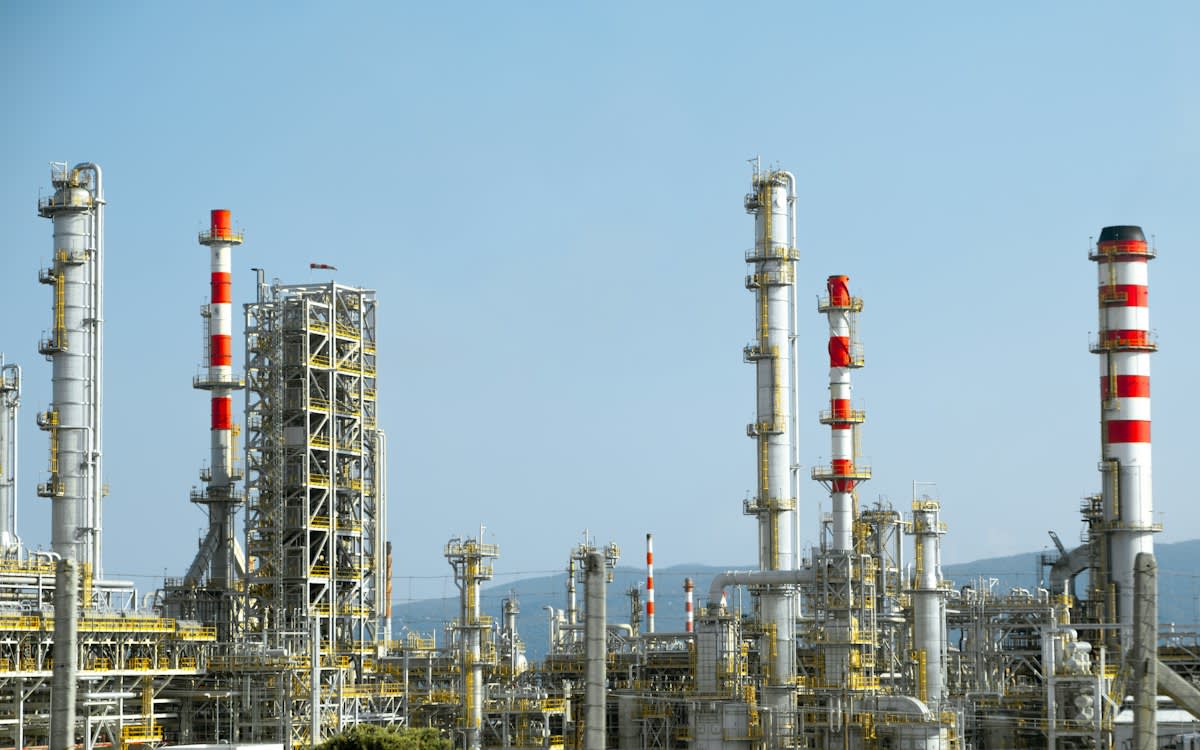
I spent months in Jakarta arguing with ministry officials who ignored the basic physics of the power grid. The Ministry of Energy screamed that the coal-fired plants could not support the sudden load of ten new nickel smelters. Meanwhile, the Ministry of Mines pushed the bans forward to attract Chinese capital. This mechanical failure of coordination creates a hidden weight on the economy that no GDP report captures.
Can the West compete? The US and EU are attempting to create 'Critical Raw Materials Acts' to secure their own supplies (Source: European Commission, 2023). They use subsidies to lure processing plants back home. This is a mirror image of resource nationalism. Everyone is building walls around their supply chains. The global market is fracturing.
Markets hate walls. When every nation tries to control the whole chain, efficiency plummets and costs rise for the end consumer. We see this in the volatility of lithium carbonate prices, which swung wildly as supply security became a political weapon (Source: Benchmark Mineral Intelligence, 2023). Stability is the first casualty of sovereignty.
Fact-Check & Accuracy Note
The debate over resource nationalism centers on whether state control leads to long-term industrial growth or short-term political gain. Academic consensus from the IMF suggests that without strong institutional governance, 'sovereignty' often results in capital flight and degraded infrastructure (Source: IMF Working Papers, 2021). However, the 'Indonesia Model' challenges this by showing that aggressive bans can successfully force foreign investment if the resource is indispensable.
Editorial Note
Editorial Note: This analysis avoids the common narrative of 'crisis' and instead focuses on the economic adaptation of the Global South. The transition from raw export to downstreaming is an economic evolution, not a geopolitical emergency.
Sovereignty persists. It simply changed its skin. The goal is no longer to own the mine, but to own the molecule. Nations that fail to make this structural break will remain the servants of the processing hubs. The era of the raw exporter is over.