Mumbai’s auto-rickshaw drivers seek temporary Rs 2 surcharge as CNG prices rise
Source Entity
Ishika Gupta
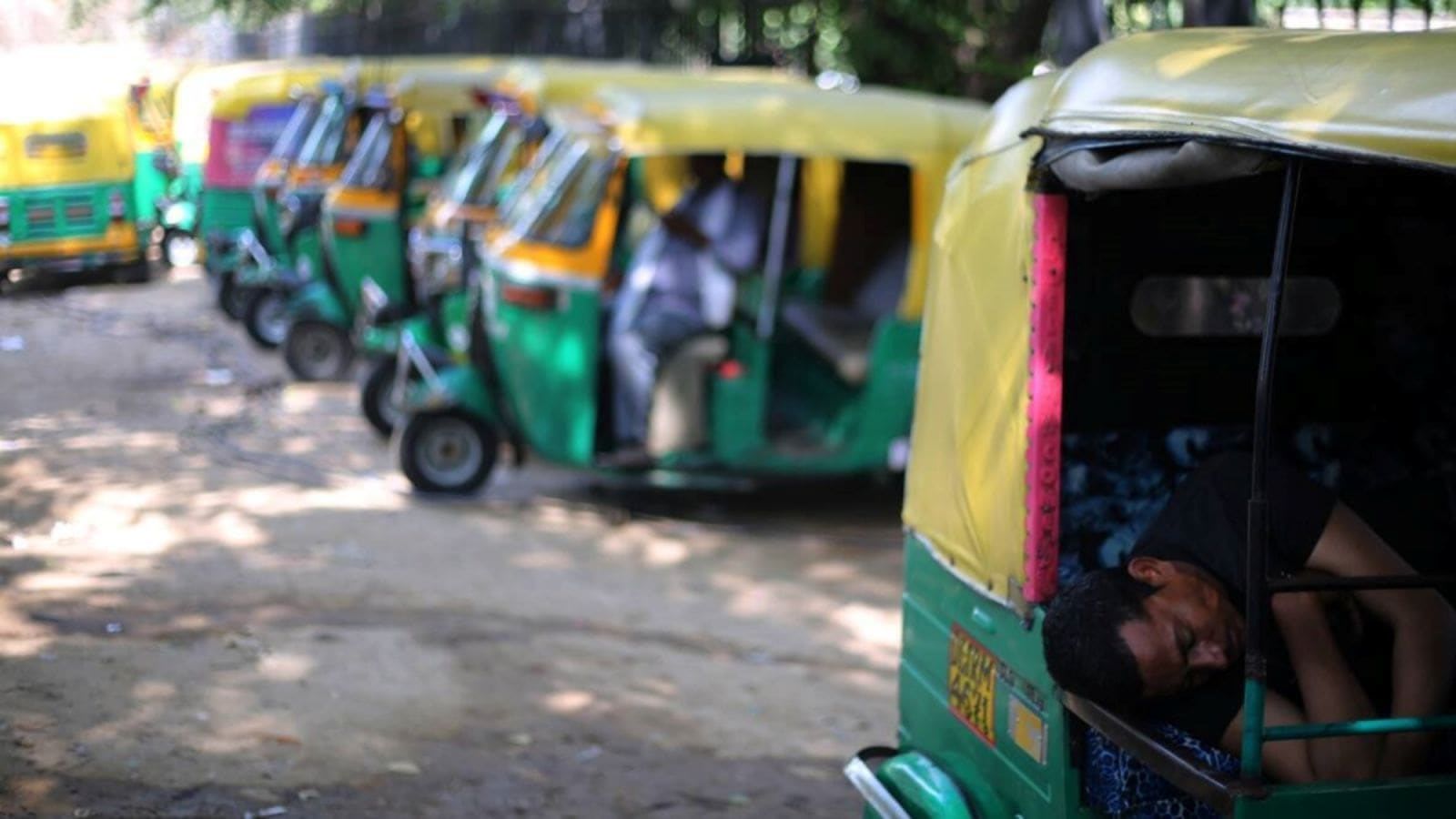
Auto-rickshaw drivers in the Mumbai Metropolitan Region are demanding a Rs 2 temporary surcharge to offset rising CNG costs. The Mumbai Rickshawmen’s Union has formally appealed to the Chief Minister for an interim fare revision.
The Economic Strain on Mumbai's Auto-Rickshaw Sector
Auto-rickshaw drivers operating within the Mumbai Metropolitan Region (MMR) have officially petitioned the government for a temporary Rs 2 surcharge on fares. This demand arises from the persistent escalation of compressed natural gas (CNG) prices, which serves as the primary fuel source for the city’s vast fleet of three-wheelers. The drivers argue that the current fare structure has become unsustainable, failing to reflect the real-time operational expenses that have surged alongside wider inflationary pressures.
Inflationary Pressures and CPI Correlation
Beyond the direct impact of fuel costs, the drivers have highlighted a significant rise in the Consumer Price Index (CPI). As the cost of living increases, the maintenance and operational overhead for auto-rickshaws—including spare parts, vehicle servicing, and general inflation—have climbed concurrently. By requesting this surcharge, the unions are seeking to bridge the gap between their static income and the rising cost of essential goods and services, ensuring that their take-home earnings remain viable in an increasingly expensive urban economy.
The Union's Stance on Regulatory Discrepancies
Thampi Kurien, a prominent leader of the Mumbai Rickshawmen’s Union, has been vocal about the systemic disconnect between fuel pricing and fare regulation. According to the union, the formula currently used to determine fare structures is outdated, as it relies on fuel price benchmarks that no longer align with current market realities. Kurien argues that the burden of these market fluctuations is being unfairly shifted entirely onto the shoulders of the drivers, who operate on thin margins and rely on daily earnings to survive.
Legislative Intervention and Future Outlook
In a formal letter addressed to Chief Minister Devendra Fadnavis, the union has called for an interim fare revision to provide immediate relief. This move signals a growing tension between public transport affordability and the economic survival of transport providers. If the government approves the surcharge, it would serve as a temporary stabilization measure. However, this situation highlights the need for a more dynamic, automated fare-revision mechanism that can adjust in real-time to fuel volatility, preventing the need for recurring ad-hoc petitions.
Broader Implications for Urban Mobility
The resolution of this conflict carries significant weight for the millions of daily commuters in Mumbai who rely on auto-rickshaws for last-mile connectivity. A surcharge, while seemingly minor at Rs 2, could have cumulative impacts on household budgets for low-income commuters. Conversely, failing to address the drivers' concerns could lead to service disruptions or a decline in the availability of safe, regulated transport options. As the government considers this request, it must balance the economic health of its transport workforce with the necessity of maintaining accessible public transit for all citizens.