West Delhi house fire: Woman dies, family members suffer injuries
Source Entity
India Latest News: Top National Headlines Today & Breaking News | The Hindu
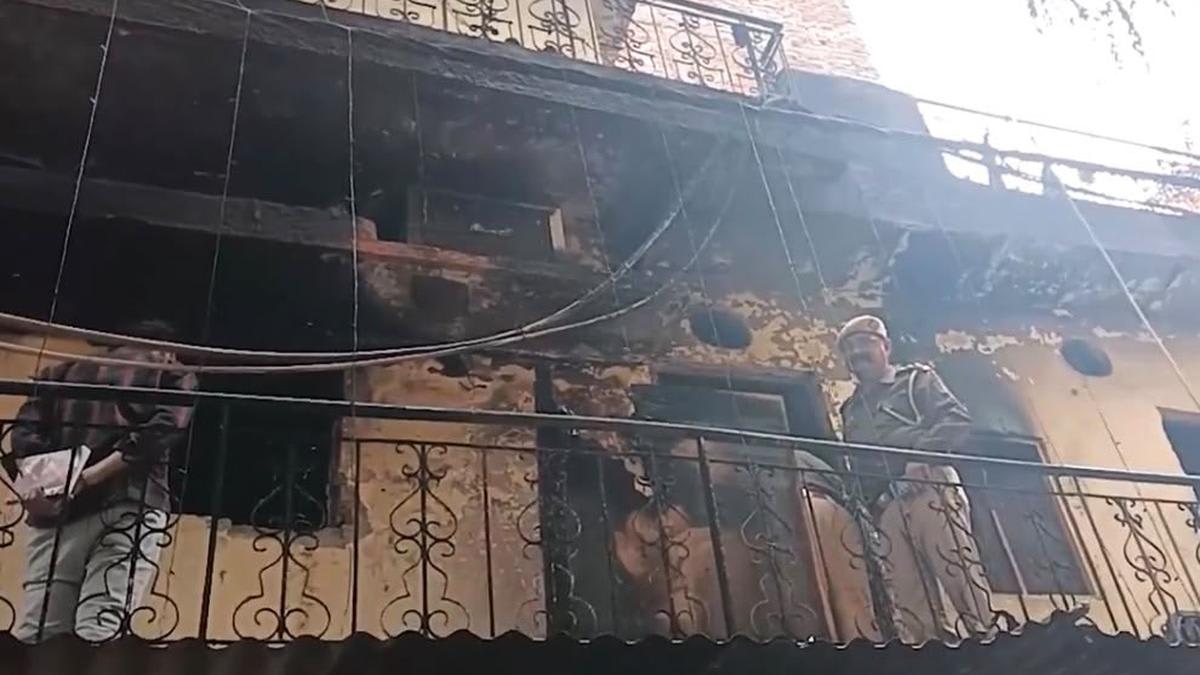
Two separate fire incidents in Delhi have resulted in tragic loss of life and injuries. Authorities are investigating the Lajpat Nagar incident for negligence, while the West Delhi blaze remains under official review.
Fire Safety Crisis: Analyzing Recent Tragedies in Delhi
The recent spate of fire-related fatalities in Delhi underscores a recurring and critical public safety challenge in the capital. Within a short window, two separate incidents—one in a commercial basement in Lajpat Nagar and another in a residential unit in Raghubir Nagar—have claimed lives and left several others with severe burn injuries. These events serve as a grim reminder of the vulnerability of both commercial and residential structures to fire hazards in densely populated urban environments.
The Lajpat Nagar Incident: Regulatory Accountability
In the Lajpat Nagar case, the owner of the four-storey building, Sushant Mehta, was arrested following a fatal fire in the basement. The fire reportedly broke out during welding work intended to install fire safety equipment, highlighting a tragic irony where efforts to improve safety precautions resulted in a catastrophic failure. While the police have registered an FIR under Section 106 of the Bharatiya Nyaya Sanhita (BNS) for negligence leading to death, the fact that the owner was released on bail due to the bailable nature of the charges raises questions about the deterrent strength of current legal frameworks regarding building maintenance and safety protocols.
Residential Vulnerability in Raghubir Nagar
Simultaneously, a residential fire in West Delhi’s Raghubir Nagar resulted in the death of a 40-year-old woman, identified as Sunita, and left two others—Dhruv (20) and Niti (20)—with significant burn injuries. The involvement of domestic articles on the first floor suggests that everyday household conditions, potentially involving electrical or storage hazards, remain a primary threat to families. The rapid response of the fire department, deploying two tenders to the site near Laxmi Jewellers, was unable to prevent the loss of life, emphasizing that reaction time is secondary to the necessity of fire prevention in residential zones.
The Intersection of Negligence and Urban Density
Both incidents highlight the dangerous intersection of urban density and inadequate safety oversight. In the Lajpat Nagar incident, the use of a basement for a commercial studio (Milana Craft Works) while family members resided on the upper floors points to a common pattern of mixed-use buildings that may not strictly adhere to fire safety compliance. When high-risk activities like welding occur in confined spaces without sufficient fire mitigation, the risk to human life increases exponentially.
Future Trends and Necessary Reforms
Looking forward, these tragedies demand a more rigorous enforcement of building safety codes, particularly in older, densely packed neighborhoods of Delhi. Future policy trends must shift from reactive post-fire investigations to proactive, mandatory safety audits for both commercial and residential buildings. Without a systemic overhaul of how fire safety equipment is installed and how residential fire hazards are managed, the cycle of negligence and tragedy is likely to continue.
Conclusion
Ultimately, the loss of life in these instances is a call to action for both property owners and municipal authorities. Whether through the strict application of the BNS for negligence or through increased public awareness regarding domestic fire safety, the protection of lives in the capital must take precedence over the convenience of urban expansion. The legal proceedings in the Lajpat Nagar case will be a bellwether for how future cases of building negligence are handled by the judiciary.
Verification Required?