"Traditions Won't Be Compromised": Amit Shah To Arunachal Dam Protestors
Source Entity
NDTV News Search Records Found 1000
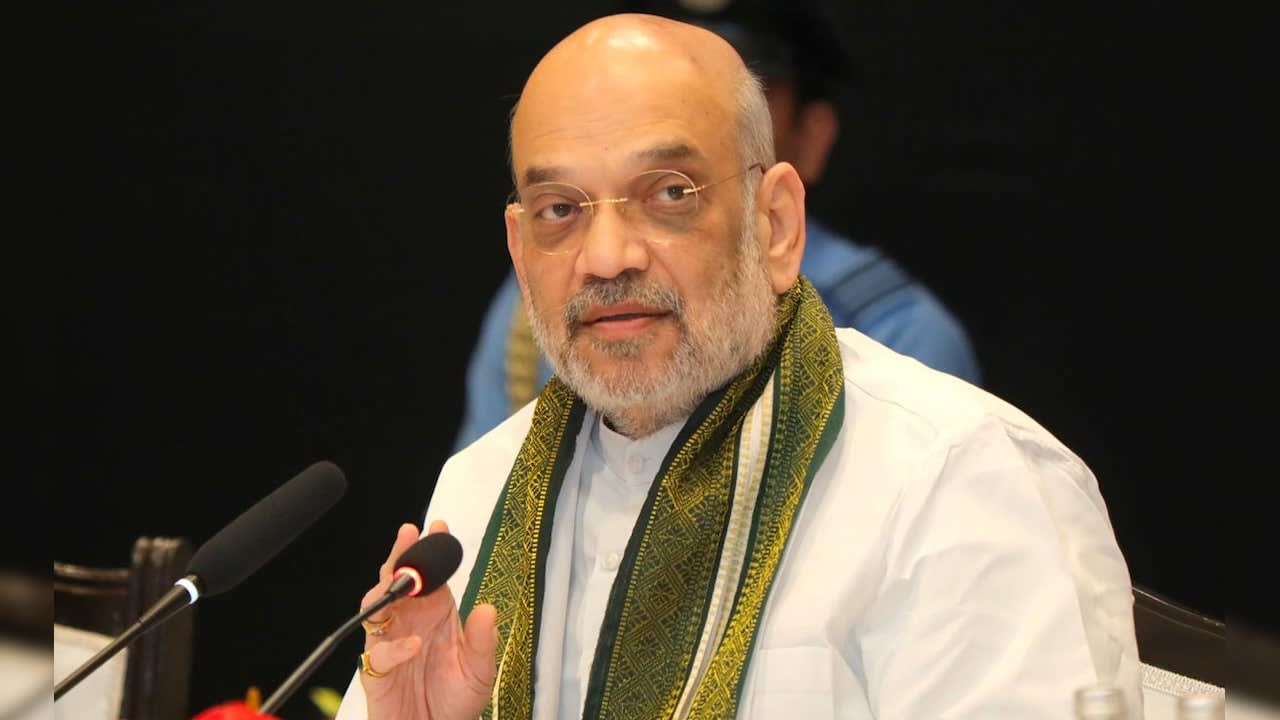
Union Home Minister Amit Shah has assured residents of the Siang Valley that their concerns regarding the 11,200-MW Siang Upper Multipurpose Project will be addressed through constructive dialogue. He emphasized that the project is vital for national energy security while pledging that local culture and traditions will remain protected.
Addressing the Siang Valley Impasse
Union Home Minister Amit Shah has made his first formal remarks regarding the volatile situation in Arunachal Pradesh, specifically concerning the proposed 11,200-MW Siang Upper Multipurpose Project (SUMP). Following an escalation of protests that culminated in violence on October 23, the Home Minister’s intervention marks a critical shift in the government’s approach to infrastructure development in the sensitive border state. By acknowledging the concerns of local residents, the government is attempting to pivot from a purely technocratic development narrative to a more inclusive, consultative framework.
The Strategic Importance of the SUMP
The Siang Upper Multipurpose Project is framed by the Union government as a cornerstone of India’s national energy security and a vital driver of economic growth for Arunachal Pradesh. Beyond the sheer scale of the 11,200-MW capacity, the project is intended to bolster the state’s budget and revenue streams. In the context of India’s push to achieve energy independence and develop its North Eastern frontier, the SUMP is viewed as a national priority that balances developmental necessity with regional integration.
Balancing Development and Cultural Preservation
A central pillar of Amit Shah’s recent statements is the explicit assurance that local traditions, religious beliefs, and cultural heritage will not be compromised during the project’s execution. This reflects a broader government strategy to mitigate the 'alienation' that often arises in regions undergoing rapid industrialization. By promising a 'positive and constructive' dialogue with stakeholders, the Home Minister is signaling that the government recognizes the potential for social friction and is willing to seek a middle ground.
Learning from Past Security Paradigms
Interestingly, the Home Minister drew a parallel between the current outreach in Arunachal Pradesh and the government's success in managing the security climate in Kashmir. By referencing the reduction of local youth involvement in terrorism through the removal of systemic discrimination and alienation, he suggests a governance philosophy that prioritizes trust-building alongside development. The underlying logic is that large-scale national projects are only sustainable if the local population feels like a partner rather than a subject of the initiative.
The Path Forward
The commitment to a high-level review meeting at Lok Bhavan in Itanagar underscores the urgency with which the center is treating this situation. Moving forward, the success of the SUMP will likely hinge on the government’s ability to translate these verbal assurances into tangible policy adjustments that respect the agency of the Siang Valley residents. If the proposed dialogue process proves effective, it could serve as a blueprint for handling future high-impact infrastructure projects in sensitive ecological and cultural zones across India.
Verification Required?