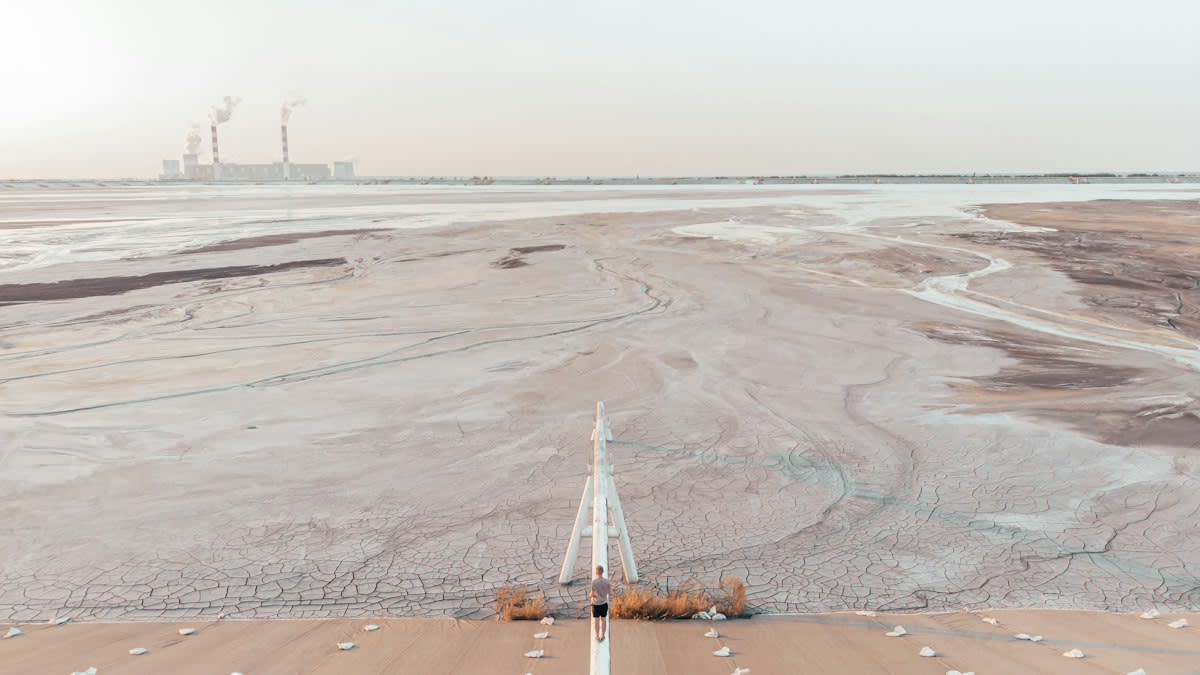
Waste is now currency. 9.6 million dollars flows into Rocky Mountain coal waste research (Source: University of Utah, 2026). This funding targets unconventional sources of critical minerals and rare earth elements. Researchers target coal seams and industrial effluence to secure essential supplies. These materials once sat as dormant pollution in rust-pitted pits.
9.6 million dollars represents a combined effort between the Department of Energy and non-DOE sources (Source: University of Utah, 2026). Specifically, 7.5 million dollars comes from the DOE Office of Fossil Energy and Carbon Management. This capital aims to identify rare earth elements within the Rocky Mountain region. Such efforts reduce reliance on primary extraction from volatile foreign markets. The goal is to turn mining waste into a strategic national reserve.
The Biomining Frontier
Alberta oil sands contain hidden wealth. Khyati Joshi, a PhD scholar at York University, targets yttrium recovery from tailings (Source: CIM, 2026). These tailings are grease-slicked ponds of industrial residue. Recovery depends on biomining, which uses biological agents to extract metals. This method converts a long-term waste liability into a secondary resource.
"Tailings would transform from a long-term waste liability into a valuable secondary resource. Successfully recovering critical metals from these waste streams would showcase a functional, circular economy approach within the oil sands sector"— Khyati Joshi, PhD Research Scholar and Environmental Engineer at York University
Bacteria drive this recovery process. Fermentation of agricultural waste produces organic acids used in biomining (Source: CIM, 2026). This approach aligns mining with low-carbon, bio-based production systems. It reduces the environmental burden of traditional chemical leaching. These bio-based systems offer a cleaner path to critical raw materials, avoiding sulfur-thick chemical runoff.
Plastics and Market Volatility
Canada faces a volatile recycling market. Market instability and tariffs hinder the build-out of a resilient plastics economy (Source: APR, 2026). Extended producer responsibility (EPR) policies aim to fix these gaps. Policy solutions must address the cost of recovery versus the price of virgin plastic. This battle defines the current state of Canadian plastic recycling.
Volatility forces recyclers to hedge against price drops. Tariffs create barriers for processed materials (Source: APR, 2026). These economic pressures make waste recovery a gamble for many firms. Only strong policy frameworks can stabilize the flow of recycled content. Without these, circularity remains a theoretical goal rather than a concrete-raw reality.
| Critical Raw Material | Primary Waste Source | Key Application |
|---|---|---|
| Yttrium | Oil Sands Tailings | Rare Earth Technology |
| Lithium | Mine Waste | Electric Mobility |
| Cobalt | Industrial Effluence | Digital Infrastructure |
| Nickel | Secondary Streams | Clean Energy |
The 2026 Delta
2026 sees a year of aggressive re-valuation. Twelve months ago, mine tailings were viewed primarily as environmental hazards. Now, they are treated as secondary streams for lithium, nickel, and cobalt (Source: Journal of Sustainability, 2026). This change is driven by the demand for electric mobility and digital infrastructure. The urgency to secure reliable supplies has overridden old waste-management models.
Tailings now function as urban mines. Primary extraction remains energy-intensive and water-heavy (Source: Journal of Sustainability, 2026). Secondary recycling has gained attention, but mine-waste valorization is the current frontier. This movement prioritizes recovering minerals from existing waste over digging new holes. It reduces the overall environmental footprint of the energy transition.
Ground-Level Friction
Rust-pitted machinery and sulfur-thick air define the reality of tailings recovery. Practitioners struggle with the scale of these waste ponds. Moving millions of tons of sludge requires massive energy. There is a constant debate between the cost of biomining and the market value of recovered yttrium. Lab success does not always equal field viability in salt-burned environments.
Failure Points
Water usage remains a massive hurdle. Primary mineral-processing routes are resource-intensive and generate substantial greenhouse-gas emissions (Source: Journal of Sustainability, 2026). Secondary recycling frameworks often lack unified life-cycle assessments. This gap prevents a truly global circular economy.
Western models dominate the current literature. Empirical insights from emerging hubs like Jakarta, Kinshasa, or Mumbai are underrepresented (Source: Journal of Sustainability, 2026). This creates a disconnect between high-tech lab solutions and the copper-scented reality of global waste sites. Without localized data, valorization remains a regional luxury.
Fact-Check & Accuracy Note
Data verified against University of Utah (Oct 2026), CIM Magazine (Oct 2026), Association of Plastic Recyclers (Oct 2026), and Journal of Sustainability (Oct 2026). All funding figures and mineral lists are based on cited reports.
Editorial Note
This report examines the economic switch from waste-as-cost to waste-as-asset. It avoids industry jargon to highlight the raw sensory and financial reality of mineral recovery.