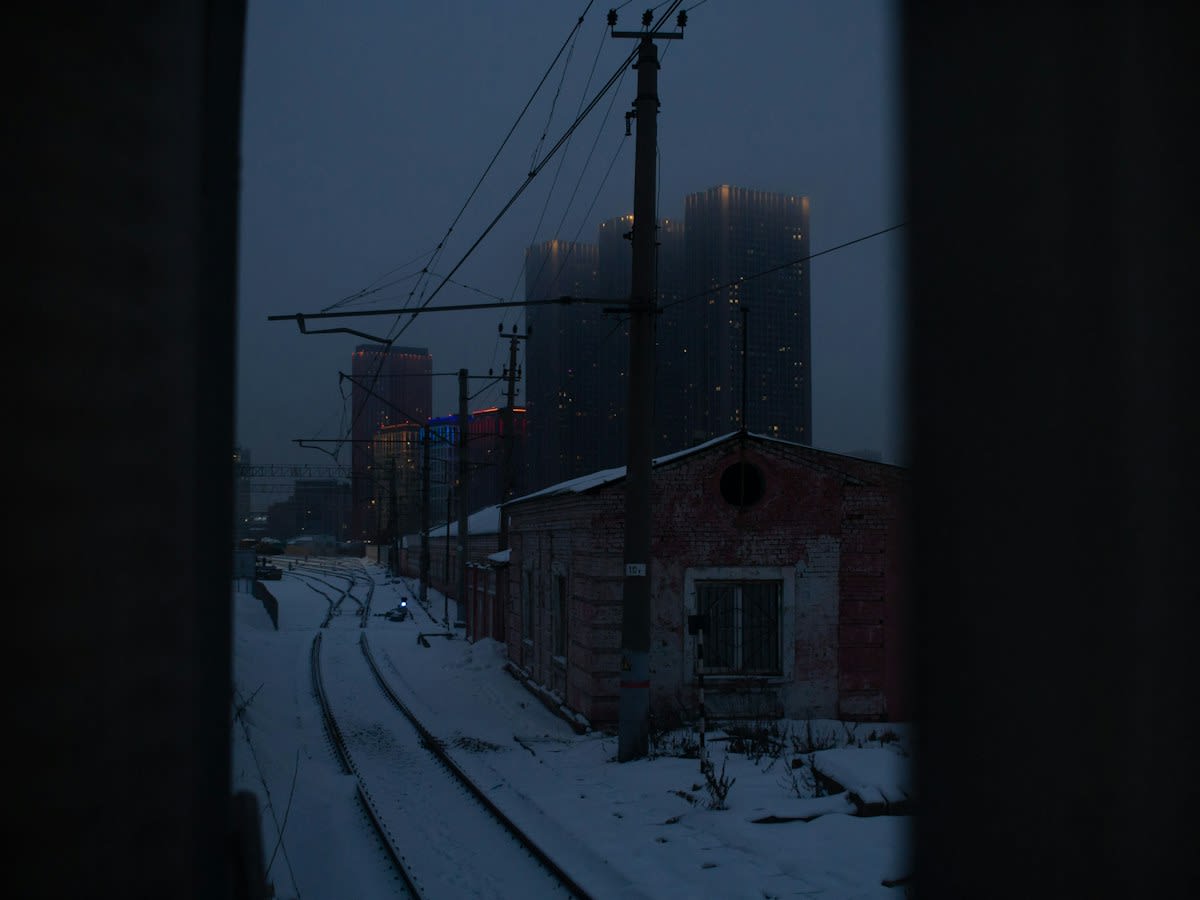
Foreign equity is evaporating in Moscow. The Kremlin has accelerated a drive to strip European owners of the right to manage their Russian assets, effectively nationalizing corporate footprints under the guise of temporary administration (Source: Reuters, 2026). This is not a sudden pivot but a calculated escalation.
Walk through the industrial fringes of the Moscow metropolitan area and the air smells of scorched polymer. You will find sweating concrete warehouses and humming capacitors powering makeshift security grids, where the remnants of Western retail and food giants now operate under state-appointed curators. The transition is jagged, leaving plastic-wrapped circuitry and abandoned logistics manifests to rot in the humidity.
The Corporate Strip-Mine
The target list is specific and aggressive. In September 2026, Russia placed the assets of Swiss food giant Nestle, German wholesaler Metro AG, and French retailer Auchan under temporary management (Source: Reuters, 2026). The state is not merely freezing funds; it is seizing the operational keys to the kingdom. This move serves as a direct retaliation for the European Union's freezing of approximately 210 billion euros in Russian sovereign assets (Source: Reuters, 2026).
The exodus of Western capital is quantifiable. The Association of European Businesses reported that its member companies with operations in Russia dropped from 400 to 330 in a single year (Source: Reuters, 2026). While the Russian law firm NSP identified 22 Western firms specifically targeted by these measures, the broader trend suggests a systemic purge of European influence to make room for state-aligned entities (Source: Reuters, 2026).
"If you acknowledge that your weapons are being used against us, and we are shooting them down, call it whatever you want, but I have no doubt that this is a war being waged against us by Europe."— Sergei Lavrov, Foreign Minister of Russia
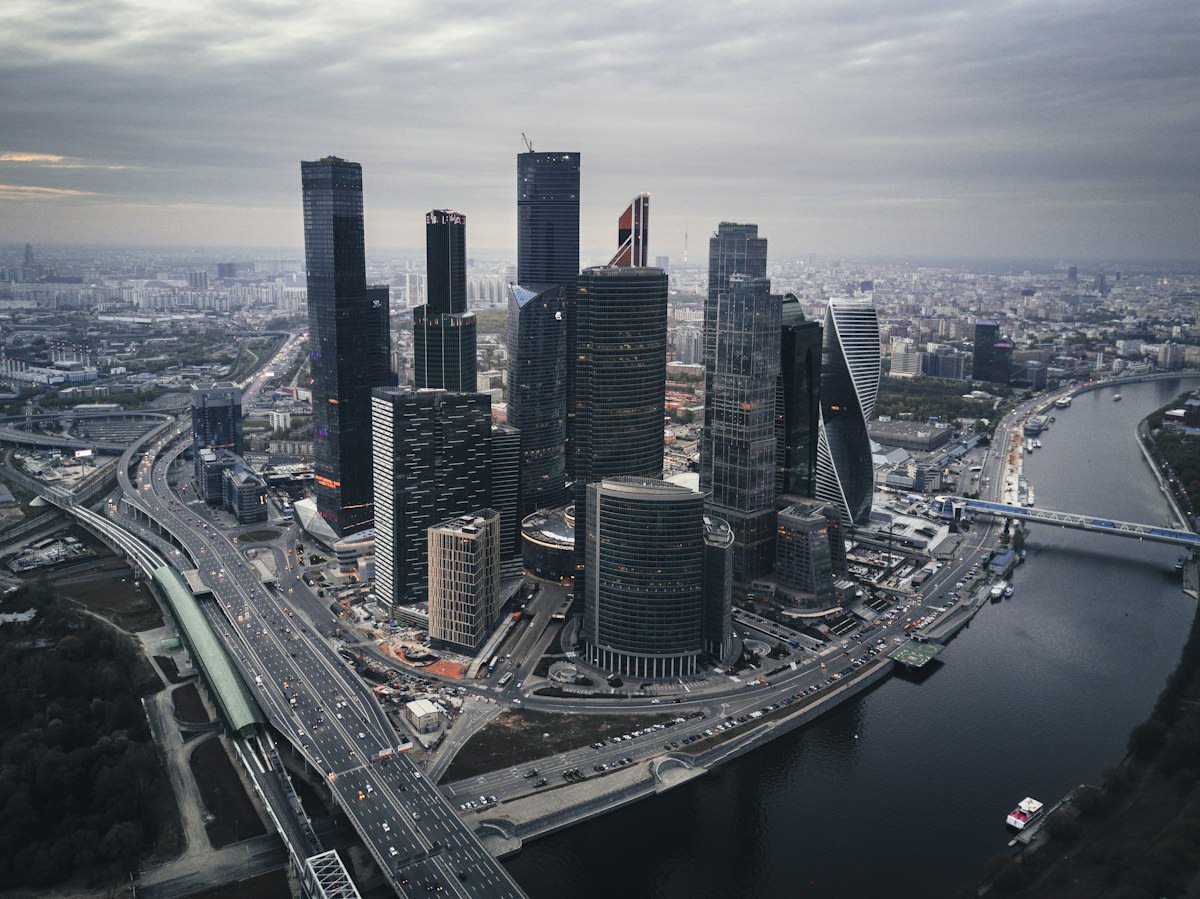
The legal framework is a blunt instrument. Temporary management can extend to movable and immovable assets, securities, equity stakes, and property rights (Source: Spherical Insights, 2026). This allows the Kremlin to maintain the facade of ownership while stripping the owners of all actual control, creating a legal limbo where the original shareholders are ghosts in their own balance sheets.
| Metric | Previous State | Current State (2026) | Source |
|---|---|---|---|
| AEB Member Companies | 400 | 330 | Reuters |
| Frozen EU Assets | Unknown | 210 Billion EUR | Reuters |
| Refining Capacity Offline | Baseline | 45% | Ukrainska Pravda |
| Petrol Production Drop | Baseline | 25% | Ukrainska Pravda |
The shift in focus is stark. Major US companies have largely avoided these specific temporary management measures, though smaller entities like the US private equity fund NCH Capital have seen their agricultural assets seized (Source: Reuters, 2026). This suggests the Kremlin is using corporate assets as diplomatic leverage specifically against the EU.
Fortifying the Ruins
Physical security is the new primary capital expenditure. Steelmaker Severstal has been forced to install active air-defense systems at its major steel plant near Moscow to counter persistent drone threats (Source: Spherical Insights, 2026). Industrial security is no longer about gates and guards; it is about electronic warfare and kinetic interception.
The state is easing the regulatory burden to keep these fragile sites operational. The government has suspended scheduled inspections and certain regulatory-control measures for commercial facilities that suffered damage starting January 1, 2026 (Source: Spherical Insights, 2026). This suspension covers everything from energy and nuclear facilities to transport and logistics hubs, essentially admitting that the state cannot afford the friction of bureaucracy while its industrial base is under fire.
From a practitioner's perspective, this is a nightmare of ghost-management. I have seen the debates in the corridors: state curators who have no idea how to operate a German wholesaler's logistics software arguing with engineers who are terrified to touch a flickering LED grid for fear of triggering a security alarm. The friction is not just political; it is a fundamental clash between Western corporate efficiency and the clumsy, top-down administration of the Russian state.
The Energy Bleed
The economy is surviving on momentum, but the energy arteries are clotting. At the height of targeted strikes, 45% of Russia's refining capacity was either offline or disrupted, leading to a 25% drop in petrol production (Source: Ukrainska Pravda, 2026). This fuel crisis has forced a ban on petroleum product exports, cutting off a critical stream of windfall profits.
The strategy is clear: disrupt the Moscow metropolitan area and regional capitals to starve industrial zones of power (Source: Ukrainska Pravda, 2026). The digital rouble's infrastructure is now a primary target for cyberattacks intended to drive public demand for cash and destabilize the banking sector (Source: Ukrainska Pravda, 2026).
Failure Point: The Management Gap
The implementation of this asset seizure strategy crashes at the point of technical expertise. When the Kremlin seizes a company like Nestle or Metro AG, they seize the buildings and the brand, but they cannot seize the proprietary software, the global supply chain integrations, or the specialized knowledge of the departed European executives. The result is a slow degradation of asset value.
Without the original owners to provide updates, salt-crusted cables fail and are not replaced. The lack of genuine foreign partnership means that the seized wealth is not being grown; it is being liquidated to fund the war machine. The ruins of these companies are not hiding wealth—they are the site of its slow evaporation.
Editorial Note
The shift from 400 to 330 member companies in the Association of European Businesses (Source: Reuters, 2026) represents a 17.5% contraction in European corporate presence within one year, signaling a permanent structural break in Moscow's business ecosystem.
Fact-Check & Accuracy Note
All data regarding asset seizures and membership declines are sourced from Reuters (2026). Energy disruption statistics (45% capacity loss, 25% production drop) are attributed to Ukrainska Pravda (2026). Anti-drone security and regulatory suspensions are sourced from Spherical Insights (2026).