Homeowners are sitting on record equity – and not using it
Source Entity
US Top News and Analysis
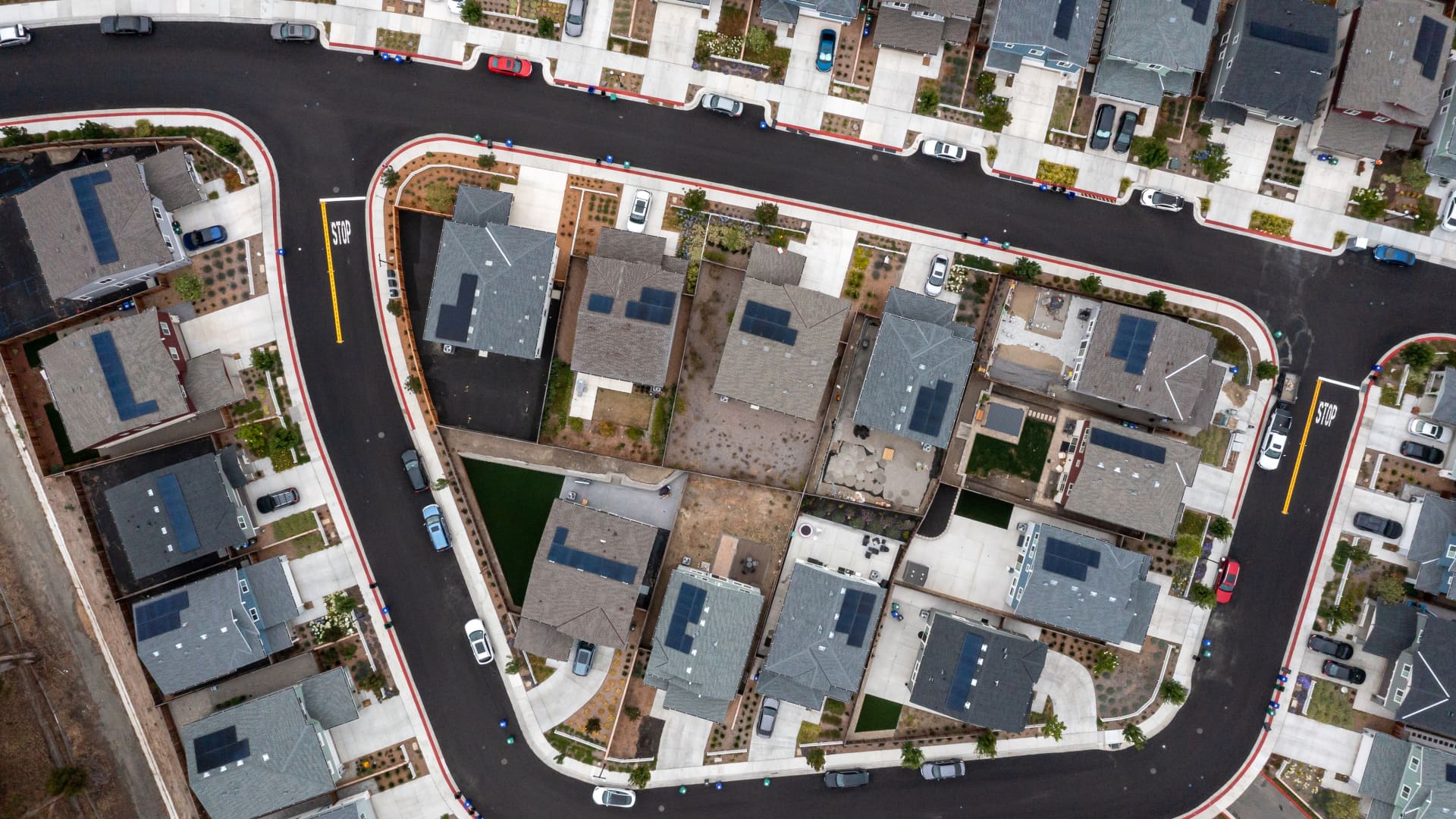
U.S. homeowners are currently holding a record $11.5 trillion in tappable equity due to rising property values. Despite this wealth, borrowing activity remains historically low, reflecting a cautious consumer approach to debt.
The Paradox of Record Housing Wealth
American homeowners are currently experiencing an unprecedented period of fiscal strength regarding their residential assets. According to recent data from Cotality, the total amount of "tappable" home equity—defined as the capital homeowners can extract while maintaining lender-required loan-to-value ratios—has reached a staggering $11.5 trillion. This accumulation of wealth is the direct result of a multi-year surge in national home prices, which has significantly inflated the net worth of property owners across the United States.
The Scale of Accumulated Equity
Beyond just the accessible "tappable" portion, the broader financial picture is equally impressive. Borrowers with existing mortgages now hold a combined total of $17.9 trillion in housing equity. On an individual level, this translates to an average of $310,000 per homeowner, a figure that represents an increase of $6,000 in just the last three months alone. This consistent growth in equity underscores the resilience of the U.S. housing market despite various macroeconomic pressures.
A Cautious Approach to Debt
Despite this immense reservoir of wealth, homeowners are demonstrating remarkable restraint. While there was a 20% increase in the origination of second mortgages and Home Equity Lines of Credit (HELOCs) in the first quarter of this year, this activity remains negligible in the broader context. In fact, this uptick represents less than 0.1% of the total available tappable equity. This data suggests that homeowners are prioritizing long-term stability over liquidating their home wealth for immediate consumption.
Macroeconomic Implications
This trend of "equity hoarding" carries significant implications for the broader economy. Typically, when home equity rises, it serves as a catalyst for consumer spending, as homeowners use debt products to fund renovations, debt consolidation, or major purchases. The current hesitation to tap into this $11.5 trillion suggests a shift in consumer sentiment, likely driven by high interest rates or a desire to maintain existing low-rate mortgage positions, which discourages refinancing or taking on new, higher-cost debt.
Future Trends and Outlook
Looking forward, the reluctance to leverage home equity may signal a cooling trend in consumer-driven economic growth. As long as the cost of borrowing remains elevated, it is unlikely that we will see a massive surge in home equity extraction. Instead, homeowners appear to be treating their properties primarily as a store of value rather than a tool for liquidity. This conservative stance may provide a buffer against potential market volatility, as homeowners remain insulated with significant "cushion" in their residential assets.
Conclusion
In summary, while the U.S. housing market has minted record levels of wealth for homeowners, this capital remains largely locked within the walls of their homes. This dynamic reflects a cautious fiscal environment where property owners are choosing to preserve their equity rather than trade it for liquid cash, a trend that continues to shape the current economic landscape.