India’s coal stocks at power plants slide 24% amid unusual demand surge
Source Entity
Pratyush Deep
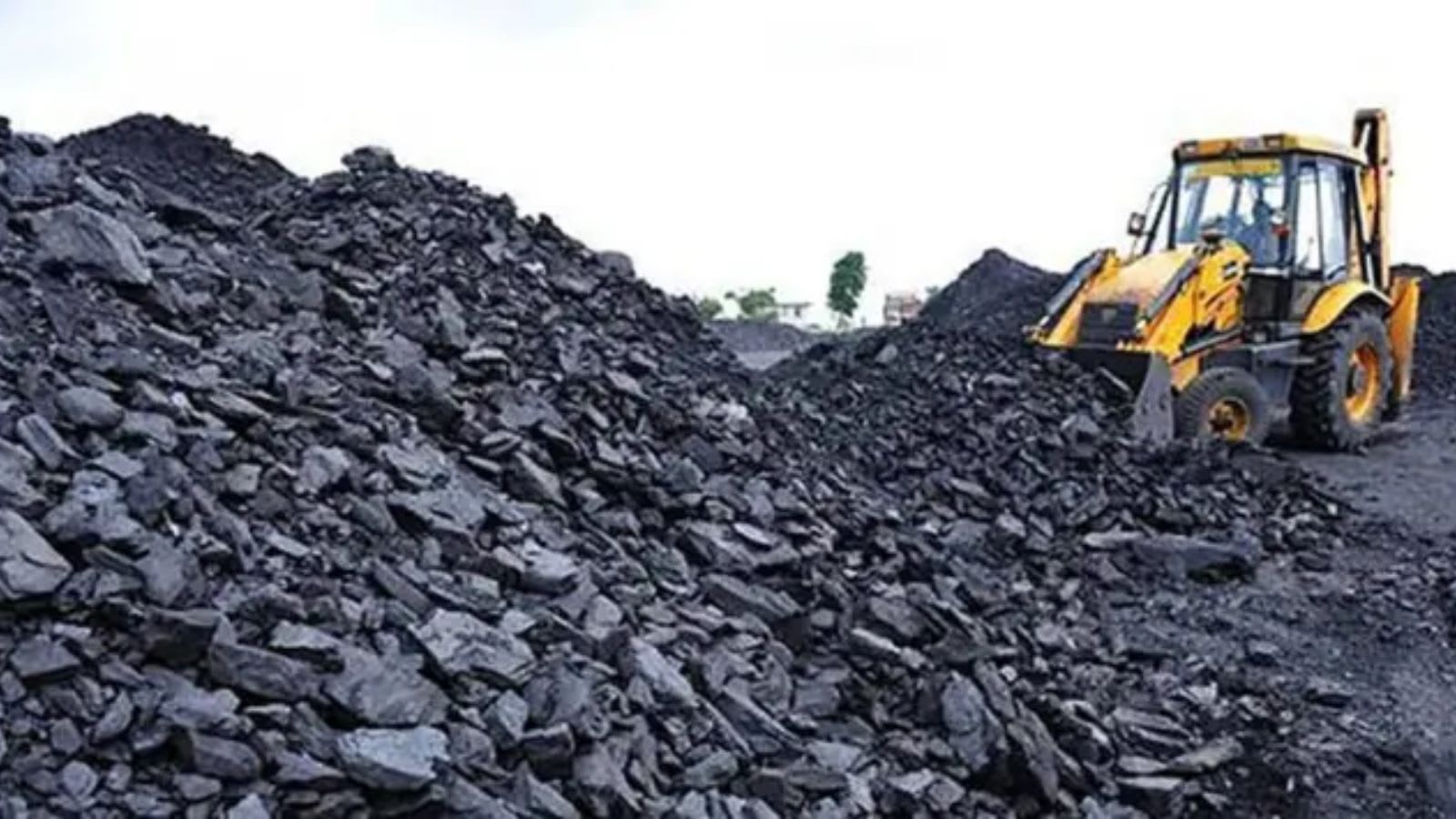
India's coal power plants face a 24% decline in reserves due to record-breaking September electricity demand. This crunch, driven by El Niño weather patterns and reduced hydropower, highlights the nation's ongoing reliance on coal for grid stability.
The Growing Strain on India's Power Grid
India is currently navigating a precarious energy landscape as domestic coal-based power plants report a significant 24% decline in fuel stocks since the beginning of September. Despite localized rainfall providing temporary relief in some regions, the overall inventory situation remains critical. This depletion serves as a stark indicator of the volatility inherent in meeting India’s rapidly expanding energy requirements during transitional weather months.
The Drivers of Unprecedented Demand
The primary catalyst for this supply crunch is an unseasonal and intense surge in electricity demand. On September 10, India recorded a peak power demand of 269 gigawatts (GW), a figure that stands remarkably close to the year’s all-time peak of 270 GW observed in May. This trend suggests that the traditional 'summer-only' peak demand curve is shifting, with September now witnessing consumption levels that typically characterize the height of the summer season.
The Impact of Climate and Weather Patterns
Beyond simple consumption growth, systemic environmental factors have exacerbated the crisis. The decline in hydropower output, attributed to deficient rainfall and broader El Niño-influenced weather conditions, has forced the national grid to lean more heavily on coal-based thermal generation. When renewable and hydro sources fail to meet the baseload demand, thermal plants must increase output, thereby accelerating the consumption of existing coal stockpiles.
Strategic Implications for Coal Reliance
This situation underscores the persistent, heavy reliance on coal to maintain grid stability. As the nation pivots toward cleaner energy, the current reliance on thermal power remains the backbone of the grid. The rapid drawdown of reserves during a month that typically experiences a cooling effect suggests that infrastructure planning must account for more frequent and unpredictable peak demand spikes linked to climate variability.
Looking Ahead: Grid Resilience and Future Trends
As of late September, the continued slide in coal stocks presents a logistical challenge for power producers. Moving forward, the government and power authorities will likely need to prioritize supply chain efficiency and coal distribution to ensure that thermal plants remain adequately fueled. This event highlights the necessity for a more diversified energy mix to mitigate the risks associated with climate-driven fluctuations in both demand and renewable energy generation.