Oura shelves its $2.2B IPO citing ‘uncertainty’ in the market
Source Entity
Ram Iyer
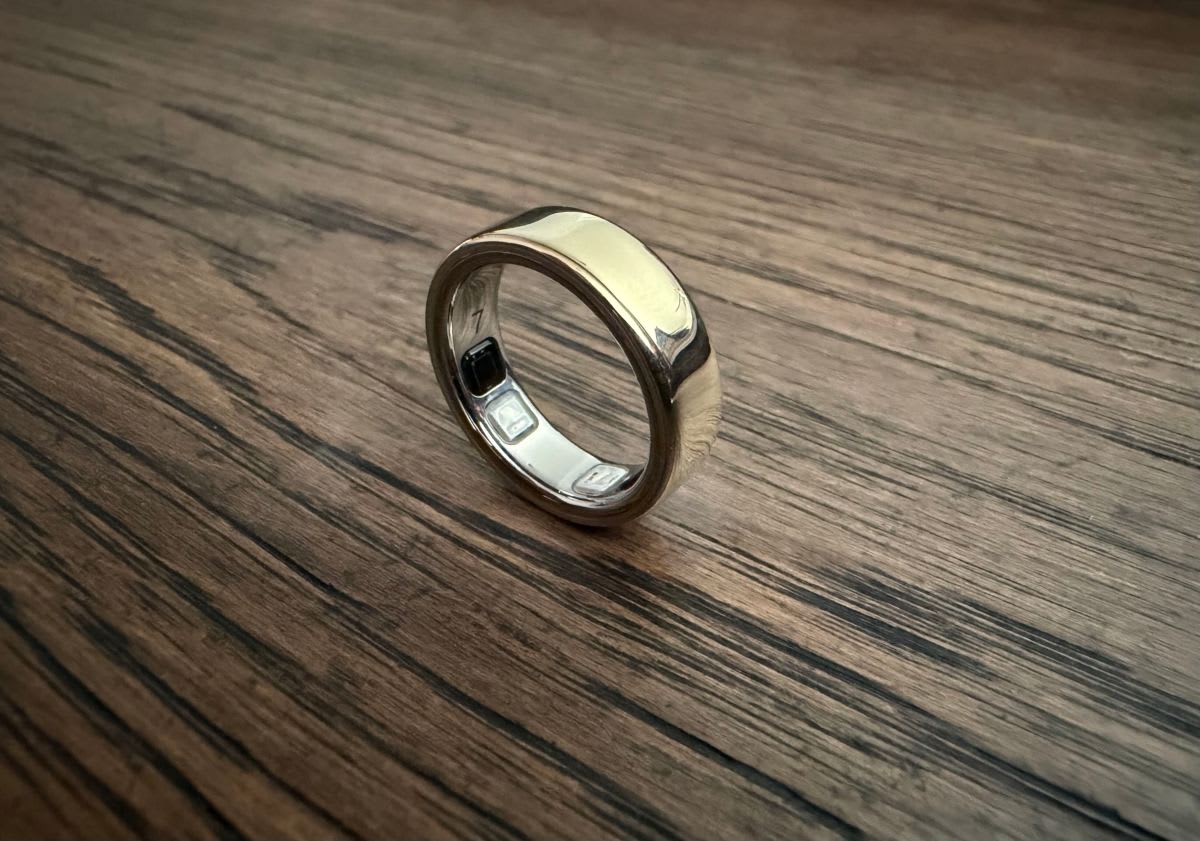
Smart ring manufacturer Oura has indefinitely postponed its $2.2 billion IPO, citing broader market volatility. Despite this delay, the company maintains strong business performance and intends to pursue public listing when market conditions become more favorable.
Oura Pauses Public Listing Ambitions
Smart ring manufacturer Oura has officially announced the indefinite postponement of its highly anticipated initial public offering (IPO), which sought to raise up to $2.2 billion. The company, which had filed to offer 55 million shares at a price range of $40 to $44, aimed for a valuation of approximately $15 billion. By citing "uncertainty in the IPO market," Oura leadership has signaled a cautious approach to entering public equity markets during a period of macroeconomic instability.
Strategic Patient Capital
CEO Tom Hale emphasized that the company possesses the "luxury of choosing our moment," framing the IPO as merely one step in a broader long-term mission to improve consumer health outcomes. This strategic pivot suggests that Oura is prioritizing the long-term value for its stakeholders over the immediate liquidity provided by public markets. By waiting for a more stable climate, the company aims to ensure that its eventual debut provides a more favorable outcome for both its employees and early investors.
Business Strength Amidst Delay
Interestingly, the decision to delay the listing does not appear to be rooted in operational weakness. Oura reported that its business has strengthened since the inception of the IPO process, bolstered by high demand for its wearable health technology. The successful reception of the Oura Ring 5 further underscores the company’s current product-market fit. This decoupling of business performance from market readiness is a common tactic for growth-stage companies that do not face immediate cash-flow constraints.
Market Dynamics and Investor Sentiment
Market uncertainty often refers to fluctuations in investor sentiment, interest rate environments, and broader macroeconomic conditions that dictate IPO pricing. For a company like Oura, which operates in the competitive wearable technology sector, timing is critical to achieving the desired $15 billion valuation. A volatile market can lead to discounted valuations, which would dilute the value for existing shareholders and employees who have invested time and capital into the company’s growth.
Future Outlook for Wearable Tech
Looking ahead, Oura’s decision to wait suggests a trend of increased scrutiny in the tech IPO sector. While the company continues to "execute against the opportunities ahead," the path to a public listing remains open. Future success will likely depend on maintaining the momentum of their product cycle and proving that their health-tracking ecosystem can continue to scale in a post-pandemic landscape where consumer interest in personal biometric data remains high.
Conclusion
Ultimately, Oura’s choice to shelve its $2.2 billion IPO reflects a disciplined management style that prioritizes capital preservation over rapid market entry. By choosing to wait, the company avoids the risks of a poorly received public debut, opting instead to focus on its core operations. As the market stabilizes, Oura remains well-positioned to revisit its public listing plans when the environment is more conducive to achieving its desired valuation targets.