
The End of the Invisible Supply Chain
The era of the invisible supply chain is dead. For decades, the global economy operated on a convenient fiction: that minerals were mere commodities, floating in a borderless market governed by the lowest price. That fiction evaporated the moment critical minerals became the new oil. We are witnessing a systemic pivot from just-in-time efficiency to just-in-case security. This is not a temporary glitch in the matrix of global trade, but a permanent reconfiguration of how power is brokered through the earth's crust.
Why does this matter to a consumer in a city thousands of miles from a lithium brine pool? Because the cost of stability is inflation. When states move to nationalize resources or impose export bans, they are effectively adding a sovereignty tax to the raw materials that power modern life. This tax doesn't appear as a line item on a receipt, but it manifests in the rising price of a smartphone, the increased lease on an electric vehicle, and the creeping cost of home energy storage. We are trading the volatility of the open market for the rigidity of state mandates.
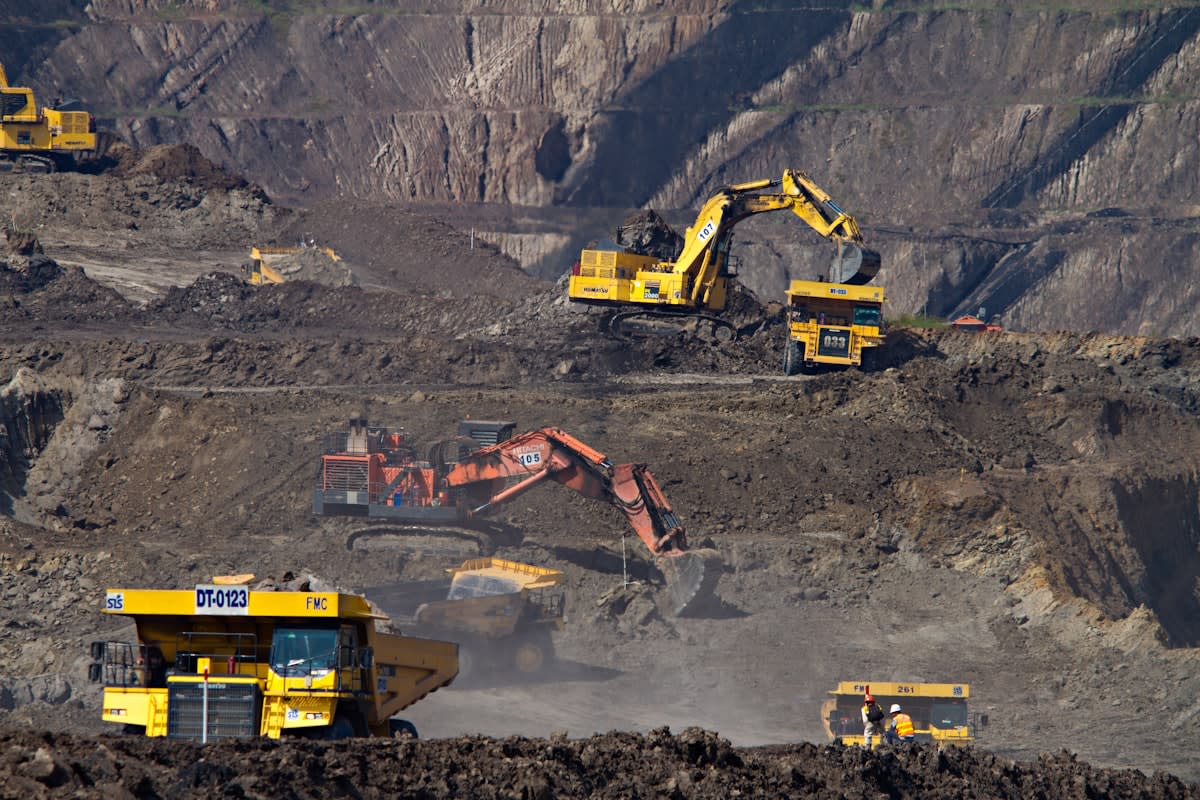
Consider the strategic logic driving this shift. In the past, a resource-rich nation was content to export raw ore and import finished goods. Today, that model is viewed as an economic surrender. Governments are now demanding 'downstream' investment, forcing companies to build refineries and factories within their borders as a condition for access to the minerals. While this creates local industrialization, it shatters the efficiency of global logistics. Shipping raw materials to the most efficient processor is replaced by shipping them to the most politically compliant processor.
"We are no longer in a world of comparative advantage; we are in a world of strategic advantage. The cost of a mineral is no longer determined by the cost of extraction, but by the cost of the diplomatic relationship required to acquire it."— Strategic Analyst, Global Trade Forum
Indonesia provides the most aggressive blueprint for this new order. By banning the export of raw nickel ore, Jakarta forced global mining giants to invest billions in domestic smelting operations. The goal was simple: stop being a quarry and start being a hub. While this move successfully accelerated Indonesia's industrialization, it sent shockwaves through the global nickel market. When the largest producer of a critical battery component restricts supply to force investment, the resulting price spikes are eventually passed down to the end-user.
This pattern repeats across the Lithium Triangle of Chile, Argentina, and Bolivia. The push for state-led control over lithium—the white gold of the energy transition—mirrors the oil nationalization movements of the 1970s. When a state decides that its lithium belongs to the people rather than the shareholders of a multinational, the immediate result is often a period of investment paralysis. Capital flees uncertainty. When investment stalls, supply lags behind the exploding demand for EVs, and the price of every battery-powered device climbs.
This is not merely a diplomatic spat; it is a fundamental restructuring of how value is captured in the global economy.
| Mineral | Primary Geopolitical Lever | Nationalist Strategy | Consumer Impact |
|---|---|---|---|
| Nickel | Indonesia | Export Bans/Downstream Mandates | Higher EV Battery Costs |
| Lithium | Chile/Bolivia | State-Led Ownership Models | Price Volatility in Electronics |
| Cobalt | DRC | Mining Concession Re-negotiation | Ethical Premiums & Supply Gaps |
| Rare Earths | China | Export Quotas & Processing Dominance | Hardware Inflation (Magnets/Motors) |
The Democratic Republic of Congo (DRC) holds roughly 70% of the world's cobalt, a mineral essential for high-energy-density batteries. Here, resource nationalism takes the form of aggressive contract renegotiations and the tightening of mining concessions. When the state seeks a larger slice of the pie, it often introduces regulatory friction. This friction manifests as delays in production or sudden tax hikes. For the global consumer, this means the cobalt in their laptop is subject to the political whims of a single capital city.
The Hidden Cost of Alignment
The Security Paradox: In the pursuit of 'energy security' by diversifying supply chains away from a single dominant player, nations are actually increasing costs. Friend-shoring—trading only with political allies—is inherently less efficient than trading with the lowest-cost producer.
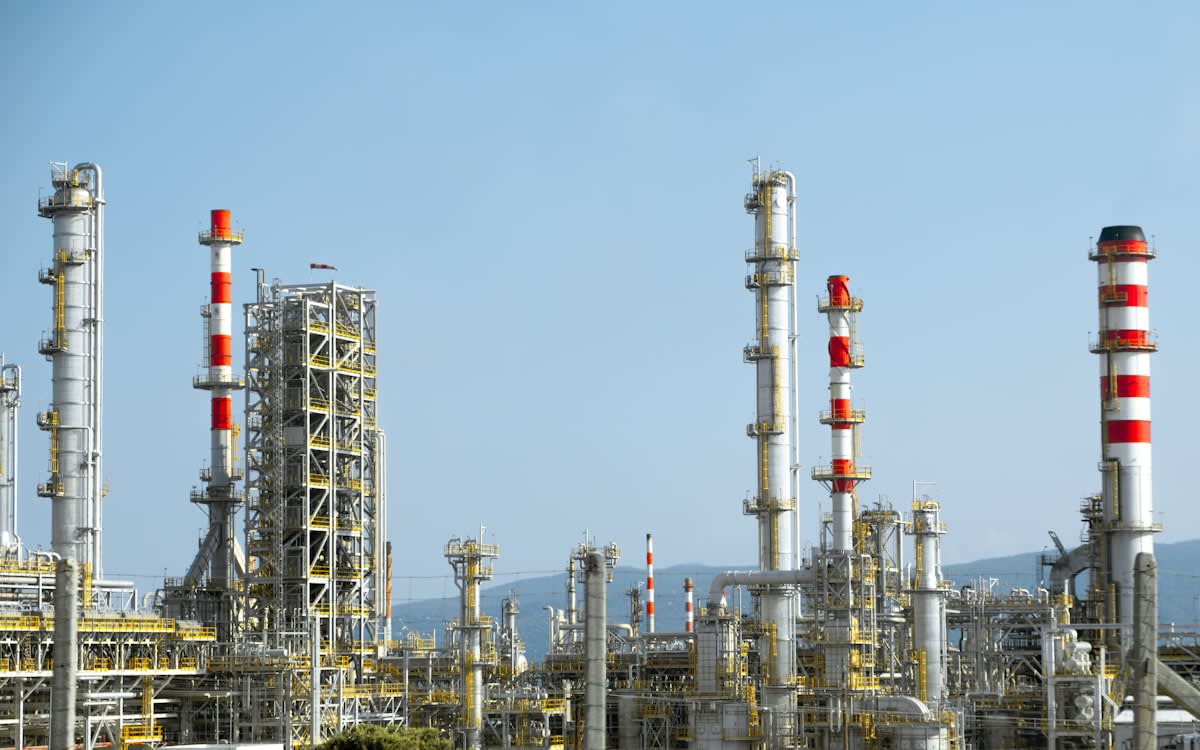
Then there is the processing bottleneck. Extracting the mineral is only half the battle; refining it is where the real power lies. China currently controls approximately 80% of the processing for several rare earth elements. The West's attempt to break this monopoly through the Inflation Reduction Act and similar subsidies is a massive industrial gamble. While these policies aim for resilience, they are effectively subsidies for higher-cost domestic production. We are paying a premium to avoid dependency, and that premium is baked into the price of every wind turbine and missile guidance system.
Can we simply mine our way out of this? The answer is a resounding no. A new mine takes an average of 16 years to move from discovery to production. You cannot solve a geopolitical supply shock with a 16-year lead time. This lag creates a permanent state of scarcity that speculators exploit, driving prices higher than the actual cost of production. The resulting price swings—sometimes exceeding 400% in a single year for lithium—make long-term pricing for consumer goods nearly impossible.
The shift toward friend-shoring and near-shoring is the final piece of the inflationary puzzle. By restricting trade to a circle of trusted allies, the global economy is fragmenting into regional blocs. This reduces the pool of available suppliers and eliminates the competitive pressure that kept prices low for thirty years. We are moving from a world of global competition to a world of club-based procurement.
However, this friction also creates a massive opportunity for adaptation. The scarcity driven by resource nationalism is the most powerful catalyst for the circular economy. When the cost of virgin lithium becomes prohibitive due to state mandates, the economic case for urban mining—extracting minerals from old electronics—becomes undeniable. The real winners of this era will not be the nations with the most minerals, but the nations with the best recycling technology.
Ultimately, the scramble for critical minerals is a mirror of the 20th-century struggle for oil, but with a more complex chemistry. The cost of living is no longer just about interest rates or labor costs; it is about the geopolitical accessibility of the periodic table. As nations continue to fence off their geological assets, the global consumer will continue to pay the sovereignty tax. The challenge is not to stop resource nationalism—which is an inevitable tide—but to build an economic system that is resilient enough to survive it.