
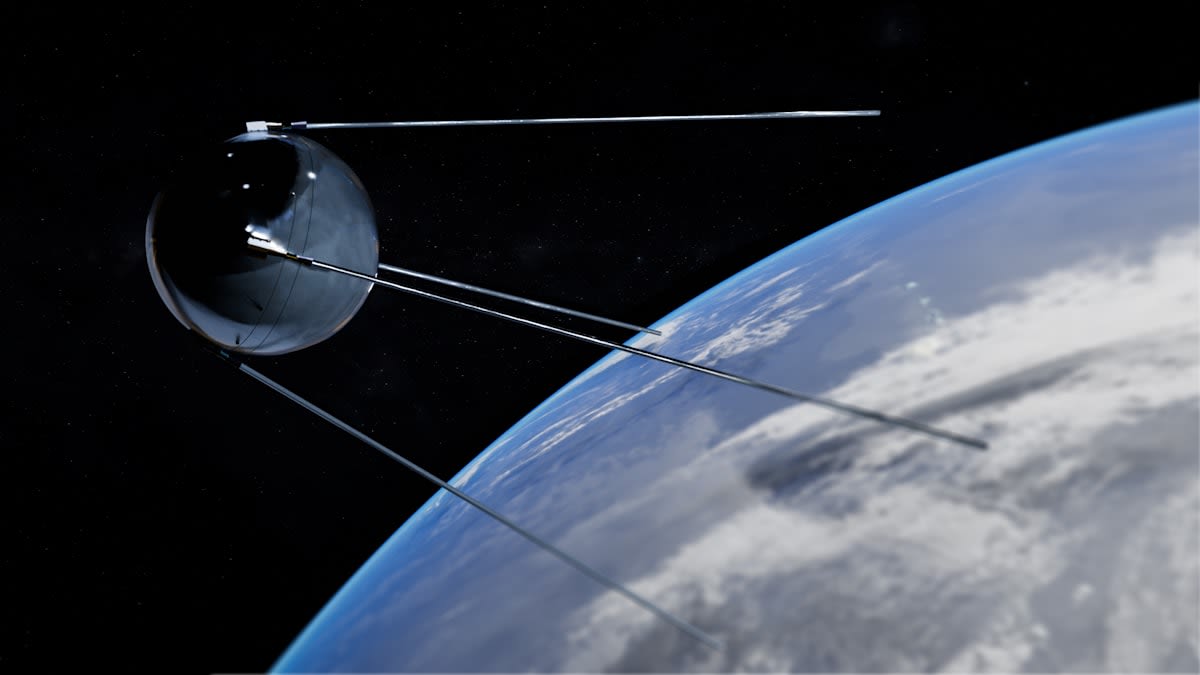
The stakes of the new space race are no longer measured just in altitude or velocity, but in the premiums paid to hedge against total loss. This month, the industry received a stark reminder of orbital volatility with the loss of AST SpaceMobile's BlueBird 7. Launched via the New Glenn vehicle, the satellite was placed into an orbit lower than planned by the upper stage. Because the altitude was too low for its on-board thruster technology to sustain operations, the asset is destined to de-orbit. In a previous era of space exploration, such a failure could have been a catastrophic blow to a company's balance sheet.
Today, the narrative is different. AST SpaceMobile is moving from technology proof-of-concept toward a commercial footing, bolstered by contracted revenue commitments exceeding US$1.2 billion and 2026 revenue guidance between US$150 and 200 million. The critical differentiator here is the insurance policy. The cost of the BlueBird 7 satellite is expected to be recovered through insurance, effectively decoupling the technical failure of a launch from the financial survival of the firm. This shift transforms a potential disaster into a manageable line item, illustrating how the orbital risk premium is now a prerequisite for scaling space infrastructure.
"The business is moving from technology proof-of-concept toward a more commercial footing, even as it absorbs a material satellite loss."— Analysis of AST SpaceMobile Risk Profile
This resilience isn't happening in a vacuum; it is mirrored in the broader evolution of the Excess and Surplus (E&S) insurance market. As traditional carriers shy away from high-volatility assets, the E&S segment has stepped in to fill the void. According to the WSIA year-end 2025 report, surplus lines premiums across 15 stamping-office states surged to $90.3 billion, a significant climb from the $83.8 billion recorded in 2024. This 7.8% growth in premium volume, coupled with a 14.1% rise in item counts, suggests that the appetite for specialty risk is expanding even as other sectors of the insurance market fluctuate.
The Two-Speed Market: Divergence in Risk Pricing
We are currently witnessing what IMA Financial Group describes in its Q2 2026 report as a two-speed market. This phenomenon creates a sharp divide between different classes of risk. On one side, property and select professional lines are easing, with Lockton reporting that non-habitational commercial property rates dropped by 5% to 10% at renewal in February 2026. This softening is largely attributed to abundant catastrophe reinsurance capacity following a mild 2025 hurricane season. When capacity is high and losses are low, premiums inevitably slide.
Conversely, the second speed of the market is characterized by hardening rates in commercial auto, umbrella, and general liability. This divergence is the defining feature of the 2026 insurance landscape. For the space industry, this means that while general commercial property might be cheaper, the specialized liability and casualty insurance required for orbital operations remains a high-cost, high-scrutiny environment. The 'hardening' of these lines indicates that insurers are becoming more selective, demanding tighter underwriting discipline before committing capital to the void of space.
| Metric | 2024 Value | 2025 Value | Growth % |
|---|---|---|---|
| Surplus Lines Premium | $83.8 Billion | $90.3 Billion | 7.8% |
| Item Counts | Baseline | Increased | 14.1% |
Why does this matter for the orbital economy? Because space ventures are essentially the ultimate specialty risk. They do not fit into standard property boxes. By operating within the E&S market, space companies can find the capacity they need, but they must pay the premium for that flexibility. The growth in surplus lines indicates that capital is available for these high-stakes bets, provided the underwriting is rigorous. This creates a symbiotic relationship where the insurer's profit is derived from the risk premium, while the company's growth is enabled by the safety net.
The current trend toward underwriting discipline is not just a reaction to loss, but a strategic shift toward profitability. Selective Insurance Group's Q2 earnings call highlighted this approach, with CEO John Marchioni noting that the company is actively seeking profitable accounts and improving its risk mix rather than waiting for market turns. This suggests that the era of easy capital for any space-themed venture is over. Today, the focus is on technology-driven operational improvements in underwriting and claims to ensure that the risks being taken are calculated and sustainable.
From Chaos to Calibration: Lessons from Terrestrial Risk
To understand where space insurance is heading, we can look at the stabilization of the Florida home insurance market. Between 2022 and 2024, Florida faced six direct hurricane hits, leading to skyrocketing premiums and a cautious carrier environment. However, by 2026, improved conditions and stronger insurer capitalization have created a more stable environment. The lesson here is that extreme volatility eventually leads to a new equilibrium. The space industry is currently in its 'hurricane phase'—a period of high failure rates and pricing shocks—but it is moving toward a phase of calibration.
As launch vehicles like New Glenn become more common, the data pool for failures grows. This data allows insurers to move away from guesswork and toward precise actuarial models. When a satellite like BlueBird 7 fails due to a specific upper-stage orbit error, that data point is ingested into the model to price the next launch. This is the essence of the orbital risk premium: it is the cost of converting uncertainty into a quantifiable risk. The more we fail and recover, the more stable the financial architecture of space becomes.
The Resilience Factor
The ability to absorb a material loss without halting operations is the hallmark of a mature industry. AST SpaceMobile's recovery of the BlueBird 7 cost via insurance proves that the financial infrastructure is now scaling as fast as the hardware.
Is the market currently over-capitalized? Some evidence suggests a capital glut in certain property lines, which is squeezing margins for some insurers. Yet, the demand for specialty coverage remains robust. The 'two-speed market' ensures that while some sectors face price wars, the high-complexity sectors—like orbital launches—maintain their pricing power. This ensures that insurers remain solvent even when a high-value asset de-orbits, preventing a systemic collapse of space financing.
Looking ahead to the remainder of 2026, the focus will be on execution risk. For companies like AST SpaceMobile, the transition to a commercial footing depends on the success of upcoming launches and the continued availability of insurance capacity. If the E&S market continues its growth trajectory, we can expect more aggressive constellations to be deployed, as the financial risk of a single-point failure is mitigated by the orbital risk premium.

Ultimately, the surge in space insurance is a signal of confidence. You do not insure what you do not believe has long-term value. The willingness of the E&S market to expand its premiums to $90.3 billion indicates a global belief that the orbital economy is no longer a speculative gamble, but a legitimate asset class. The risk premium is not a burden; it is the fuel that allows the industry to fail fast, learn quickly, and build a permanent presence in the stars.