Trump strikes major diesel deal with Russia in bid to lower US fuel prices ahead of midterms
Source Entity
Latest News: Todays Latest News Headlines from India & World | Hindustan Times | Hindustan Times
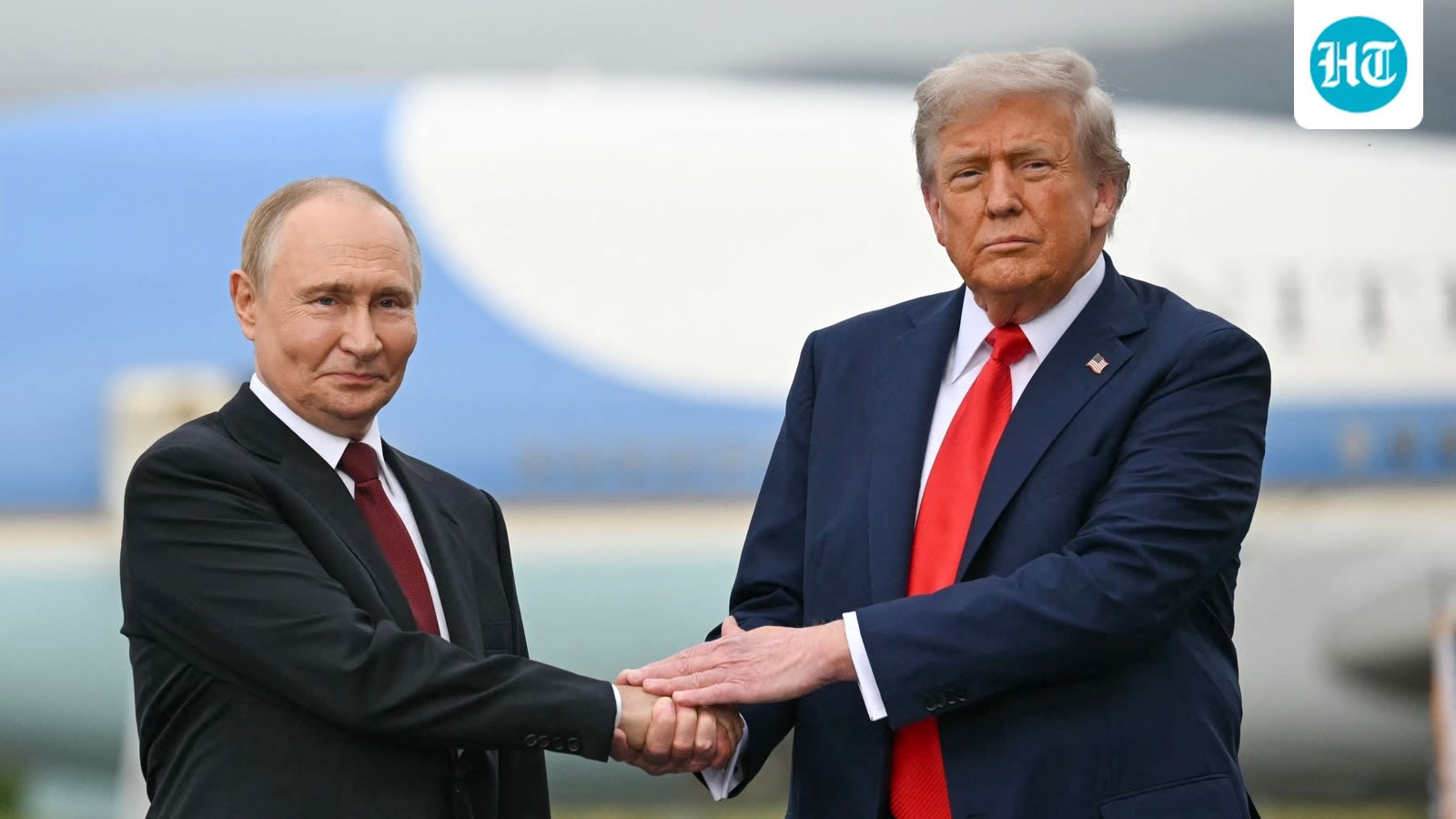
President Trump has reached a deal with Vladimir Putin to import Russian diesel, aiming to lower energy prices before midterm elections. The US Treasury has issued a temporary license allowing these purchases until April 2027 to stabilize global supply.
The Strategic Pivot: US-Russia Diesel Agreement
In a significant shift in geopolitical and energy policy, President Donald Trump has announced a major agreement with Russian President Vladimir Putin to supply millions of tons of Russian diesel to global markets. This development, facilitated by a direct communication between the two leaders, marks a departure from existing restrictive measures, with the U.S. Treasury issuing a temporary general license to permit the purchase of Russian diesel until April 7, 2027.
Addressing Global Supply Constraints
The necessity for this deal stems from a critical tightening of global fuel supplies. Recent military actions, including the targeting of Russian refineries by Ukraine and attacks on Middle Eastern energy infrastructure by Iran and Houthi forces, have severely constrained the availability of diesel. These disruptions have led to surging fuel prices worldwide, creating an urgent need for the administration to find reliable supply channels to mitigate inflationary pressures.
The Mechanics of the Supply Deal
The agreement is structured as a phased delivery schedule. Russia is expected to immediately supply over 300,000 tons of diesel, with subsequent tranches of 500,000 tons in November and 1 million tons shortly thereafter. A further 3 million tons are contingent upon the functional capacity of Russia's refineries. This influx of fuel is intended to provide immediate relief to the global energy market, which has been struggling with scarcity.
Political Implications and Midterm Pressures
Domestically, this move is deeply intertwined with the upcoming midterm elections. President Trump is facing substantial political pressure to address rising fuel costs, which have become a focal point of voter concern regarding inflation and general affordability. By securing this supply, the administration aims to stabilize domestic energy prices, hoping that a reduction in costs will improve the standing of the Republican party in a challenging electoral landscape.
Geopolitical Ramifications and Future Trends
This policy shift represents a complex balancing act between national energy security and the broader international stance on Russia. While the move provides a practical solution to short-term supply chain volatility, it also recalibrates the relationship between Washington and Moscow regarding energy hegemony. As the world watches to see if this influx of diesel successfully cools down prices, the long-term sustainability of this reliance on Russian production remains a subject of intense scrutiny.
Conclusion
Ultimately, the lifting of sanctions on Russian diesel underscores the administration's prioritization of domestic economic stability in the face of global supply chain disruptions. Whether this strategy will yield the intended political and economic benefits remains to be seen, as the administration navigates the delicate intersection of foreign policy, energy independence, and electoral strategy.
Multiple Citing Sources
Verification Required?