Anti-CEC protest: What happened moments before CJP leaders were detained inside AI 2428
Source Entity
India Latest News: Top National Headlines Today & Breaking News | The Hindu
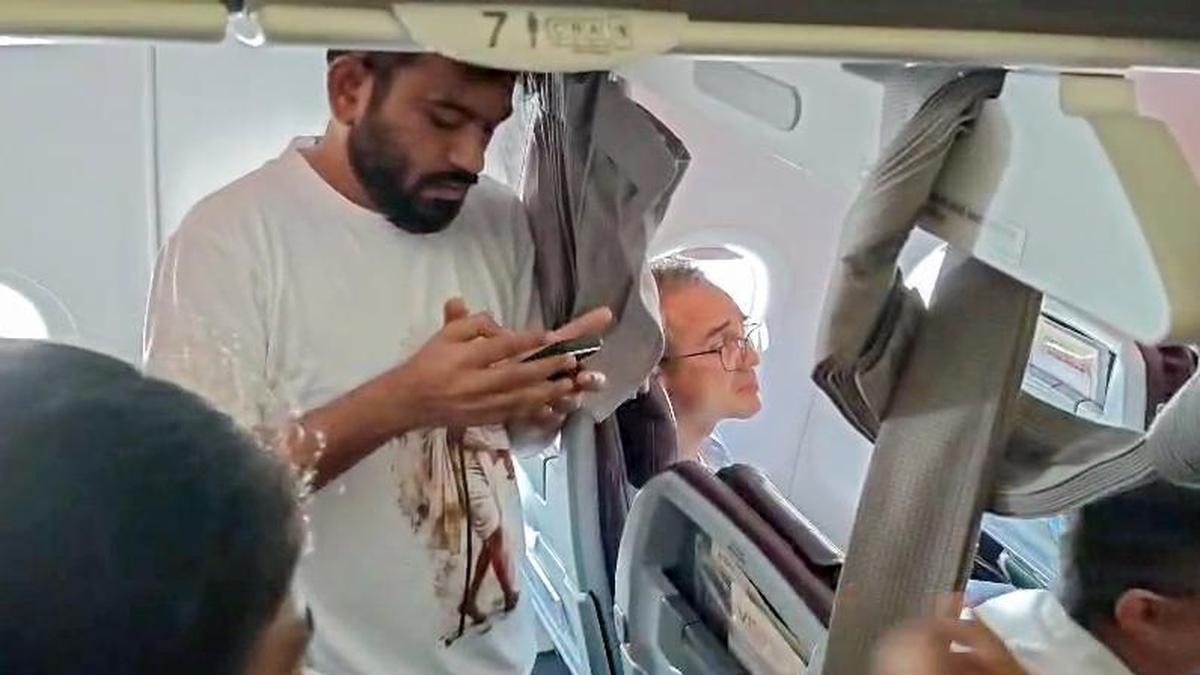
YouTuber Dhruv Rathee was released by Gurugram police following his detention amidst widespread protests demanding the resignation of the Chief Election Commissioner. Authorities implemented strict security measures and transit restrictions in Delhi, which led to significant rail disruptions that are now being normalized.
Detention and Release of Dhruv Rathee Amidst Delhi Protests
The recent detention of prominent YouTuber Dhruv Rathee by Gurugram police has drawn significant attention to the heightened tensions surrounding the Cockroach Janata Party (CJP) protest in Delhi. Rathee was taken into custody from his residence in Sector 56, Gurugram, during the early hours of Saturday. His detention was part of a larger, coordinated effort by law enforcement to manage a massive influx of activists, opposition leaders, and social media figures converging on the capital.
The Scope of Security Measures
The scale of the police response was unprecedented, with reports indicating that over 6,000 individuals were detained as authorities sought to preemptively neutralize the gathering. The protest, which focused on demands for the resignation of Chief Election Commissioner Gyanesh Kumar, saw security forces implementing a wide net across New Delhi. Strategic locations, including Janpath and Ashoka Road, were cordoned off, and security personnel equipped with tear gas munitions were deployed to maintain order at key transit points like Jantar Mantar.
Impact on Regional Connectivity
The civil unrest extended beyond the immediate protest site, causing significant logistical disruptions across the National Capital Region (NCR). Northern Railway reported substantial congestion, leading to the cancellation of numerous passenger trains. The normalization process began on Sunday, with the Northern Railway confirming the restoration of 214 passenger train services. Despite this, 30 trains remained cancelled as officials worked to clear the backlog and return to standard operating schedules.
Analytical Perspective on Public Dissent
The detention of high-profile influencers like Rathee highlights the evolving relationship between digital activism and state security apparatuses. In an era where social media figures can mobilize thousands, law enforcement agencies are increasingly adopting preemptive detention strategies to prevent large-scale demonstrations from paralyzing metropolitan hubs. This approach, while effective at maintaining immediate public order, raises complex questions regarding the balance between the right to protest and the necessity of state security.
Future Trends and Implications
As the situation normalizes, the focus shifts toward the long-term political implications of the protest. The demand for the resignation of the Chief Election Commissioner indicates a deep-seated friction between opposition forces and constitutional oversight bodies. Moving forward, observers should monitor how the government reconciles its security posture with the growing demand for civic engagement. The restoration of rail services signals a return to normalcy, yet the underlying grievances that drove thousands to the streets remain, suggesting that future protests may continue to test the limits of urban management and political discourse in India.
Multiple Citing Sources
Verification Required?