BJP: Musk must remember India's not a banana republic
Source Entity
TNN
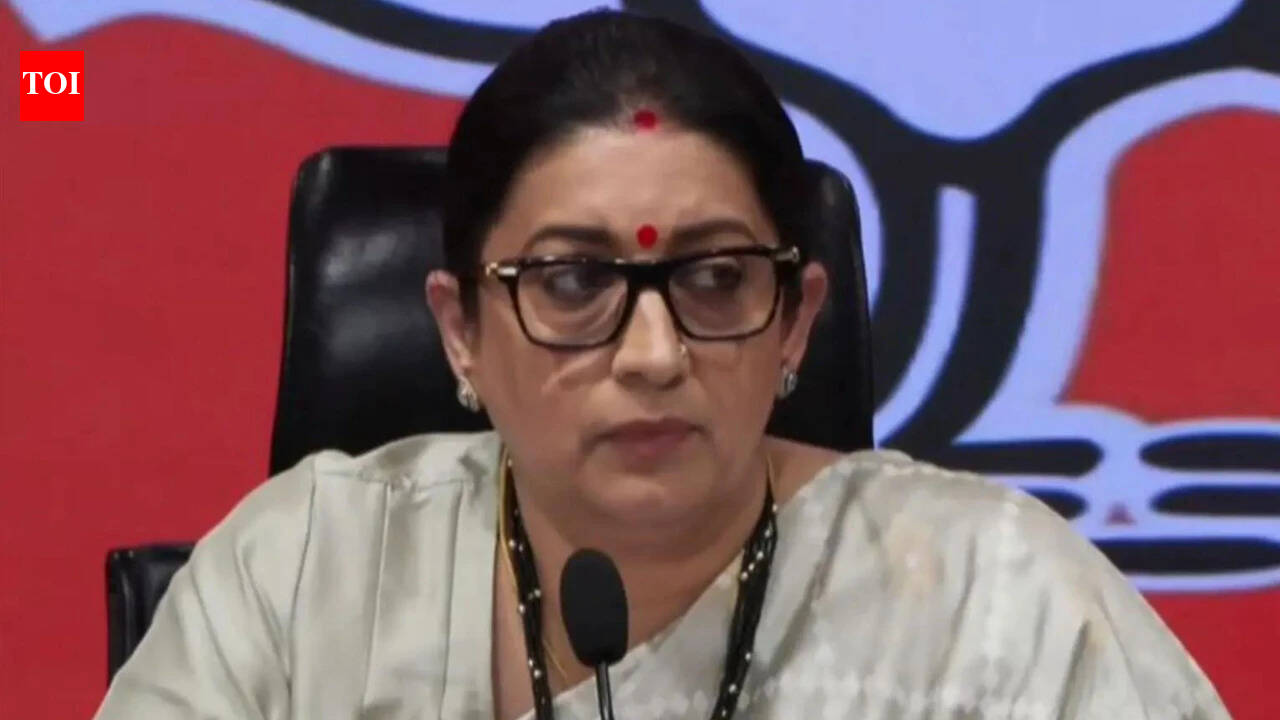
Indian political discourse has intensified with the BJP criticizing Elon Musk's remarks regarding India, while Congress leader Mallikarjun Kharge employed cinematic metaphors to attack the government. These exchanges reflect a broader tension between global corporate influence and domestic political sovereignty.
The Intersection of Global Tech and Indian Sovereignty
Recent political discourse in India has been marked by a sharp collision between global corporate figures and domestic political entities. The Bharatiya Janata Party (BJP) has issued a stern response to Elon Musk, emphasizing that India is not a 'banana republic,' a term often used to describe politically unstable countries with weak institutions. This rhetoric serves as a defense of India’s legislative independence, asserting that foreign entities, regardless of their market influence, must respect the regulatory framework and sovereignty of the Indian state.
The Role of Corporate Influence in National Policy
The tension is further highlighted by the satirical or controversial nature of recent digital commentary involving high-profile figures. The circulation of remarks addressing Prime Minister Narendra Modi as 'Prime Minister Ambani' indicates a growing trend of political critique that seeks to weaponize the perceived proximity between corporate conglomerates and the current administration. This narrative strategy is designed to question the neutrality of government policy and its alignment with private interests rather than the public mandate.
Opposition Tactics and Political Theater
The political opposition, led by Congress President Mallikarjun Kharge, has adopted a more theatrical approach to criticism. By utilizing a reference to the iconic Indian film Sholay—specifically the line 'Jo darta hai vo marta hai' (He who fears, dies)—Kharge is framing the current government's stance on the Election Commission (CEC) and other institutional issues as an act of cowardice or authoritarian overreach. This methodology of using pop-culture metaphors is a calculated attempt to make complex institutional debates more accessible and emotionally resonant with the electorate.
Institutional Integrity and Public Perception
At the heart of these controversies lies the question of institutional integrity. The anti-CEC (Chief Election Commissioner) stir mentioned in the reports suggests a deep-seated anxiety regarding the independence of India's democratic institutions. When political leaders frame these issues through the lens of fear and cinematic drama, it reflects a climate where the battleground for democracy has shifted from parliamentary debate to the court of public opinion and digital platform discourse.
Future Trends in Digital Political Warfare
As India approaches future electoral cycles, the interplay between international tech moguls like Musk and domestic political actors is likely to become more volatile. We can expect an increase in 'digital populism,' where political parties leverage social media to challenge or defend their narratives against global scrutiny. The BJP’s insistence on sovereignty indicates a policy trajectory that will likely prioritize domestic regulations over the demands of foreign tech giants, potentially leading to further friction in the digital space.
Conclusion
Ultimately, these events underscore the complex reality of 21st-century governance. Whether it is a clash with a global billionaire or a domestic debate over the sanctity of election oversight, the common thread is the struggle for control over the national narrative. As political actors continue to refine their rhetoric, the public must navigate an increasingly polarized environment where international commentary and domestic political theater are inextricably linked.
Multiple Citing Sources