Delhi rail operations moving towards normalcy; no further train cancellations, says Northern Railway
Source Entity
Express Web Desk
YouTuber Dhruv Rathee was released after being detained during a massive crackdown on a protest demanding the resignation of the Chief Election Commissioner. Authorities implemented widespread security measures and travel restrictions, which have since begun to normalize with the restoration of Northern Railway services.
Tensions Erupt Over Election Commission Protests
The recent detention of prominent YouTuber Dhruv Rathee from his residence in Gurugram’s Sector 56 marks a significant escalation in the ongoing political friction surrounding the Cockroach Janata Party (CJP) protest. Rathee’s apprehension by three Crime Branch teams at 6 a.m. Saturday was part of a larger, coordinated effort by law enforcement to preemptively manage crowds ahead of a planned demonstration in central Delhi. This event highlights the growing intersection of digital activism and traditional political assembly in the national capital region.
Security Crackdown and Crowd Control
The scale of the police response was unprecedented, with over 6,000 individuals—ranging from opposition leaders and activists to social media influencers—being detained. Security forces established a wide net across New Delhi, effectively paralyzing movement near key transit corridors like Janpath and Ashoka Road. The presence of personnel equipped with tear gas munitions underscores the high-security alert status maintained by authorities to prevent the protest from gaining momentum at the Jantar Mantar site.
The Impact on Public Infrastructure
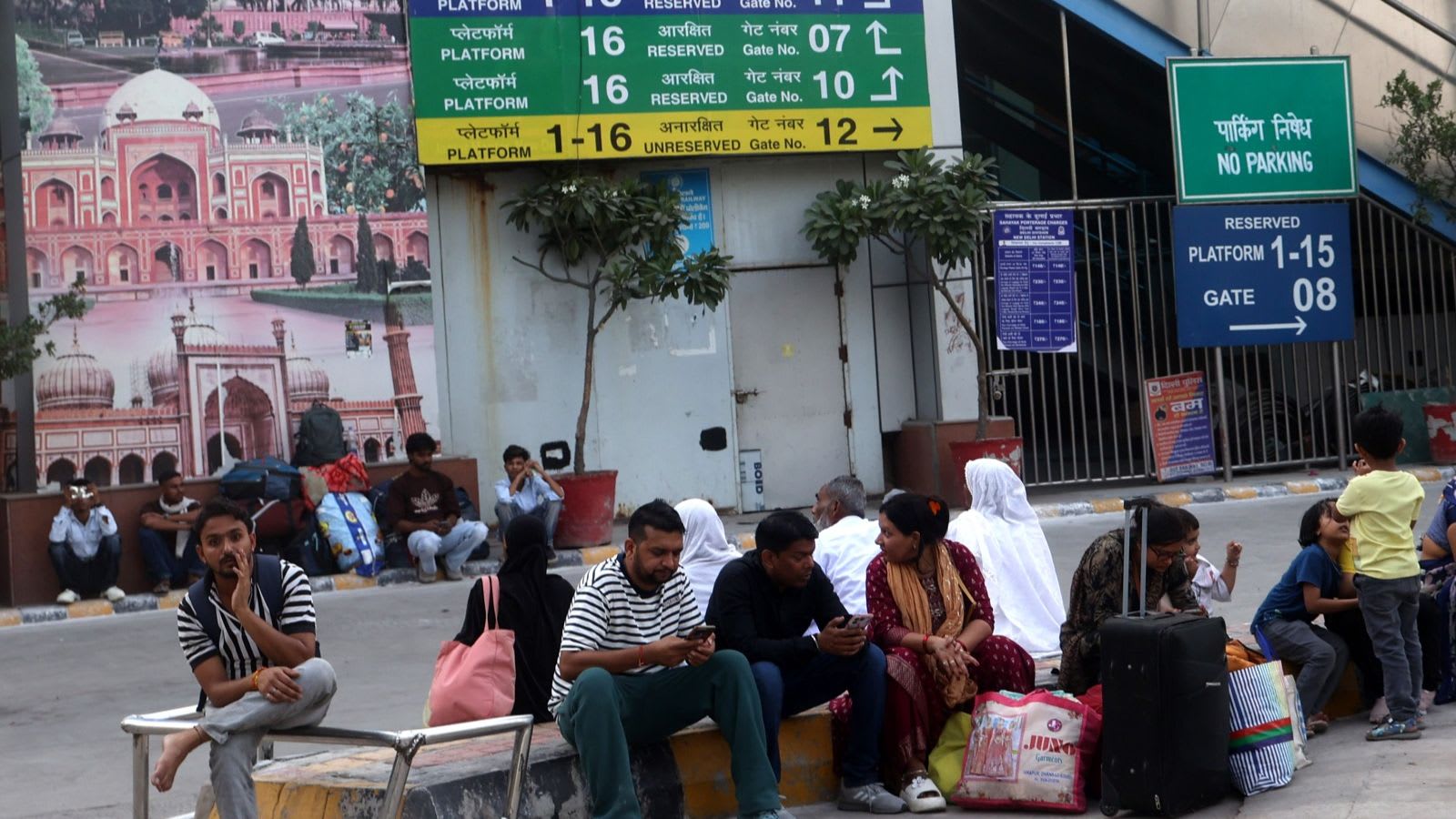
Beyond individual detentions, the protest caused significant disruptions to public infrastructure. The Northern Railway faced substantial logistical challenges due to traffic congestion in the Delhi area, forcing the cancellation of numerous passenger trains to ensure operational safety. This ripple effect impacted thousands of commuters traveling between Delhi and the NCR regions, such as Gurugram and Faridabad, illustrating how political unrest can rapidly destabilize vital public services.
Restoration of Services and Normalization
Following the weekend’s intense security operations, the situation has begun to stabilize. Northern Railway announced the restoration of 214 passenger train services, signaling a move toward normalcy. However, the fact that 30 trains remain cancelled serves as a lingering reminder of the logistical strain caused by the protests and the subsequent police clampdown.
Broader Political Implications
At the heart of these events is a specific demand for the resignation of Chief Election Commissioner Gyanesh Kumar. The involvement of diverse groups, including high-profile digital creators, suggests a widening coalition of dissent. As authorities continue to monitor the situation, the release of individuals like Rathee in the early hours of Sunday suggests a transition from active suppression to a period of monitoring, though the underlying political demands remain unresolved.
Conclusion
The events of the past few days represent a critical juncture in the relationship between the state and those demanding institutional accountability. While the physical barricades are being removed and transit lines restored, the underlying tensions surrounding the Election Commission remain a focal point for future political discourse. The ability of the state to manage such large-scale dissent while maintaining public order will continue to be a subject of intense scrutiny.
Multiple Citing Sources